
India’s solar agri-feeders are redefining rural electricity supply by delivering reliable daytime power through decentralized solar generation.
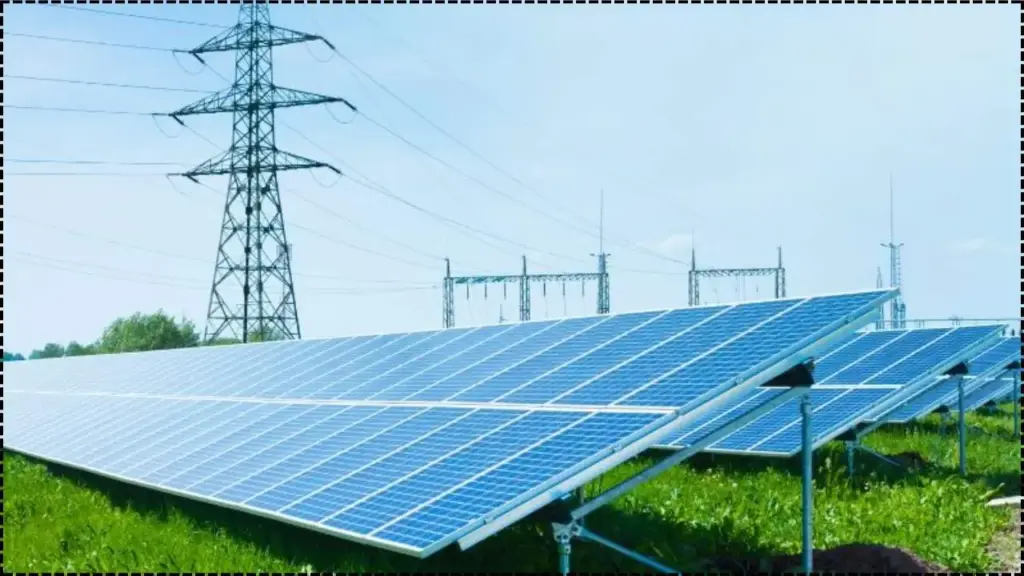
Supported by government programs such as PM-KUSUM, these systems aim to reduce subsidy burdens, improve agricultural productivity, and build a resilient, low-carbon energy grid across rural regions.
Solar Agri-Feeders
| Key Area | Before Solar Feeders | After Solar Feeders |
|---|---|---|
| Power Supply | Night-time, unreliable | Daytime, reliable |
| Cost to State | High subsidies | Reduced subsidy burden |
| Farmer Expense | Diesel + grid costs | Lower operating cost |
| Emissions | High (diesel use) | Low (solar-based) |
| Productivity | Limited irrigation | Improved yields |
Solar agri-feeders are transforming India’s rural electricity landscape by aligning energy supply with agricultural demand. As the country expands its decentralized energy grid, these systems are expected to play a central role in improving productivity, reducing costs, and advancing sustainability.
The long-term success of this model will depend on effective implementation, technological integration, and continued policy support.
Solar Agri-Feeders Driving India’s Decentralized Energy Grid
Solar agri-feeders represent a major shift from centralized electricity systems to localized renewable energy networks. These systems generate solar power near agricultural demand centers and supply it directly to farmers through dedicated feeders.
This approach addresses long-standing inefficiencies in India’s rural power supply. Traditionally, electricity for agriculture was supplied at night due to grid constraints, leading to operational challenges and safety concerns. Solar feeders align energy supply with daytime irrigation needs, improving both efficiency and usability.
Policy Framework and Institutional Support
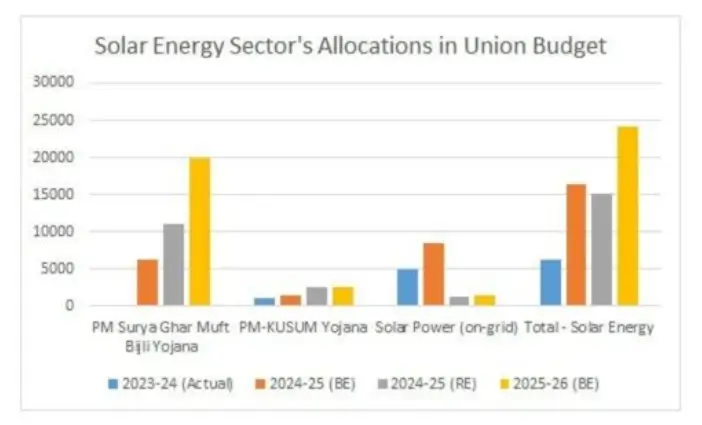
The transformation is anchored in the PM-KUSUM scheme, which promotes solarization of agriculture.
Core Policy Features
- Financial support from central and state governments.
- Incentives for decentralized solar plants.
- Opportunities for farmers to generate income.
Experts note that the scheme is designed not just for electrification but for structural reform of rural energy systems.
How Solar Agri-Feeders Work
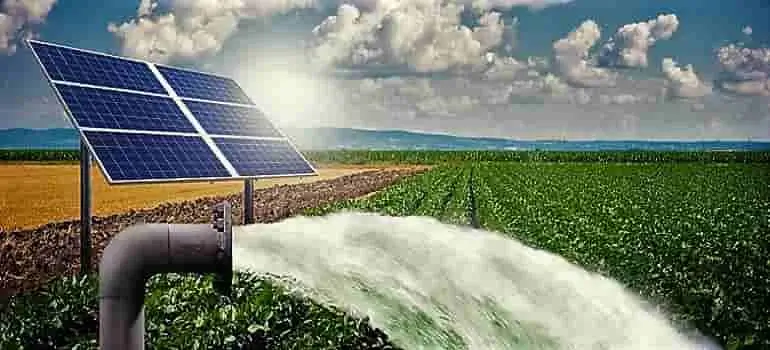
Solar agri-feeders operate through a hybrid decentralized model:
- Solar plants generate electricity near rural substations.
- Power is transmitted via dedicated agricultural feeders.
- Farmers receive reliable daytime electricity.
- Surplus energy is fed into the grid.
This model reduces transmission losses and enhances grid efficiency.
Financial Model: Costs, Savings, and Payback
Investment Structure
- Capital expenditure shared between government and private developers.
- Subsidies reduce upfront costs.
- Long-term power purchase agreements ensure returns.
Estimated Economics
- Solar power cost: ₹3–4 per unit.
- Conventional power: ₹6–7 per unit.
Payback Period
Industry estimates suggest a 5–7 year payback cycle, after which systems generate net savings.
Stakeholder Perspectives
Farmers
Farmers benefit from:
- Reliable irrigation schedules.
- Reduced diesel dependency.
- Lower operating costs.
DISCOMs (Power Utilities)
Distribution companies gain:
- Reduced subsidy burden.
- Improved grid stability.
- Lower transmission losses.
Policy Experts
Energy analysts emphasize that solar feeders are a “win-win model”, improving both financial and environmental outcomes.
Impact on Agricultural Productivity
Reliable electricity enables:
- Better crop cycles.
- Efficient water use.
- Increased farm income.
In several pilot regions, productivity improvements have been directly linked to daytime power availability.
Technological Backbone
Solar agri-feeders are supported by:
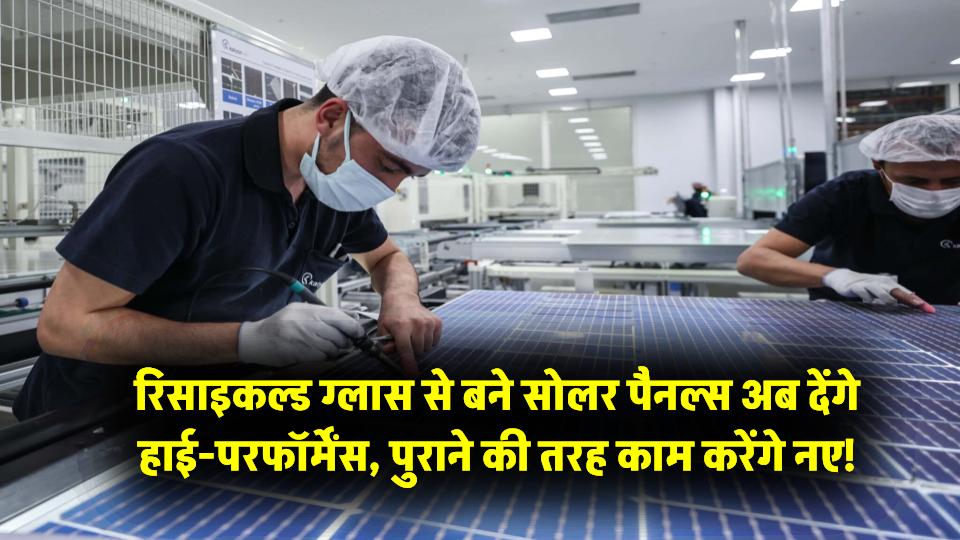
- Smart grid systems for real-time monitoring.
- Battery storage for load balancing.
- Advanced inverters for voltage control.
- Agrivoltaics, combining farming and solar generation.
These technologies are critical for scaling decentralized energy networks.
Case Studies: State-Level Implementation
Maharashtra
- Large-scale feeder solarization.
- Significant cost savings for utilities.
- Improved irrigation reliability.
Karnataka
- Solar plants powering thousands of pumps.
- Reduced reliance on grid power.
Rajasthan
- Rapid expansion of decentralized solar capacity.
- Strong policy support and adoption.
Environmental and Social Benefits
Environmental
- Reduced greenhouse gas emissions.
- Lower fossil fuel dependence.
Social
- Safer irrigation practices.
- Job creation in rural areas.
- Increased income opportunities.
Risks and Unintended Consequences
While benefits are clear, some risks remain:
Groundwater Overuse
Reliable power may lead to excessive water extraction unless regulated.
Solar Curtailment
Excess generation during low demand periods may go unused.
Grid Instability
High solar penetration requires advanced grid management systems. Experts stress the need for policy safeguards and monitoring mechanisms.
Governance and Monitoring
Effective implementation depends on:
- Real-time monitoring systems.
- DISCOM coordination.
- Transparent tariff structures.
- Data-driven decision-making.
Digital tools are increasingly being used to track performance and optimize operations.
Global Comparison
India’s solar agri-feeder model is gaining international attention.
Comparison with Other Regions
- Africa: Microgrids for rural electrification.
- China: Large-scale solar farming integration.
- Southeast Asia: Hybrid decentralized systems.
India’s approach stands out for integrating agriculture, energy, and policy into a unified framework.
Related Links
Goodbye LPG? How New Solar-Powered Electric Stoves are Revolutionizing Indian Kitchens
FIIs Buy the Dip in Suzlon: Foreign Stakes Rise to 22.42% Despite Massive Market Outflows
Future Outlook and Targets
India aims to:
- Expand solar feeder coverage nationwide.
- Achieve large-scale renewable capacity growth.
- Strengthen decentralized grid systems.
Experts highlight that the next phase will depend on execution efficiency and financing innovation.
FAQs
What are solar agri-feeders?
They are solar-powered electricity distribution systems dedicated to agricultural use.
Why are they important?
They provide reliable daytime electricity and reduce costs for farmers and governments.
Do farmers earn from them?
Yes, in some models, farmers can sell surplus electricity.
What are the challenges?
Grid integration, financing, and land availability remain key issues.