
As solar power becomes a dominant source of renewable energy, energy storage has become a key challenge in ensuring that this clean power is available when the sun isn’t shining. Among the leading storage solutions are batteries and hydrogen—each offering distinct advantages and challenges.
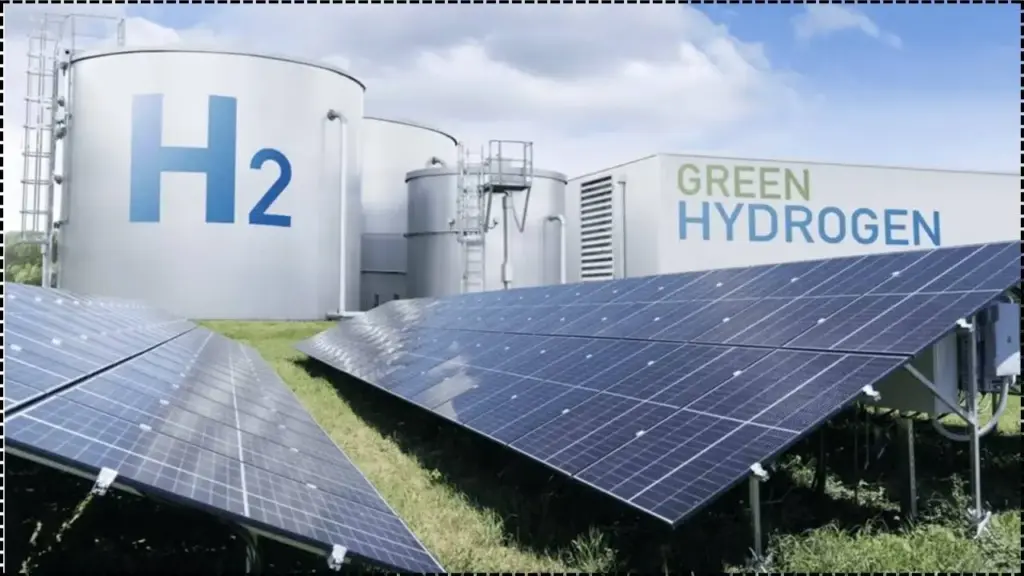
Recent developments have brought about the question: Is it finally cheaper to store solar energy as hydrogen gas than in batteries?
This article examines the evolving economics of these two technologies, focusing on costs, efficiencies, use cases, and technological innovations, to help you understand which solution is better for the future of solar energy storage.
1. The Storage Dilemma: Batteries vs. Hydrogen
Energy storage systems are essential for solar power, which is intermittent and cannot be used directly when production exceeds demand. The two main contenders in this space are batteries and hydrogen storage. Both technologies are central to the ongoing renewable energy transition, but they differ significantly in terms of efficiency, costs, and scalability.
Battery Storage
Battery storage systems, especially lithium-ion batteries, have seen dramatic cost reductions in recent years. They offer high efficiency (typically around 80-90%), making them a reliable solution for short-term energy storage. Batteries are widely used for residential and commercial applications where energy needs to be stored for a few hours or overnight.
Hydrogen Storage
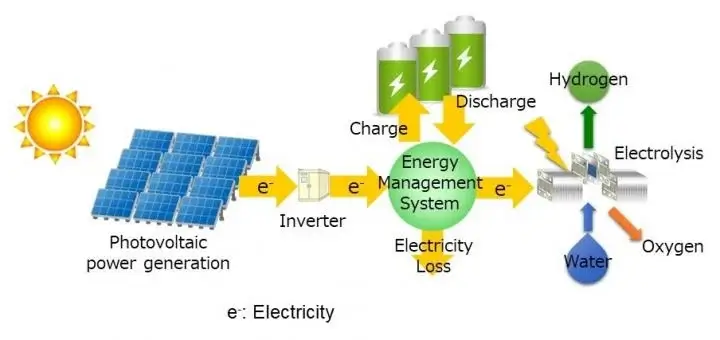
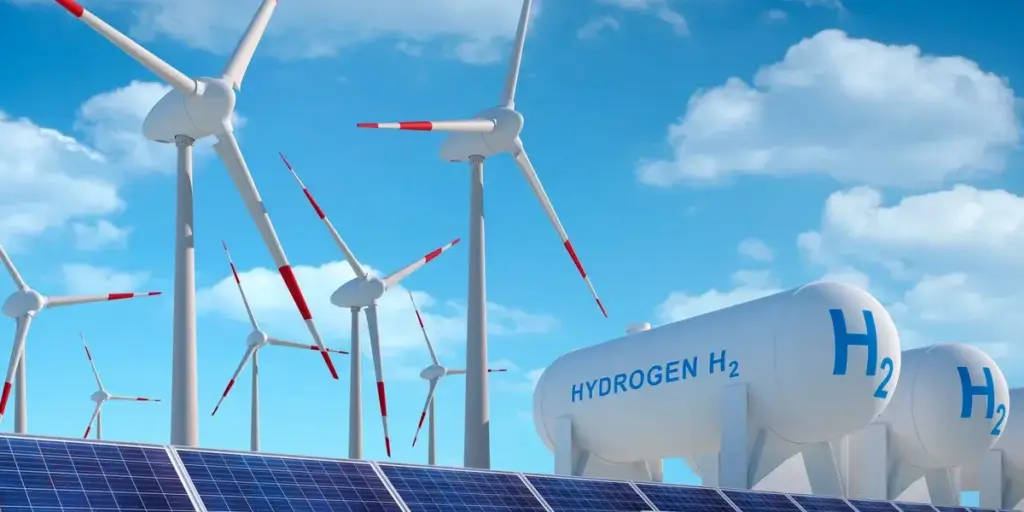
Hydrogen storage, achieved through electrolysis, is a process where water is split into hydrogen and oxygen using electricity. The hydrogen produced can then be stored and used as fuel or converted back into electricity using a fuel cell or turbine.
While hydrogen storage is much less efficient (around 30-45% round-trip efficiency), it has a significant advantage for long-term and large-scale storage, especially where energy must be stored for long durations (days, weeks, or even months).
2. The Economics of Energy Storage: Cost Breakdown
When comparing the cost-effectiveness of battery storage versus hydrogen storage, both the initial investment and operating costs come into play. This includes factors such as capital expenditure, efficiency losses, and maintenance costs.
Battery Storage Costs
Battery systems, particularly lithium-ion batteries, have dramatically dropped in price, making them more affordable for short-duration storage. As of 2023, the cost of lithium-ion batteries is approximately $130 per kWh.
These low costs have made batteries a popular choice for residential, commercial, and even some utility-scale applications. However, batteries still face challenges related to degradation over time, where their capacity diminishes after multiple charge cycles.
Hydrogen Storage Costs
Hydrogen storage, while offering long-duration storage capabilities, has a higher initial capital cost due to the need for electrolyzers, compression equipment, and storage tanks. The levelized cost of hydrogen (LCOH) can vary, but it is generally more expensive than battery storage, especially for small-scale applications.
However, when scaled for large utility applications, hydrogen can become a more competitive option. Estimates suggest that hydrogen storage could have a cost per kWh of ~€0.20-0.28 when fully optimized and deployed at scale.

3. Efficiency vs. Use Case: Batteries vs. Hydrogen
One of the key differences between batteries and hydrogen storage is their efficiency and suitability for different time scales of energy storage.
| Feature | Battery Storage | Hydrogen Storage |
|---|---|---|
| Round-trip Efficiency | 80-90% | 30-45% |
| Best for | Short-duration (hours to a day) | Long-duration (days to months) |
| Infrastructure Maturity | High | Growing |
| Cost per Stored kWh | Lower for short periods | Lower at large scale |
| Scalability | Limited by cost | Very scalable |
While batteries are ideal for storing energy for a few hours, hydrogen is more suited to applications that require longer storage durations. This makes hydrogen storage more cost-competitive for seasonal storage, where batteries are simply not viable due to size constraints and costs.
4. Technological Innovations: The Future of Storage Technologies
Advancements in Battery Technologies
Battery technology continues to evolve with innovations such as solid-state batteries that promise higher energy density, longer lifespans, and improved safety. Research into sodium-ion batteries, which use more abundant and cheaper materials, could also offer a cheaper alternative to lithium-ion in the coming years.
Next-Generation Electrolyzers
In the hydrogen sector, electrolyzers have become more efficient, with the latest models achieving higher hydrogen output at a lower cost. Emerging technologies like high-temperature electrolysis (HTE) and proton exchange membrane electrolysis (PEM) could further reduce the cost and increase the efficiency of hydrogen production, making it more competitive with batteries.
5. Environmental Impact: A Comparison of Footprints
Both batteries and hydrogen come with environmental trade-offs. The production of lithium-ion batteries requires the extraction of lithium, cobalt, and other rare-earth metals, which can be environmentally damaging and associated with ethical concerns.
In contrast, hydrogen production via electrolysis requires a substantial amount of energy, but if powered by renewable sources (i.e., green hydrogen), its environmental footprint can be significantly lower.
The environmental impact of hydrogen storage largely depends on the renewable energy used for electrolysis and the sustainability of hydrogen storage infrastructure.
6. Global and Policy Trends: Government Support and Subsidies
Around the world, governments are incentivizing both batteries and hydrogen technologies as part of their strategies to decarbonize their energy sectors. For instance:

- The European Union has committed to large-scale green hydrogen production as part of its Green Deal, offering substantial funding for hydrogen research and infrastructure.
- The U.S. has introduced tax credits and other incentives for battery storage and hydrogen production, with specific attention to green hydrogen as part of the Bipartisan Infrastructure Bill.
These policies are expected to help reduce costs for both technologies, potentially tipping the scales toward hydrogen as long-term storage becomes more necessary.
7. Case Studies and Real-World Applications
California: Battery Storage at Scale
California has been a leader in adopting battery storage solutions, deploying thousands of megawatt-hours of batteries to balance grid fluctuations and integrate solar power into the state’s energy mix. These systems are already proving successful at reducing grid strain and enabling solar energy use during peak hours.
Germany: Hydrogen for Long-Term Storage
Germany, a leader in green hydrogen, has invested heavily in hydrogen storage projects, such as the HyUnder project, which explores underground hydrogen storage as a means of seasonal energy storage.
This demonstrates hydrogen’s potential for meeting long-duration storage needs in regions with high solar or wind generation.
Related Links
The Solar Waste Crisis 2026: New Regulations for Mandatory “End-of-Life” Panel Recycling
Water into Fuel: How India’s National Green Hydrogen Mission is Powered by Mega Solar Parks
Hydrogen vs. Batteries—The Future of Solar Storage
The decision between battery storage and hydrogen storage depends largely on the time scale of energy storage and the economic and environmental context. For short-term energy storage, batteries remain the more cost-effective and efficient option.
However, for long-term storage or large-scale, seasonal energy storage, hydrogen has the potential to offer a more economically viable solution, especially as technology improves and costs continue to fall.