Second-life batteries are gaining recognition as a vital part of the renewable energy future, particularly in home solar storage systems.
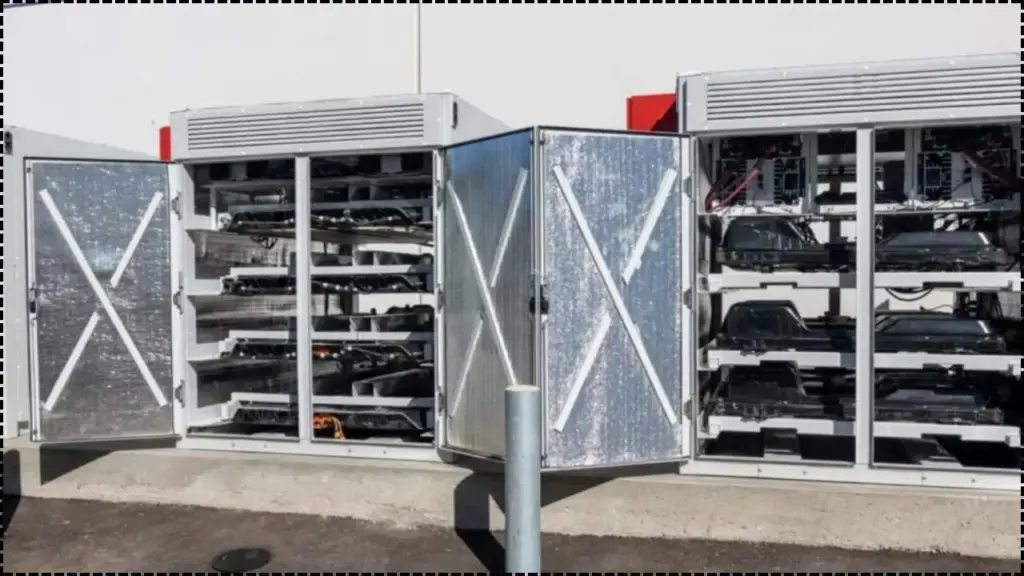
By repurposing electric vehicle (EV) batteries that are nearing the end of their automotive life, these batteries—often still holding up to 70–80% of their original capacity—are being used to store solar energy, making renewable storage solutions more affordable and sustainable. This shift helps power homes, reduces reliance on the grid, and significantly cuts down on waste.
Second-Life Batteries
| Key Fact | Detail | Significance |
|---|---|---|
| Remaining capacity | 70–80% after EV use | Suitable for stationary storage |
| Cost savings | 30–70% cheaper than new batteries | Makes solar storage more affordable |
| Extended lifespan | 10–15 years additional use | Reduces battery waste and maximizes resources |
| Market growth | Projected $1B+ by 2035 | Driven by the EV boom and need for energy storage |
What Are Second-Life Batteries?
Second-life batteries are lithium-ion batteries that have reached the end of their automotive life but still retain significant usable capacity. Most electric vehicle (EV) batteries are replaced when their performance drops below automotive standards, but these batteries often still function effectively in less demanding applications.
Research shows that these batteries often retain 70–80% of their original capacity, which makes them perfect for use in stationary energy storage solutions like home solar systems.
Repurposing these batteries helps mitigate waste, reduces the need for new raw materials, and contributes to the circular economy by extending the useful life of EV batteries.
How Second-Life Batteries Work in Home Solar Systems
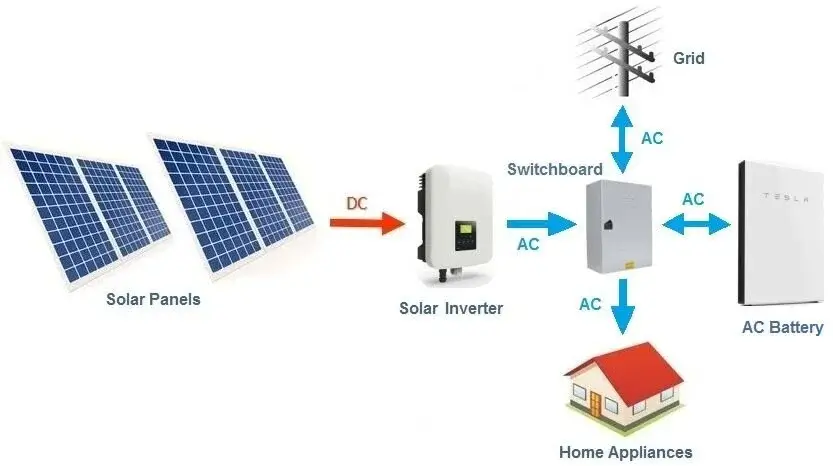
Second-life batteries are integrated into residential solar systems to store excess electricity generated during the day.
Operational Flow
- Solar panels generate electricity.
- Excess power is stored in the battery.
- Stored energy is used at night or during outages.
This storage solution helps homeowners become less reliant on the grid, use more renewable energy, and save on their electricity bills. Since stationary storage is less demanding than EV driving, second-life batteries can often continue functioning for an additional 10–15 years.
EV Battery Lifecycle
This lifecycle extension allows for greater environmental efficiency, as it delays the recycling process and reduces the environmental impact associated with producing new batteries.
Environmental Impact and Sustainability
Second-life batteries offer significant environmental benefits:
- Reduction in electronic waste: They help minimize the amount of discarded batteries, which would otherwise be sent to landfills.
- Lower demand for new raw materials: Reusing these batteries reduces the need for mining critical minerals like lithium, cobalt, and nickel.
- Decreased carbon emissions: Studies show that using second-life batteries in energy storage can significantly lower emissions when compared to manufacturing new batteries.
Research into battery reuse for energy storage systems reveals that second-life applications can reduce emissions by up to 450 tonnes of CO2 per MWh compared to using new batteries for similar applications.
Economic Advantages for Homeowners
Second-life batteries are cost-effective solutions for energy storage:
- Lower initial cost: Second-life batteries are often 30–70% cheaper than new lithium-ion systems, making them an affordable option for homeowners.
- Reduced energy bills: Storing excess solar energy in these batteries allows homeowners to rely on their own power during off-peak hours.
- Decreased total cost of ownership: These batteries have a longer life when used for stationary storage, thus improving overall return on investment.
Market Growth and Industry Trends
The second-life battery market is expanding rapidly, driven by:
- Increasing EV adoption: As millions of electric vehicles reach end-of-life, the number of available second-life batteries is set to soar.
- Growing demand for renewable energy: With solar and wind power adoption on the rise, the need for affordable energy storage solutions is intensifying.
- Rising energy costs: Homeowners are looking for more affordable alternatives to high electricity bills.
The global market for second-life battery systems is projected to exceed $1 billion by 2035, fueled by the increasing adoption of electric vehicles and the demand for renewable energy storage solutions.
Real-World Applications
Second-life batteries are already being used in various applications around the world:
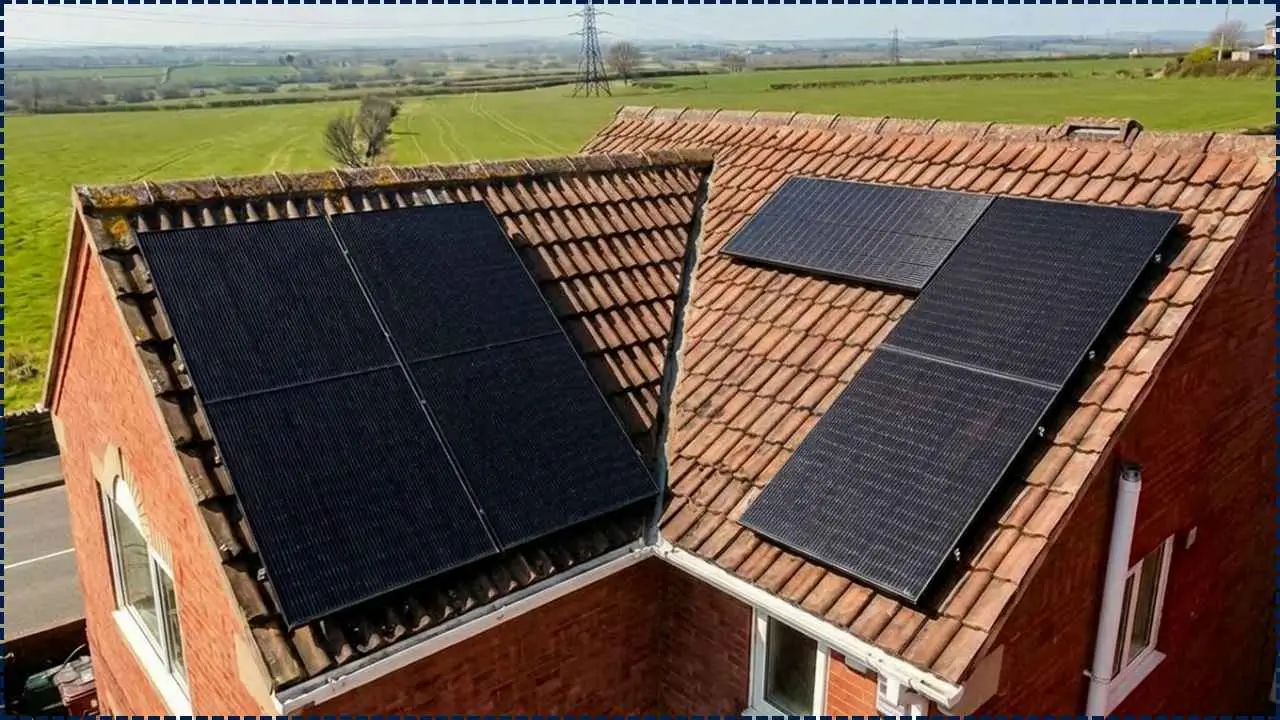
- Residential solar storage: Batteries are integrated with solar panels in homes to store excess energy.
- Backup power: Repurposed EV batteries can be used as backup power during outages.
- Off-grid energy systems: Rural areas and remote locations benefit from repurposed EV batteries for off-grid applications.
Projects in regions like California and Australia have demonstrated the feasibility of these systems in reducing energy costs and increasing energy independence.
Challenges and Safety Considerations
Despite their benefits, second-life batteries have several challenges:
Technical Issues
- Battery variability: The state of health (SoH) of second-life batteries can vary significantly depending on the original use.
- Integration complexity: Retrofitting batteries for stationary use requires specialized technology and integration.
- Battery management systems (BMS): Older batteries may require extensive reworking of their management systems to ensure safety and efficiency.
Safety Risks
- Overheating and thermal runaway: Though rare, the potential for battery failure exists if not properly managed.
- Uncertified performance: Batteries that have been used in cars may not meet the stringent demands of stationary storage without recertification.
Safety experts emphasize the importance of robust testing and certification to ensure safe and reliable use in home solar systems.
Regulatory Landscape and Policy Gaps
Although the use of second-life batteries is growing, the regulatory framework remains immature. There is currently no universal set of standards governing their use in energy storage systems.
- Lack of standardization: Policies and certifications vary widely across regions, hindering widespread adoption.
- Emerging regulations: Countries like the U.S., EU members, and China are beginning to develop regulations that address battery recycling, reuse, and safety, though more work remains.
For second-life batteries to become a widespread solution, industry experts stress that global harmonization of standards is essential to ensure safety and reliability.
Role in Energy Transition and Grid Stability
Repurposed batteries offer a promising solution to stabilize power grids.
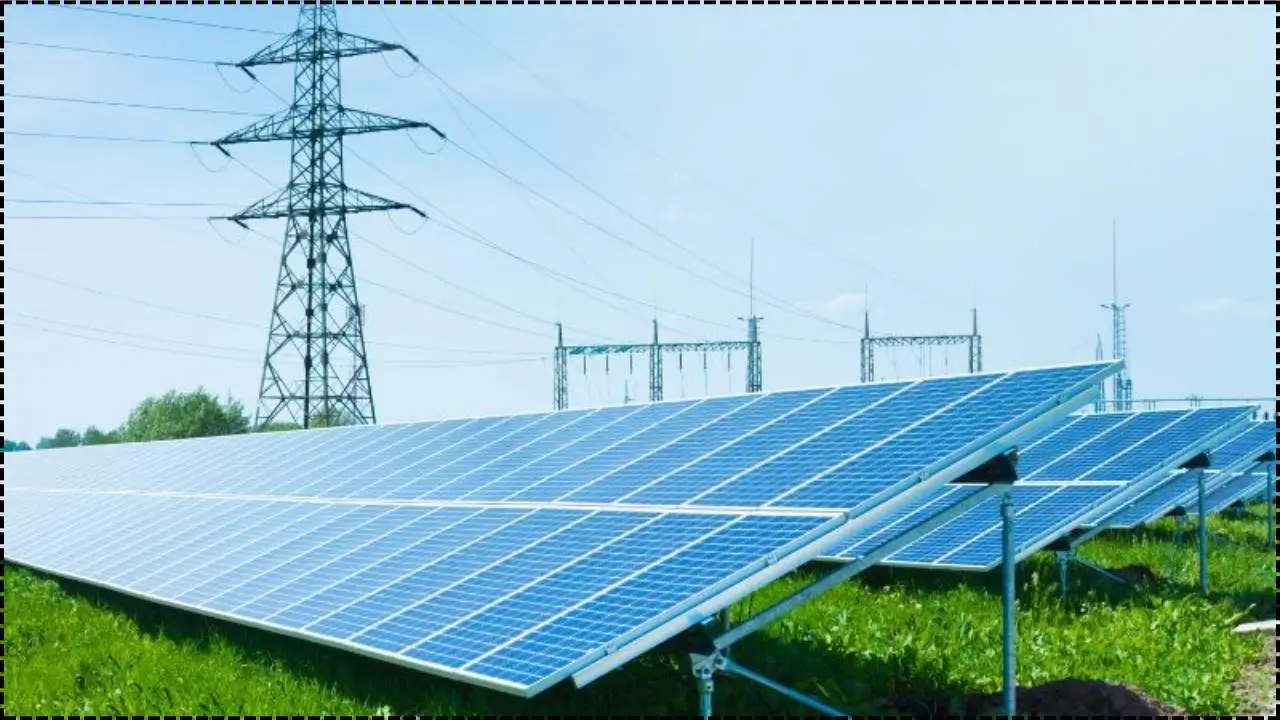
Solar Agri-Feeders: Transforming Rural Power Supply: A Report on India's Decentralized Energy Grid
Benefits include
- Grid resilience: Storing solar and wind energy during peak production periods helps balance supply and demand, reducing reliance on fossil fuels.
- Decreased grid congestion: Second-life batteries can be deployed in areas where grid infrastructure is strained, supporting energy stability.
- Decentralized power systems: Communities and off-grid areas can benefit from repurposed batteries as an alternative to traditional energy grids.
Expert Perspectives
Dr. Emily Davis, an energy analyst at Energy Future Group, states, “Repurposing EV batteries for stationary energy storage is a win-win—it extends the life of these batteries while helping to meet energy storage needs in a more affordable and sustainable manner.”
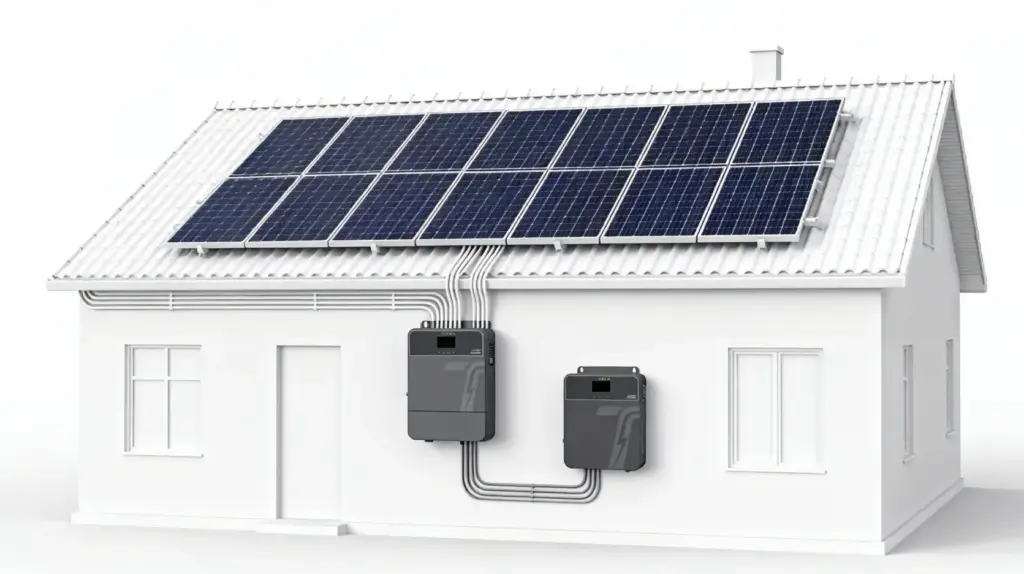
Future Outlook: Scaling the Second-Life Ecosystem
As the demand for energy storage grows, second-life batteries are expected to play a key role in the future of sustainable energy. In the coming decade:
- Battery technology will continue to improve, reducing costs and increasing performance.
- Standardization will enhance consumer confidence and ensure safer deployments.
- Partnerships between car manufacturers, energy providers, and battery manufacturers will help scale the second-life battery market.
Related Links
Solar-to-Hydrogen ROI: Is it Finally Cheaper to Store Energy as Gas than in Batteries?
Electrolyzer Incentives: Decoding the ₹4,440 Crore Push for India’s Green Hydrogen Ecosystem
Second-life batteries offer a promising, cost-effective solution for residential solar storage, contributing to a more sustainable and affordable energy future. While challenges remain, particularly in terms of regulation and standardization, continued innovation and policy development are expected to accelerate adoption in the coming years.
FAQs
What are second-life batteries?
These are used EV batteries repurposed for energy storage once they can no longer meet the demanding needs of electric vehicles.
How long do second-life batteries last?
They can function for an additional 10–15 years in stationary applications like solar storage systems.
Are second-life batteries safe to use?
Yes, when properly tested and managed with advanced battery management systems, they are safe for use in home solar systems.