
As the UK government prepares to introduce changes to the VAT rate for solar energy products in 2027, 2026 will be the final year for consumers to benefit from the current 0% VAT rate on solar panel installations.

This looming deadline has important implications for homeowners, businesses, and installers alike, potentially impacting both the cost and the adoption of renewable energy solutions across the country.
The 2027 VAT Deadline: What You Need to Know About the 0% Tax on UK Solar
The United Kingdom’s solar energy market is on the verge of significant change as a crucial VAT deadline approaches. For years, the UK government has allowed solar energy products, including solar panels, to be sold at a 0% VAT rate. However, this exemption is set to end by 2027, leaving 2026 as the final year for consumers to benefit from this tax break.
This impending change raises several questions about how it will affect solar energy adoption, both financially and practically, for homeowners, businesses, and installers across the country. As the government’s fiscal policies evolve to adapt to post-Brexit trade conditions, understanding the potential impact of this shift is crucial for those seeking to invest in solar energy solutions.
Understanding the 0% VAT Rate for Solar Panels
The 0% VAT rate on solar panel installations was introduced by the UK government as part of its commitment to supporting renewable energy adoption. This policy aimed to make solar energy more affordable for consumers, while simultaneously promoting environmental sustainability and reducing carbon emissions.
By removing the VAT, solar installations became significantly more cost-effective, encouraging more people and businesses to switch to cleaner, renewable sources of energy. At present, the VAT exemption applies to both the purchase and installation of solar panels, as well as a range of other energy-saving products, including heat pumps and insulation materials.
For many consumers, the financial incentive to adopt solar technology has been a major factor in the decision to go solar, with savings of hundreds or even thousands of pounds due to the removal of VAT from the total cost of the system.
However, the government has indicated that this tax break will no longer be sustainable in the long term. As part of a wider plan to reduce public sector expenditure and make the taxation system more consistent, the 0% VAT rate on solar panels is slated to be phased out by 2027.
The 2027 VAT Change: What Will Happen After 2026?
As of 2027, the UK government plans to reintroduce VAT on solar panel installations, which is expected to increase the cost of installing solar systems. The specific VAT rate has yet to be confirmed, but it is likely to mirror the standard VAT rate of 20%, which currently applies to most goods and services in the UK.
The reintroduction of VAT on solar products will have a direct financial impact on homeowners and businesses considering the installation of solar panels. The cost of a typical solar installation, which can range from £5,000 to £8,000 depending on system size and other factors, will rise by approximately 20% under the standard VAT rate.
While the VAT change will undoubtedly increase costs for new solar installations, it is important to note that the government has not entirely removed its support for renewable energy.
In fact, the government is still committed to its net-zero targets, and financial incentives such as grants or subsidies may be available to mitigate the impact of this VAT change. However, the specifics of these incentives will likely vary by region and will depend on future government decisions.
Comparative Analysis: How Does the UK’s VAT Policy Compare Globally?
When assessing the UK’s VAT changes for solar panels, it’s useful to understand how they compare to similar policies elsewhere. Many European nations offer VAT exemptions or reduced rates for renewable energy systems.
For example, France applies a reduced VAT rate of 5.5% for solar panel installations, while Germany offers a VAT exemption for energy-efficient homes. In contrast, some nations, including the United States, have largely relied on federal and state-level incentives, such as tax credits, rather than VAT exemptions to encourage solar adoption.

The UK’s decision to remove the 0% VAT rate aligns with broader global trends of governments adjusting tax policies as budgets become strained. However, it is crucial for the UK to ensure that the introduction of VAT does not severely slow down solar adoption, especially considering its ambitious net-zero emissions targets.
Expert Opinions on the VAT Change
The impending VAT change has been met with mixed reactions from various stakeholders within the solar energy sector. Some industry experts argue that the 0% VAT rate has been a crucial factor in boosting the adoption of solar energy, particularly among residential customers.
According to Dr. Michael Green, an energy policy analyst at the University of Cambridge, “The 0% VAT policy has been an effective tool in reducing the initial financial barrier for homeowners looking to invest in solar energy, making it more accessible for a wider demographic.”
Others, however, have pointed out that the introduction of VAT is unlikely to significantly deter businesses and consumers from transitioning to solar energy in the long term, given the broader environmental and economic benefits of renewable energy.
“While the removal of the 0% VAT rate will increase upfront costs, the long-term savings and environmental benefits of solar energy will continue to make it a viable and attractive option,” said Alice Patel, CEO of GreenTech Solutions, a leading UK-based solar installation company.
Despite these differing viewpoints, there is a consensus among experts that the government will need to carefully manage the transition to ensure that solar energy remains a financially viable option for a wide range of consumers. This includes potential measures such as extending financial assistance for low-income households or providing subsidies for large-scale commercial projects.
The Environmental Imperative: Why Solar Adoption Remains Crucial
The VAT change comes at a time when the UK is intensifying its efforts to combat climate change. The government’s net-zero emissions target by 2050 underscores the importance of renewable energy sources, with solar energy playing a pivotal role in this strategy.
By reducing reliance on fossil fuels, solar energy not only contributes to a greener environment but also helps reduce energy bills for homeowners and businesses in the long term.
As the 2027 VAT deadline approaches, it is more critical than ever that the UK continues to prioritize renewable energy adoption, including solar, to meet its carbon reduction goals. Environmentalists argue that any changes in VAT rates must be balanced with adequate support to ensure that the public is not discouraged from making the switch to clean energy.
How the VAT Change Will Impact Different Stakeholders
Homeowners
For many homeowners, the removal of the 0% VAT will be a key consideration when deciding whether to invest in solar technology. According to the Solar Trade Association (STA), the typical UK household can expect to pay between £5,000 and £8,000 for a solar installation, depending on system size, quality, and additional features like battery storage. Adding 20% VAT to this cost could push some homeowners out of the market, especially if they are already stretched financially.
However, with the UK government’s continued commitment to reducing carbon emissions and meeting its renewable energy targets, financial support measures such as grants or zero-interest loans may be introduced to ease the burden for lower-income households.
Businesses and Commercial Installations
For businesses, the VAT change will have a slightly different impact. Many businesses can recover VAT through the VAT registration system, which means they may be able to offset the additional tax burden.
However, smaller businesses without VAT registration will face the full cost increase. The higher upfront costs may affect the financial calculations for companies considering solar installations, but businesses that are already operating in sustainability-focused sectors may still find solar to be an attractive long-term investment.
Related Links
The End of Old Rates? Understanding BC Hydro’s New 10-Cent Solar Export Price
BC Hydro’s New 2026 Rules: Why You Must Pair Batteries with Solar for Max Rebates
Solar Installers
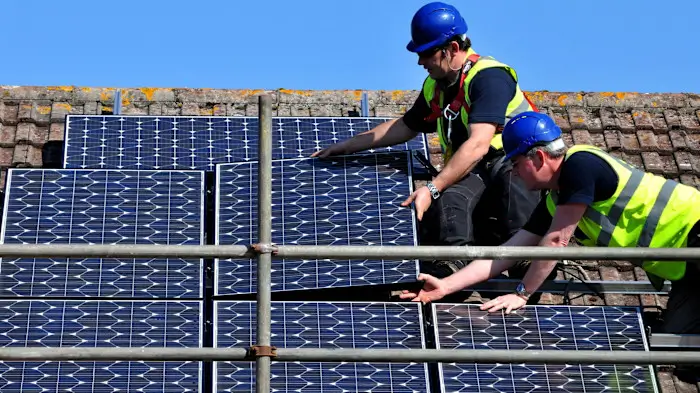
Solar installers will need to adjust their pricing structures and sales strategies as the VAT change draws near. As of 2026, installers will likely see a surge in demand from consumers eager to take advantage of the final opportunity for 0% VAT before the deadline.
This could result in a boom in solar installations in the years leading up to 2027, although the post-2027 market may experience a slowdown as consumers adjust to the new pricing structure.
The 2027 VAT deadline marks a critical turning point for solar energy adoption in the UK. While 2026 remains the last year for consumers to take advantage of the 0% VAT rate on solar panel installations, the government’s ongoing commitment to renewable energy means that solar power will remain a key part of the nation’s energy future.
Consumers and businesses alike should prepare for the financial changes that the VAT reintroduction will bring, while also keeping an eye on potential government support measures to mitigate the impact.