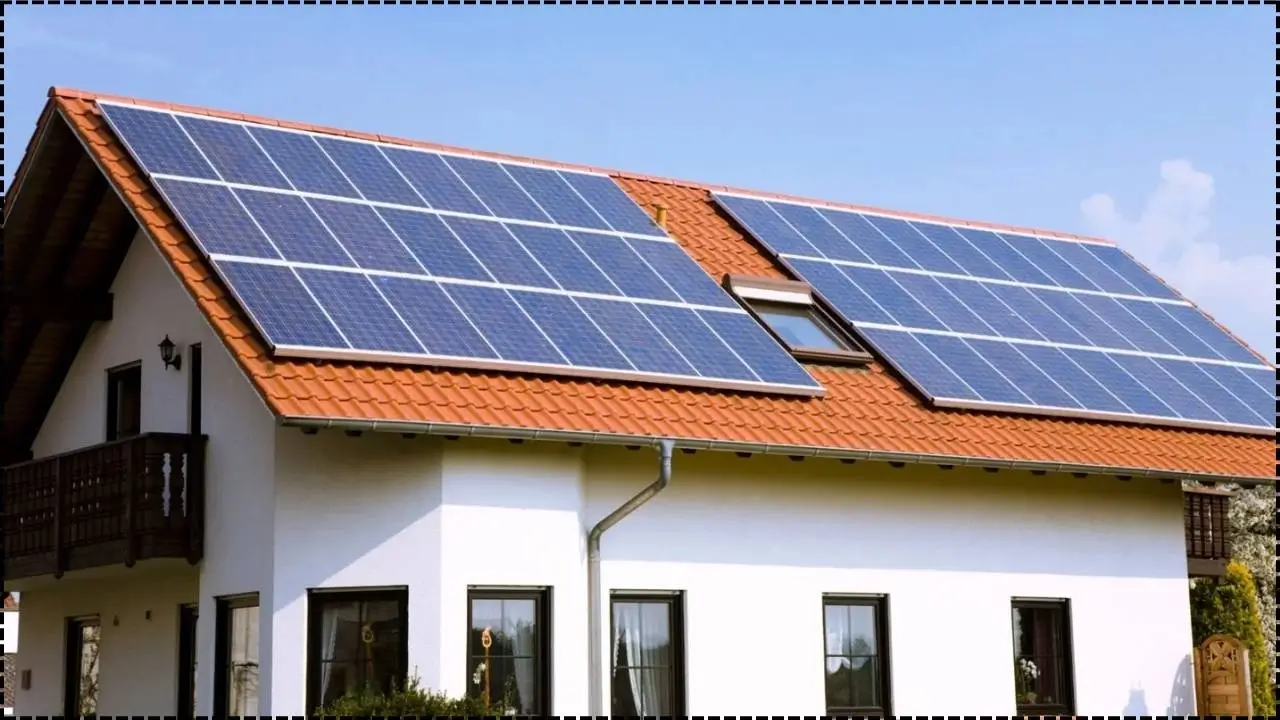

In 2026, BC Hydro introduces a pivotal shift in its rebate structure, requiring residents and businesses to pair solar panels with battery storage to qualify for maximum rebates.
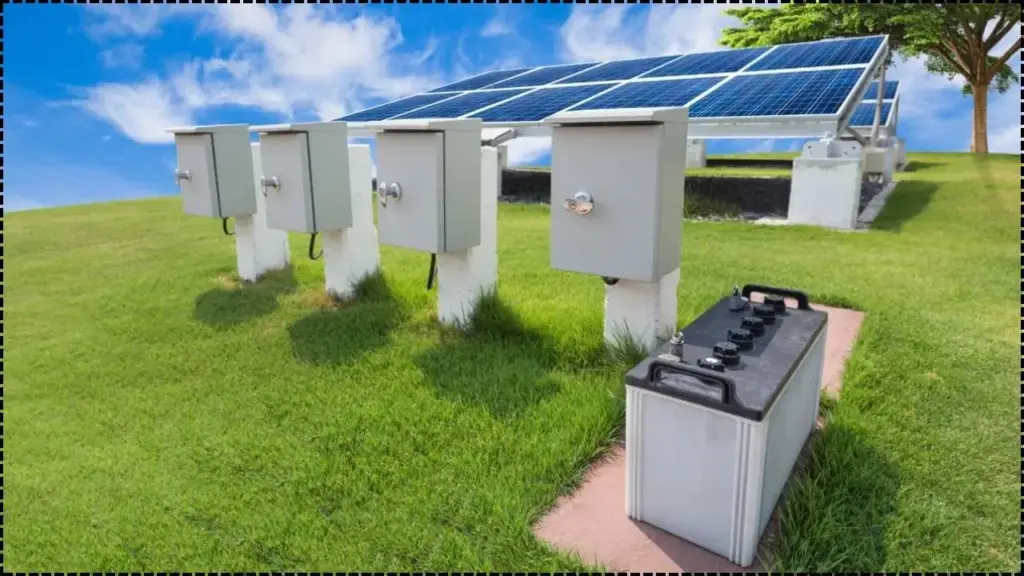
This policy aims to improve energy storage solutions, increase grid resilience, and provide long-term savings for consumers.
BC Hydro’s New 2026 Rules
| Key Fact | Detail/Statistic |
|---|---|
| BC Hydro’s Rebate Policy 2026 | Solar panel installations must include a battery for full rebates. |
| Benefits of Battery Storage | Increased efficiency and resilience to grid fluctuations. |
| Projected Savings | Residents may see up to 25% more savings with battery pairing. |
The move by BC Hydro to require battery storage for maximum solar rebates reflects an urgent need to adapt to both environmental challenges and the growing demand for energy security. As the 2026 deadline approaches, both consumers and energy providers will face a new era of energy solutions that promise to be both more sustainable and economically viable in the long run.
Introduction: Why the Shift Matters
BC Hydro, one of Canada’s largest energy providers, is reshaping its approach to renewable energy incentives. Starting in 2026, homeowners and businesses that wish to receive full solar energy rebates will be required to pair their solar panels with battery storage.
This change is designed to address growing energy demands and ensure the long-term sustainability of BC’s grid system.
The Role of Battery Storage in Renewable Energy
Battery storage systems enable homeowners and businesses to store excess solar power generated during the day for use during the night or during peak demand periods. This reduces dependence on the grid and increases the reliability of solar power.
According to industry experts, this shift is critical in promoting a more resilient and self-sufficient energy system.

Expert Opinions on Solar and Battery Pairing
Dr. Emily Zhang, a leading environmental scientist at the University of British Columbia, notes that “integrating solar with battery storage creates a more flexible and stable energy grid, which is essential as we move towards a low-carbon future.
” By using stored solar energy during high-demand periods, not only can households and businesses reduce their reliance on fossil fuels, but they can also manage energy costs more effectively.
How BC Hydro’s New Rules Impact Consumers
For many, the shift to requiring battery storage may seem like an added expense. However, the financial benefits of these systems are becoming clearer. Experts estimate that with the added rebate, consumers could see substantial returns on their investment in battery storage, with potential savings over the life of the system.
Not only do these systems support grid reliability, but they also reduce energy bills for consumers by maximizing the use of solar energy during off-peak hours.
Success Stories: Early Adopters of Solar + Battery Pairing
Several early adopters in BC have already embraced the combined solar and battery storage solution. One such case is the city of Victoria, which installed battery storage systems alongside solar panels in several public buildings.
“We have seen a marked reduction in our energy costs, as well as a more reliable power supply during peak hours,” said Jennifer Taylor, the city’s sustainability manager.
Moreover, local business owners have reported similar benefits. The owner of a café in Vancouver shared that after installing solar panels with battery storage, their monthly electricity bills were cut by 30%, allowing them to invest those savings back into their business.
Why Now? The Growing Need for Grid Resilience
The push for battery storage comes at a time when BC’s energy grid faces increasing challenges due to climate change and higher energy demands. Experts highlight the need for more sustainable, locally produced energy solutions.
By pairing solar with battery systems, BC Hydro aims to reduce the burden on the provincial grid during peak demand times, particularly during storms or hot weather when electricity demand spikes.
Government and Policy Context: A Broader Vision for Sustainability
BC Hydro’s new policy is part of the province’s larger efforts to meet its climate change goals. As laid out in British Columbia’s Climate Action Plan, the province aims to reduce carbon emissions by 40% by 2030.
This policy aligns with that ambition, as it encourages the adoption of cleaner energy sources while enhancing the grid’s capacity to store and manage renewable power.
Economic and Environmental Implications
The move is expected to have broad economic and environmental benefits. On an environmental level, increased reliance on solar energy combined with battery storage reduces carbon emissions associated with energy production.
Economically, the policy shift aims to foster a green economy by supporting the growth of the solar and battery industries in BC.
Battery storage also allows for a more decentralized energy system, reducing the need for large-scale fossil fuel power plants. This decentralization will be crucial as BC moves toward a more sustainable and resilient energy infrastructure.
Challenges and Considerations for Consumers
While the benefits are clear, consumers will need to consider the costs associated with battery storage installation. Initial installation costs for solar systems paired with batteries may be higher than traditional solar setups.
However, this upfront cost is mitigated by the rebates offered by BC Hydro, which significantly offset installation expenses. As more consumers adopt the technology, the cost of batteries is expected to continue decreasing, making the systems more accessible to a wider audience.
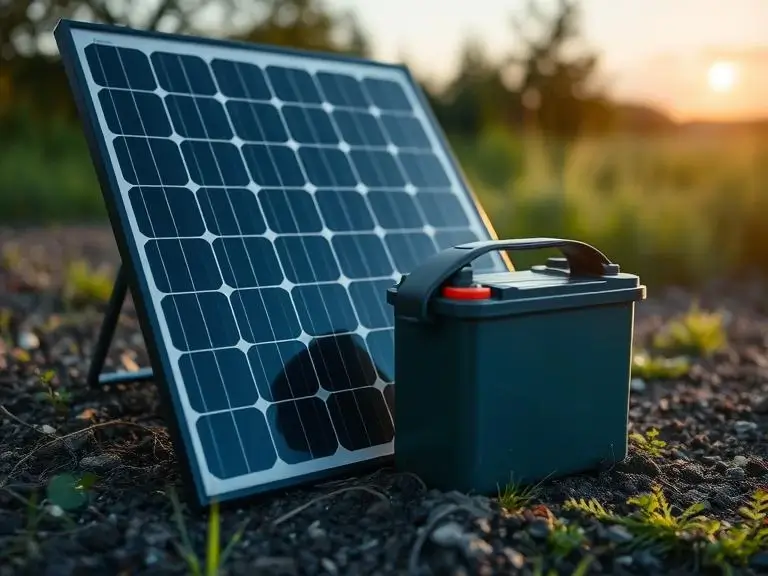
Practical Steps for Consumers: Navigating the Process
For those interested in taking advantage of BC Hydro’s 2026 rebate program, the first step is to contact an authorized solar installer. They can provide specific guidance on system sizing and the appropriate battery storage options.
Consumers will also need to complete a rebate application with BC Hydro, which will review the submission before issuing the rebate. As the adoption of this technology grows, more incentives and financing options are expected to become available, making the process even more accessible.
Related Links
Solar Payback 2026: Is Solar Still a Good Investment in Ontario and Alberta?
The 30% Federal Tax Credit: Why 2026 is the Biggest Year for Canadian Solar Investors
Market Trends in Solar and Battery Storage
The cost of solar panels and battery systems has decreased significantly in recent years due to advancements in technology and increased competition in the market. As more manufacturers enter the market, consumers can expect even better deals in the coming years.
Industry projections suggest that battery costs may decrease by as much as 20% over the next five years, making solar-battery systems a more affordable option for homeowners.
FAQs
Do I need to install both solar panels and batteries to get a rebate?
Yes, BC Hydro’s new rules require both solar and battery systems to qualify for maximum rebates.
Can I install just the battery after having solar panels installed?
No, the rebate applies only if both solar panels and a compatible battery are installed simultaneously.
How much will I save on my energy bill with battery storage?
Savings can vary based on energy usage, but many consumers report saving up to 25% more when combining solar with battery storage.