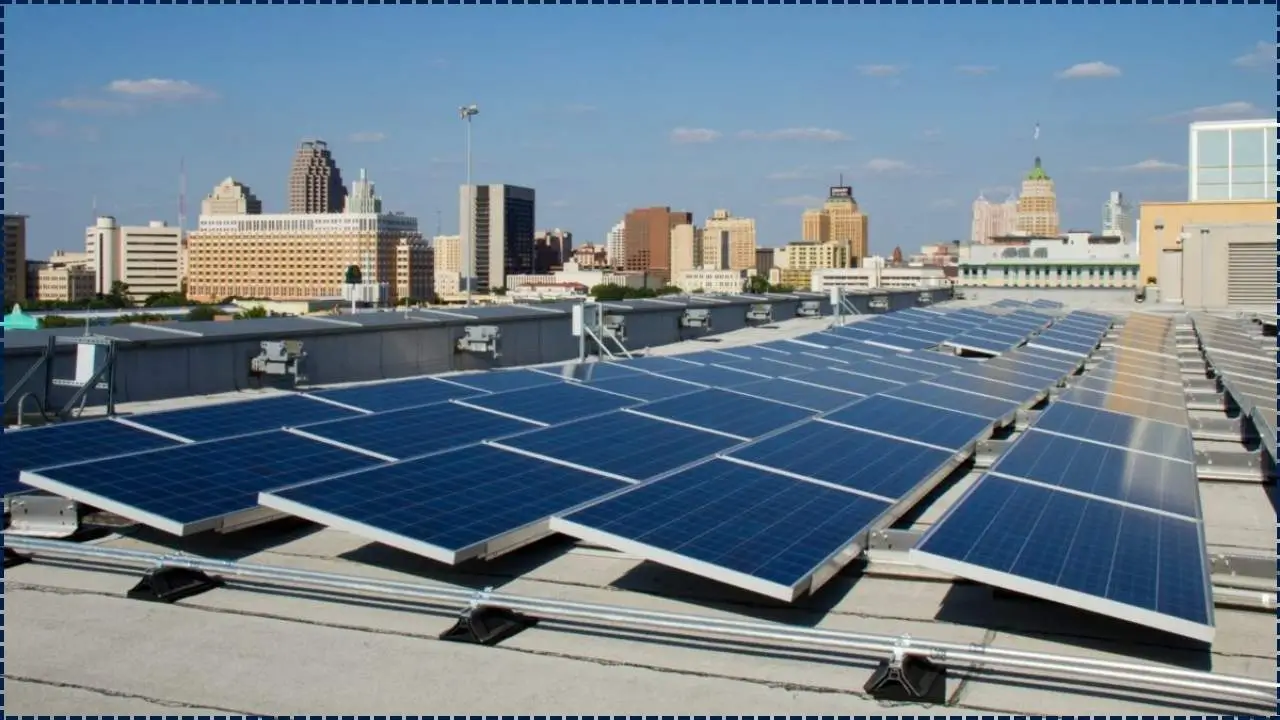

In 2026, Canada’s 30% federal tax credit for solar and battery systems—known as the Clean Technology Investment Tax Credit (ITC)—has become the country’s most powerful clean energy incentive.
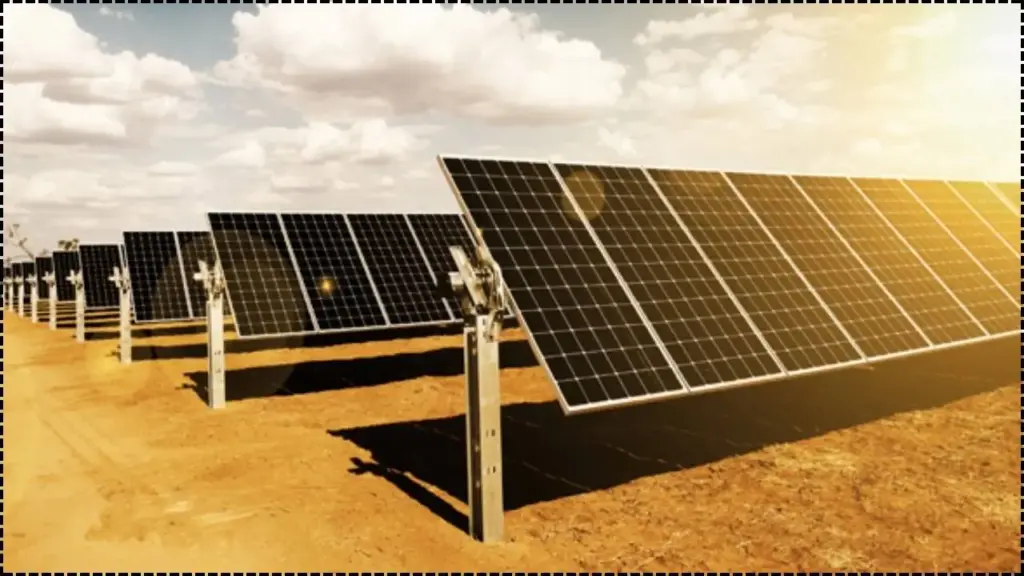
As federal grants fade and electricity prices rise, this policy is accelerating solar investment across industries, positioning 2026 as a pivotal year for businesses seeking long-term energy savings and sustainability gains.
The 30% Federal Tax Credit
| Key Fact | Detail/Statistic |
|---|---|
| Federal Incentive | 30% tax credit on solar & storage |
| Timeline | Full rate until 2033 |
| Cost Reduction | 40–60% with stacked incentives |
| Payback Period | 5–9 years (commercial projects) |
Understanding the 30% Federal Tax Credit
The Clean Technology Investment Tax Credit (ITC) allows eligible businesses to recover 30% of solar and battery project costs directly through reduced federal tax liability.
Unlike traditional deductions, the ITC is a dollar-for-dollar credit, making it one of the most financially impactful incentives available. For example, a $1 million solar installation can generate approximately $300,000 in tax savings, dramatically lowering capital costs.
The program applies to systems installed after 2023 and will remain at 30% until 2033, after which it declines and phases out.
Why 2026 Is a Breakout Year for Solar Investment
Federal Policy Transition
With earlier federal grants now closed, the ITC has become the central federal incentive driving solar adoption.
Rising Energy Costs
Electricity prices across Canada continue to climb, making solar a financially attractive hedge against long-term energy expenses.
Investment Certainty
The ITC’s multi-year structure provides stability, encouraging businesses to commit to large-scale projects.
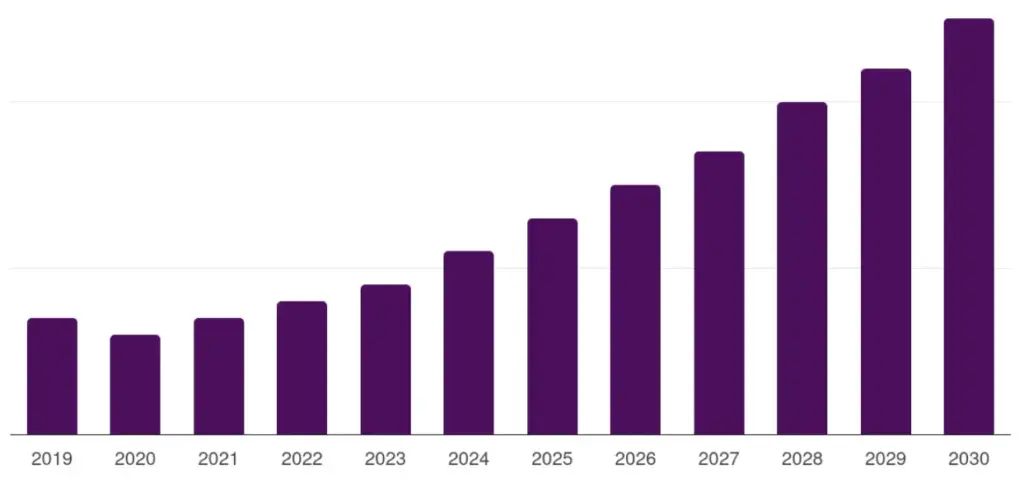
Sector-Wise Adoption: Who Is Investing
Commercial Real Estate
Shopping centers, office buildings, and warehouses are adopting rooftop solar to reduce operating costs and improve sustainability ratings.
Manufacturing and Industry
Energy-intensive industries are installing solar to stabilize electricity expenses and meet emissions targets.
Agriculture
Farms are increasingly investing in solar systems to power irrigation, storage, and processing operations.
Institutional and Public Sector
Schools, hospitals, and municipalities are leveraging solar to reduce taxpayer-funded energy costs.
Real ROI: What Investors Are Seeing
Typical commercial solar projects in 2026 show:
- Payback period: 5–9 years.
- Internal rate of return (IRR): 8–15%.
- System lifespan: 25+ years.
With the ITC and other incentives applied, projects often achieve positive cash flow within a few years of installation.
Stacking Incentives: Maximizing Financial Benefits
The ITC is most powerful when combined with:
Provincial Rebates
Up to $10,000 or more depending on location.
Accelerated Depreciation (CCA)
Allows businesses to deduct remaining system costs from taxable income.
Utility Incentives
Additional rebates or financing options offered by local utilities.
Combined, these incentives can reduce total project costs by 40–60%, significantly improving returns.
Financing Models: Beyond Direct Ownership
Not all businesses pay upfront for solar systems. Alternative financing options include:
Power Purchase Agreements (PPAs)
Third-party developers install and maintain the system, while businesses purchase electricity at a fixed rate.
Leasing Models
Businesses lease solar systems instead of owning them, reducing upfront costs.
Green Loans
Low-interest financing specifically designed for clean energy projects.
These models expand access to solar, particularly for companies with limited capital.
Battery Storage: A Strategic Addition
Battery systems now qualify for the same 30% ITC, making them increasingly attractive.
Benefits include:
- Energy storage for peak demand periods.
- Backup power during outages.
- Optimization of electricity costs.
Battery integration is becoming standard in many new solar projects.
Grid Constraints and Infrastructure Challenges
While solar adoption is growing, grid infrastructure presents challenges:
- Some regions face limitations in connecting new solar systems.
- Utilities may impose restrictions on energy export.
- Grid upgrades are needed to support increased renewable capacity.
Energy experts say infrastructure investment will be critical to sustaining solar growth.
Indigenous and Community Energy Projects
Solar investment is also expanding into community-based projects:
- Indigenous communities are developing solar systems for energy independence.
- Cooperative energy models allow shared ownership of solar installations.
- Community solar programs provide access for those without suitable rooftops.
These initiatives are helping broaden access to clean energy across Canada.
ESG Investing and Corporate Strategy
Environmental, Social, and Governance (ESG) considerations are driving solar investment decisions. Companies are increasingly adopting solar to:
- Meet sustainability targets.
- Reduce carbon footprints.
- Improve investor perception.
Solar projects are now seen as both financial and strategic assets.
Labour Compliance: A Key Requirement
To qualify for the full 30% ITC, projects must meet federal labour standards:
- Prevailing wage requirements.
- Apprenticeship participation.
Failure to comply reduces the credit to 20%, making compliance essential for maximizing benefits.
Risks and Considerations
Policy Risk
Future changes to tax policy could affect long-term returns.
Market Volatility
Equipment costs and interest rates may fluctuate.
Project Complexity
Large installations require careful planning and regulatory approvals.
Technology Risks
Battery systems and inverters may require replacement over time.
Experts recommend thorough financial and technical due diligence before investing.
Canada vs Global Markets
Canada’s ITC aligns with global trends:
- The United States offers a similar 30% solar tax credit.
- Europe relies more on subsidies and feed-in tariffs.
Analysts say Canada’s approach is competitive and attractive to international investors.
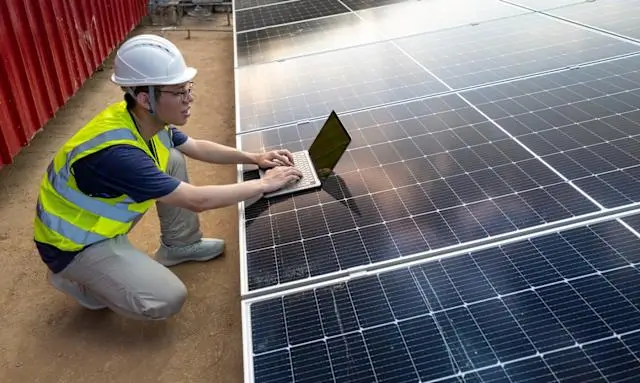
Project Timeline: From Concept to Operation
Typical solar project stages include:
- Feasibility analysis.
- Permitting and approvals.
- Equipment procurement.
- Installation and commissioning.
Projects typically take 6–18 months to complete, depending on size.
Outlook: Why Timing Is Critical
The ITC remains at 30% until 2033 but declines afterward. Investors who act in 2026 benefit from:
- Maximum incentive levels.
- Strong provincial support.
- Favorable market conditions.
Delaying investment could result in reduced incentives and higher costs.
Related Links
The Death of Solar Ownership? Why US Homeowners are Swapping Purchases for Solar Leases in 2026
Final Word
The 30% federal tax credit is reshaping Canada’s solar investment landscape in 2026, creating one of the most favorable environments for renewable energy projects in decades.
With strong financial returns, policy support, and growing demand for clean energy, the opportunity is clear. As one analyst noted, “This is not just a policy moment—it is an investment window.”
FAQs
Who qualifies for the 30% tax credit?
Primarily businesses, corporations, and certain trusts with taxable income.
Can incentives be combined?
Yes, the ITC can be stacked with provincial rebates and depreciation benefits.
Is battery storage included?
Yes, standalone battery systems qualify for the full 30% credit.
What happens after 2033?
The credit decreases and eventually phases out.
Is solar a good investment in 2026?
For many businesses, it offers strong returns and long-term cost savings.