In 2026, Sweden is making significant strides in promoting clean energy solutions through its Green Tax Deduction. Homeowners can now benefit from substantial savings, specifically 20% off solar panel installations and an impressive 50% off home battery systems.
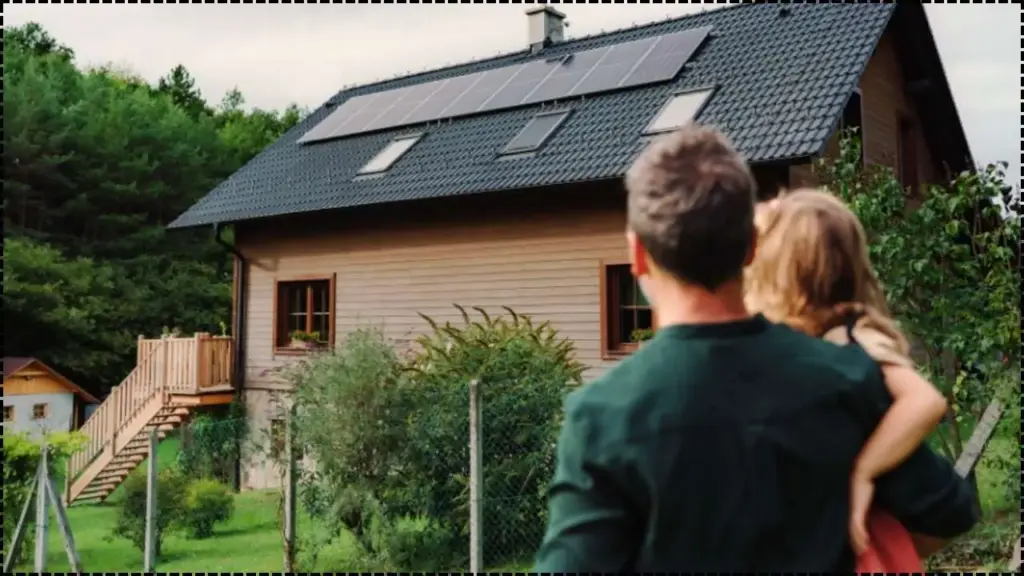
This initiative is part of Sweden’s broader commitment to sustainability, reducing carbon emissions, and encouraging the widespread use of renewable energy sources.
The deductions are not only a financial incentive but also an important step toward reducing Sweden’s reliance on fossil fuels and improving energy self-sufficiency. This article dives into the mechanics of these tax breaks, their potential impact on Swedish homeowners, and the future of green energy policies in Sweden.
Sweden’s Green Tax Deduction
| Key Fact | Detail |
|---|---|
| Solar Panel Deduction | 20% tax break on installation costs |
| Home Battery Deduction | 50% tax break on battery systems installation |
| Annual Deduction Cap | SEK 50,000 per person per year for each eligible technology |
| Eligibility | Swedish homeowners installing solar or battery systems |
| Implementation Timeline | Effective through 2026, with possible adjustments in future |
Sweden’s green tax deduction for solar panels and home batteries is a powerful tool in the fight against climate change. By offering substantial financial incentives for homeowners to invest in renewable energy solutions, the Swedish government is helping individuals reduce their carbon footprints and their electricity bills.
As we look to the future, it is clear that this is just one step in a broader strategy to make Sweden a leader in green energy innovation. As the country moves toward a greener, more self-sufficient energy system, the green tax deduction serves as a model for other nations seeking to empower citizens in the transition to renewable energy.
What Does the Green Tax Deduction Cover?
The green tax deduction in Sweden covers two primary technologies that contribute to a greener, more sustainable future: solar panel systems (PV) and home battery storage systems. These technologies are central to Sweden’s ongoing efforts to reduce reliance on conventional energy sources, thus helping to achieve its ambitious carbon neutrality goals by 2045.
Solar Panels: A 20% Deduction on Installation Costs
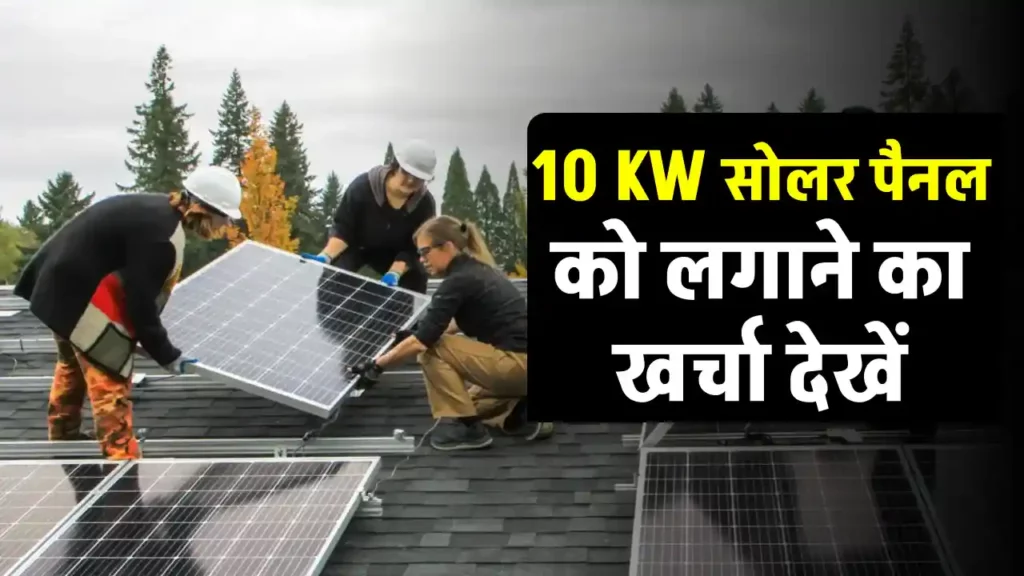
Homeowners who install solar panels can receive a 20% deduction on the cost of materials and labor associated with the installation. This includes not only the photovoltaic (PV) panels themselves but also the necessary equipment and professional installation services.
The Swedish government has been working for years to incentivize the switch to solar energy, and this deduction helps make the transition more affordable.
The tax break is designed to encourage individuals to invest in solar energy systems, which have become increasingly cost-effective in recent years due to advancements in technology and economies of scale.
Home Batteries: A 50% Deduction on Installation
For those looking to store the energy produced by their solar panels, Sweden offers an even more generous tax incentive: a 50% deduction on the installation of home battery storage systems. This is especially significant for homeowners who want to maximize the utility of their solar power generation, allowing them to store excess energy produced during daylight hours and use it when demand is highest or when the sun isn’t shining.
Batteries are key components in transitioning to a self-sufficient, renewable-powered home. They reduce the reliance on the national grid and provide backup power during emergencies or periods of high demand.
How the Green Tax Deduction Works
The process for claiming these deductions is straightforward. Eligible homeowners must hire a contractor who is registered with the Swedish Tax Agency (Skatteverket) and has the necessary F-tax status. The contractor will handle the paperwork and ensure that the deductions are applied correctly.
The tax break is applied directly to the homeowner’s tax return for the year in which the installation is completed. The deduction reduces taxable income, meaning it lowers the total tax owed to the government.
Homeowners can claim up to SEK 50,000 per year for each technology (solar panels and home batteries), meaning there is a maximum potential savings of SEK 100,000 for those who install both technologies in a given year.
Additional Savings: Incentives for Installation Companies
The incentives aren’t limited to just homeowners. Swedish installation companies also benefit from the tax deductions, as they are able to pass on savings to customers by reducing the upfront costs of their services. This creates a more competitive market and ensures that the adoption of green technologies accelerates.
Eligibility Criteria for Tax Deductions
To qualify for the green tax deduction, homeowners must meet a few simple criteria:
- Primary Residence: The installation must take place on a property that is the homeowner’s primary residence in Sweden.
- F-Tax Registered Contractors: Only contractors with the appropriate F-tax registration are eligible to carry out the installation and process the deductions.
- New Installations: The deduction applies only to newly installed systems and cannot be claimed for systems that have already been in place.
- Approved Equipment: The solar panels and home battery systems must meet Swedish and European safety standards and certification.
Comparative Global Insights: How Sweden’s Green Tax Deduction Stands Out
Sweden’s approach to green energy incentives stands as one of the most forward-thinking in Europe. Countries like Germany and the United States offer similar tax breaks, but Sweden’s combination of 20% on solar panels and 50% on home batteries offers one of the most attractive deals in Europe. In comparison:
- Germany offers a 20% incentive for solar systems but does not extend the same level of support for home batteries.
- In the United States, federal incentives for solar can be as high as 26% through the Investment Tax Credit (ITC), though the country lacks a comparable tax break for home storage systems.
Sweden’s integrated energy solutions with solar and battery systems could encourage other countries to follow suit in incentivizing complete energy self-sufficiency rather than just solar installations.
Challenges and Criticisms
Despite the obvious advantages, there are several challenges associated with the green tax deduction system. Critics argue that while it benefits middle and upper-class homeowners, low-income households might find the initial installation costs prohibitive, even with the tax break.
Furthermore, there are concerns about the administrative burden on homeowners and contractors alike. The Swedish Tax Agency has set strict criteria for eligible installations, and some homeowners have expressed frustration over the paperwork and delays in processing deductions.
Expert Opinions and Stakeholder Reactions
Environmental experts and energy economists largely praise Sweden’s green tax deduction, recognizing it as a key tool in Sweden’s push toward carbon neutrality by 2045. According to Dr. Anya Sharma, an energy economist at the Swedish Energy Agency, “These tax incentives are critical in making renewable energy systems more affordable and attractive, driving adoption on a national scale.”
Potential Long-Term Economic Impact for Sweden
The green tax deduction program could contribute significantly to Sweden’s economy in the long run. By encouraging investment in solar and battery technologies, Sweden is not only promoting sustainability but also creating jobs in the growing green energy sector.
Additionally, as more homeowners adopt these technologies, Sweden’s national energy infrastructure will become more resilient and self-sufficient, decreasing dependency on imported energy.
Related Links
The End of Net Metering? What Dutch Homeowners Need to Know About ‘Saldering’ in 2026
Enova Grants 2026: How Norwegian Homeowners Can Get Up to 47,500 NOK for Solar
Apply for the Green Tax Deduction
To apply for the green tax deduction, homeowners should:
- Hire a Registered Contractor: Choose a contractor who is registered with the Swedish Tax Agency.
- Install Solar Panels and/or Batteries: Ensure that both technologies meet the certification requirements.
- Claim the Deduction: The deduction will be applied automatically on the tax return for the year of installation.
Other Future Green Energy Policies in Sweden
Looking to the future, Sweden plans to expand its green energy policies, with further incentives for electric vehicles (EVs) and energy-efficient home upgrades. Sweden’s Green Deal aims to introduce more comprehensive support for energy-efficient homes, from heat pumps to geothermal systems.