
The UK government’s 0% VAT rate on solar panel and battery storage installations has been a game-changer for homeowners and businesses seeking to adopt renewable energy.
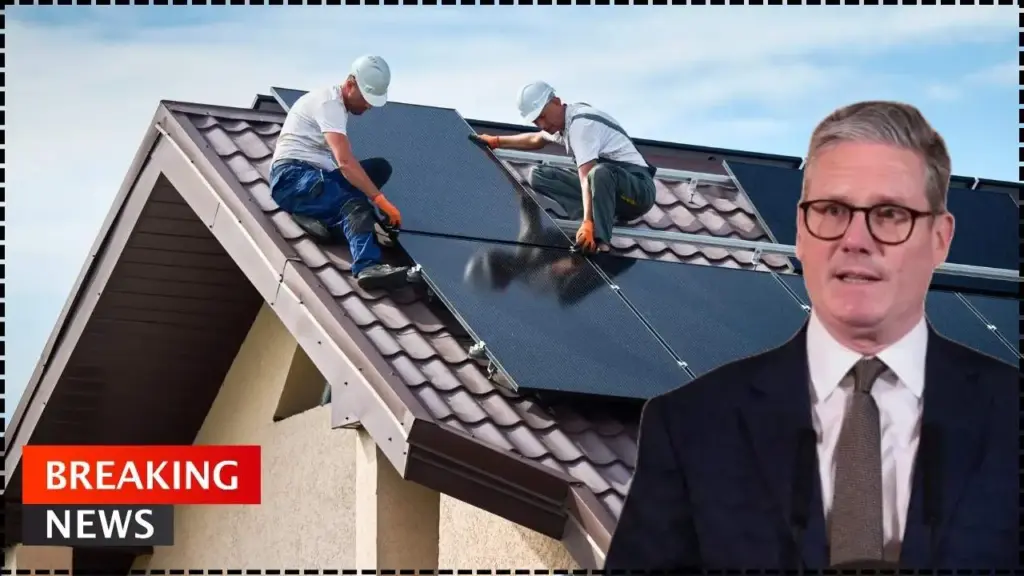
However, this relief is set to expire on 31 March 2027, and industry experts are urging consumers to act before 2026 to secure the full benefit. This article breaks down what the VAT relief is, how it benefits consumers, and why it’s crucial to act before the deadline.
The 2027 VAT Deadline
| Key Fact | Detail/Statistic |
|---|---|
| Current VAT Rate (Solar) | 0% VAT until 31 March 2027 |
| Expected VAT Rate (Post-2027) | 5% VAT |
| Typical Solar System Savings | Save up to £1,500–£4,100 on VAT for large systems |
| VAT Savings for a £10,000 System | £0 VAT now vs £500 after 2027 (5% rate) |
What Is the 0% VAT on Solar?
Since April 2022, the UK government introduced a temporary 0% VAT on solar photovoltaic (PV) systems and battery storage systems installed in residential properties. This relief applies to both materials and installation services, making renewable energy more affordable for consumers.
However, this benefit is set to end on 31 March 2027, after which the VAT will rise to 5% unless further changes are made. This relief was introduced to help consumers lower energy bills and support the UK’s commitment to a greener future. It is an important incentive aimed at accelerating the transition to renewable energy technologies across the country.
Why 2026 Is the Last Year to Secure 0% VAT
While the VAT exemption runs until March 2027, the practical window for consumers to act is 2026. Solar installations often require several weeks for surveys, approvals, and installation.
Therefore, projects begun in early 2027 might not be completed in time for the 31 March 2027 cutoff. For many, waiting too long could mean paying VAT at the higher 5% rate instead of 0%.
Installation Timelines
Solar systems typically take weeks from initial site survey to final installation. This means that to guarantee a 0% VAT rate, homeowners must start the process by late 2026.
Financial Impact
For instance, a £10,000 solar system that would currently cost £10,000 with 0% VAT will increase by £500 if VAT rises to 5%. Larger systems and solar + battery installations could see even greater price hikes, especially for large-scale installations.
What Qualifies for 0% VAT?
Not all installations qualify for the 0% VAT exemption. Here’s what you need to know:
Residential Properties
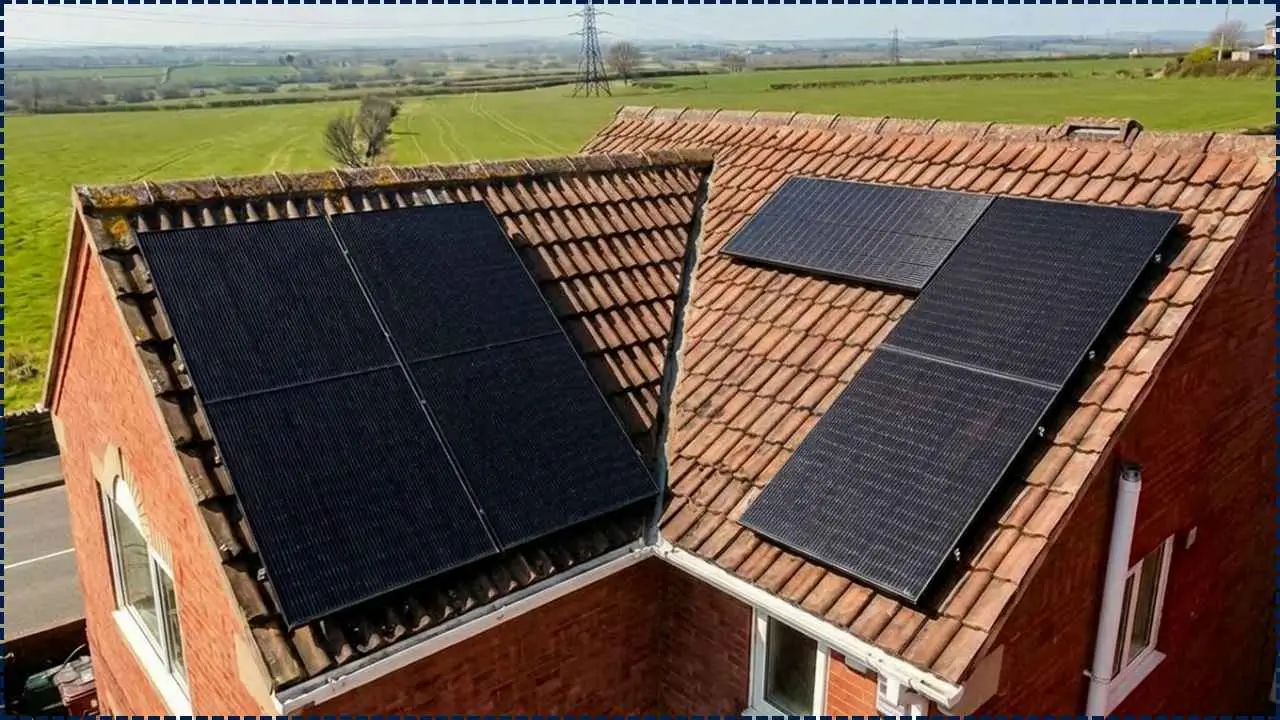
The 0% VAT applies to solar PV panels and battery storage installed in residential properties. This includes owner-occupied homes, social housing, and even property rentals where the property owner installs the system. The VAT exemption also applies to installations in new builds and renovations.
Professional Installation
To qualify, the installation must be carried out by a VAT-registered installer. DIY systems or self-installed components do not qualify for the VAT relief.
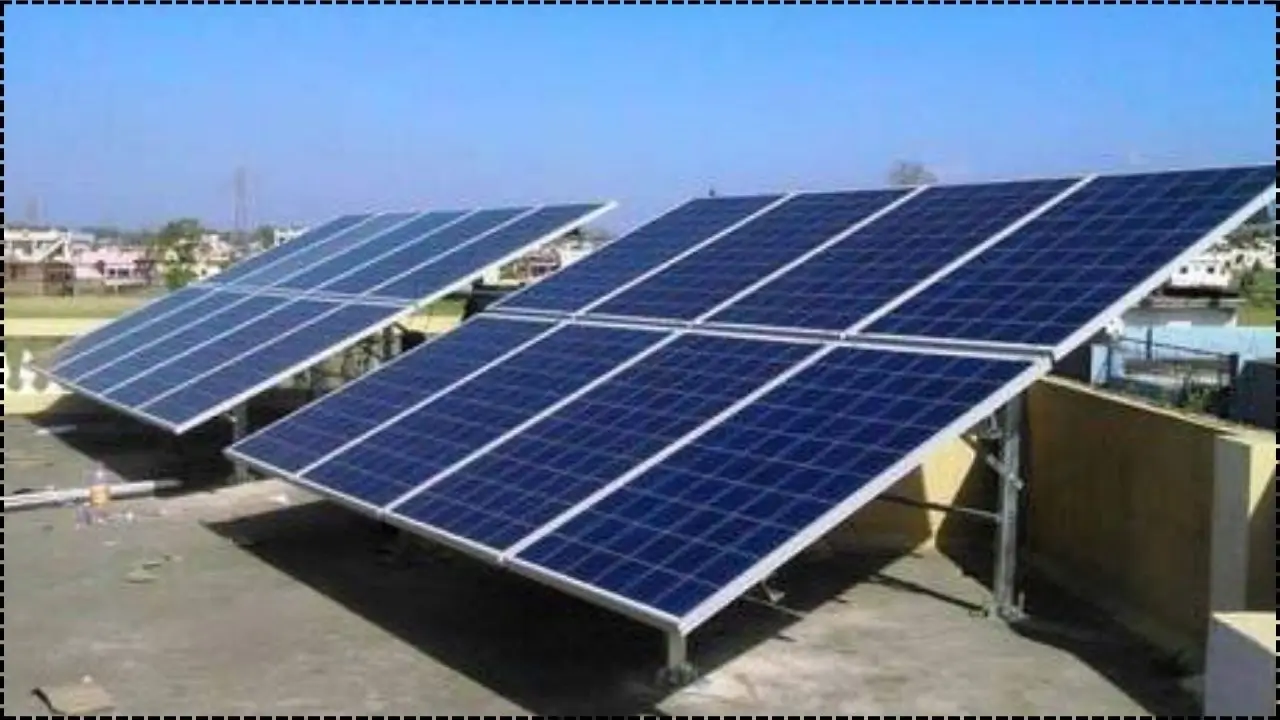
Zero Bill Blueprint: A Step-by-Step Guide to Calculating Your Savings with a 3kW Rooftop System
Battery Storage
Battery storage systems are also eligible for the 0% VAT relief when installed alongside solar panels or as part of a renewable energy setup.
How Much Can You Save?
The VAT exemption can provide substantial savings. For example:
- A £9,000 solar system would save £1,500 with 0% VAT instead of paying the standard VAT rate of 20%. After March 2027, the VAT will rise to 5%, adding £500 to the overall cost.
- A larger solar + battery system could save between £1,500 and £4,100 in VAT, depending on the system’s size and complexity.
| System Type | System Cost (Before VAT) | VAT Saved at 0% |
|---|---|---|
| 4 kW Solar System | £9,000 | £1,500 |
| Solar + Battery System | £12,000 | £2,400 |
What Happens After 31 March 2027?
From 1 April 2027, VAT on solar installations will rise to 5% on energy-saving materials such as solar panels and battery systems. This means that the price of new solar systems will go up, but the impact will be less than the full VAT rate of 20%. However, it is still a significant increase, and the VAT savings will no longer be as substantial.
There is no current indication that the government will extend the 0% VAT relief beyond 2027, but consumers and industry experts are hopeful that further green energy incentives could be introduced.
The Future of VAT and Renewable Energy in the UK
The expiration of the 0% VAT rate raises questions about the future of renewable energy policies in the UK. The UK government has committed to Net Zero by 2050, and renewable energy will play a crucial role in achieving this goal.
While the 5% VAT rate is still lower than the standard rate, it may not be sufficient to maintain the pace of renewable energy adoption. Many industry advocates are calling for permanent VAT reductions on renewable technologies to support long-term sustainability.
UK Solar Market Growth
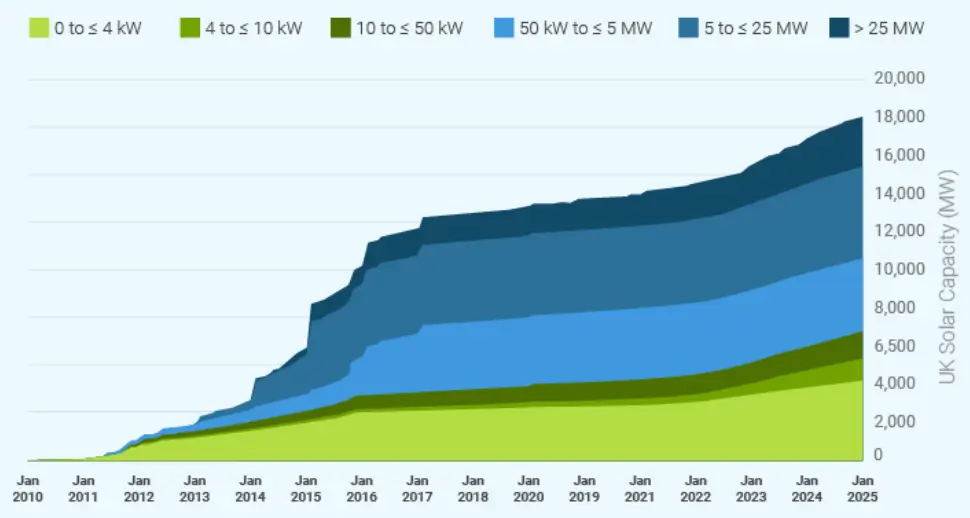
The UK solar market has experienced significant growth thanks to tax incentives like the 0% VAT relief. The number of solar installations has surged since the policy was introduced in 2022, with households and businesses increasingly turning to solar energy to mitigate rising energy costs and reduce carbon emissions.
The market is expected to continue expanding in the coming years, but the end of the VAT exemption could slow down growth in the short term.
Government’s Green Energy Goals
The UK’s VAT relief on solar panels aligns with the government’s long-term commitment to green energy. Achieving Net Zero by 2050 requires a substantial increase in renewable energy adoption. VAT relief helps to incentivize these installations, reducing carbon emissions and promoting a sustainable energy future.
The current VAT relief has proven to be a critical factor in enabling homeowners and businesses to take the first step toward adopting renewable energy.
Whether the policy will be extended or replaced by other incentives after 2027 remains uncertain, but it is clear that solar energy will remain a key part of the UK’s energy strategy.
Related Links
Austria’s EAG Grant 2026: Secure Your Funding for Solar Systems Up to 20kWp
2kW Solar Setup? Here’s Why It Might Be the Biggest Mistake You Make for Your Home
Tips for Getting the Best Deal
- Start Early: If you want to lock in 0% VAT, it’s best to begin the process by late 2026.
- Get Multiple Quotes: Solar installation costs can vary. Getting multiple quotes will help you find the best deal.
- Consider Financing Options: There are green loans and third-party financing options available for solar systems, especially if upfront costs are a concern.
- Check for Grants: Many local authorities and charities offer additional funding or grants for renewable energy installations.
- Choose an Accredited Installer: Ensure your installer is VAT-registered and able to provide the necessary paperwork to ensure VAT relief.
Why You Should Act Now
The UK’s 0% VAT on solar and battery installations is a significant incentive, and with the deadline of 31 March 2027 rapidly approaching, it’s vital to act before VAT rises to 5%. Taking advantage of the current relief allows homeowners to save substantial amounts on solar systems, helping them reduce energy bills and contribute to the UK’s green energy revolution.
Whether you’re interested in cutting your energy costs, reducing your carbon footprint, or securing energy independence, now is the time to install solar power before the VAT relief expires.