
Germany remains a global leader in the transition to renewable energy, and 2026 presents new opportunities for homeowners and businesses to adopt solar panels and battery storage systems. With KfW low-interest loans, state-level grants, and the 0% VAT rate on solar and battery systems, these incentives significantly reduce installation costs.
However, the window for these subsidies is closing. This article explores the key subsidy updates, financing options, and state grants available to homeowners looking to install solar + storage solutions in Germany in 2026.
Germany Solar Subsidies 2026
| Key Fact | Detail/Statistic |
|---|---|
| KfW Loan Programme 270 | Low-interest loans for PV + storage |
| 0% VAT on Solar Systems | Temporary 0% VAT on solar + battery installations |
| State Grants for Batteries | Local grants available in regions like Berlin, Saxony |
Federal Subsidies and KfW Updates in 2026
Germany has developed a comprehensive strategy for supporting solar energy adoption. These efforts include KfW financing and 0% VAT relief, which continue to be pivotal in helping consumers switch to solar and energy storage solutions.
KfW Loan Programme 270: Renewable Energy – Standard
The KfW 270 loan programme remains central to Germany’s financing strategy. For 2026, this programme continues to offer low-interest loans for the installation of solar panels and battery storage systems.
- Coverage: The KfW programme can finance 100% of eligible costs, including both solar panels and battery storage installation.
- Terms: With 5 to 20-year repayment terms, and a potential grace period at the start of repayment, the loans remain an attractive option.
- Interest Rates: These loans offer competitive rates that are generally lower than commercial bank loans, making the system affordable for homeowners.
0% VAT on Solar Systems
Germany’s 0% VAT on solar and battery systems continues through 2026. The zero VAT rate significantly reduces the overall cost of installing solar panels and batteries.
- Savings: Homeowners can save between €3,000 and €5,000 on a 10 kWp PV system + battery combination.
- Eligibility: The 0% VAT rate applies to systems where solar panels and battery storage are installed together at residential properties.
- Timeline: This 0% VAT relief is available until 31 March 2027, after which it will increase to 5% VAT.
Feed-in Tariffs (EEG)
Germany’s Feed-in Tariff (EEG) continues to provide financial compensation for electricity exported to the grid. This tariff applies to homeowners who install solar systems and sell surplus energy. Though not a direct capital subsidy, the EEG offers long-term financial benefits and supports grid independence.
State-Level Grants for Home Batteries
In addition to KfW loans and 0% VAT, homeowners in various German states can access additional subsidies for installing home battery systems. These state grants are often offered to promote energy independence and solar adoption within specific regions.
Berlin – SolarPLUS Grant
Berlin’s SolarPLUS programme provides direct grants to homeowners who install battery storage systems alongside new solar PV systems.
- Amount: The grants range from several hundred to several thousand euros, depending on the system’s storage capacity and other factors.
- Eligibility: This grant is available to homeowners installing both solar panels and battery systems.
Saxony – Sachsenkredit “Energie und Speicher”
In Saxony, the Sachsenkredit programme offers low-interest loans for PV and storage systems, with up to 20% repayment subsidies effectively turning part of the loan into a non-repayable grant.
- Terms: Low-interest rates and up to 20% subsidy on loan repayments.
- Eligibility: Available for residential installations of solar panels and battery storage.
Baden-Württemberg – L-Bank PV Programme
The L-Bank programme in Baden-Württemberg also supports the financing of solar PV and battery installations.
- Financing: Offers competitive interest rates and flexible repayment periods.
- Eligibility: Homeowners in Baden-Württemberg installing solar + storage systems.
Local Grants in Cities
Cities like Cologne (Köln), Stuttgart, and Frankfurt offer local grants that can be combined with federal financing options.
- Cologne: Offers grants of up to €1,300 for battery storage when paired with solar.
- Stuttgart: €300 per kWh for battery capacity in combination with solar.
- Frankfurt: Offers up to 20% reimbursement for combined solar + storage installations.
What’s New in 2026?
In 2026, several changes and additions to Germany’s solar and battery subsidy landscape are noteworthy.
Shift from Grants to Loans and VAT Relief
Germany is shifting its focus from direct grants to loans and VAT relief in 2026. While KfW financing and 0% VAT relief remain robust, direct federal cash grants for home batteries are no longer offered, which means homeowners need to rely more on regional grants and low-interest loans.
Continued Strong Growth in Solar Deployment
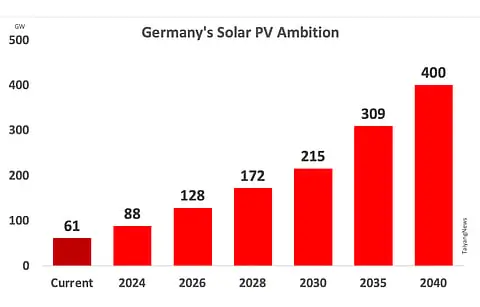
Germany added 1.41 GW of new solar capacity in March 2026, which shows strong demand for residential solar energy. This growth will likely continue as homeowners take advantage of subsidies and incentives to reduce long-term energy costs and promote energy independence.
Expiring 0% VAT
Homeowners looking to install solar systems should be aware that the 0% VAT rate will end after March 2027, meaning 2026 is the last year to take full advantage of this significant tax saving.
Maximise Subsidy Stacking in 2026
To make the most of the available subsidies and financing options:
Combine KfW Loans with 0% VAT Relief
Maximizing savings from KfW loans and 0% VAT relief offers a major cost reduction. Combining both will significantly lower the upfront investment.
Utilize Local Grants
Regional grants, such as those in Berlin, Saxony, and Cologne, can be stacked with federal incentives, further reducing installation costs.
यूपी में PM SURYA GHAR YOJANA के माध्यम से लगेंगे 25 लाख घर में सोलर पैनल, नागरिकों को मिलेगी राहत
Leverage Feed-in Tariffs
Homeowners can benefit from feed-in tariffs by exporting excess energy back to the grid, creating an additional income stream and further improving return on investment.
Looking Ahead: The Future of Solar Subsidies in Germany
Germany’s long-term renewable energy goals include achieving Net Zero by 2050. As the solar market continues to expand, new solar technologies and storage solutions will emerge.
While 2026 remains an excellent year to install solar and batteries, further policy changes and technological advancements will likely shape the market in the coming years.
Related Links
The End of Net Metering? What Dutch Homeowners Need to Know About ‘Saldering’ in 2026
Enova Grants 2026: How Norwegian Homeowners Can Get Up to 47,500 NOK for Solar
Key Developments to Watch
- Future Solar Battery Grants: Will federal grants return after 2027 for home batteries?
- Energy Independence: As grid instability increases, how will Germany integrate solar systems into smart grids?
- Taxation and Incentives: Future incentives for solar storage and smart grid integration could become more prominent.
2026 is a Critical Year for Solar Investments in Germany
Germany’s solar subsidies in 2026 are among the most generous yet, with 0% VAT relief, KfW loans, and state-level grants making solar + battery systems more affordable. Homeowners must act quickly as the 0% VAT relief ends in March 2027, and future incentives may not be as generous.
By taking advantage of these opportunities, homeowners not only reduce their energy costs but also contribute to Germany’s green energy goals and energy security. 2026 is a pivotal year for solar investments in Germany, and it is essential to start planning soon.