
The Eco-Friendly Manufacturing: How the “Green Steel” Revolution is Making Solar Structures Carbon-Neutral is emerging as a critical shift in global climate efforts, as industries move to eliminate emissions not just from energy generation but also from the materials used to build it. Steel, a key component in solar infrastructure, is now at the center of decarbonization strategies.
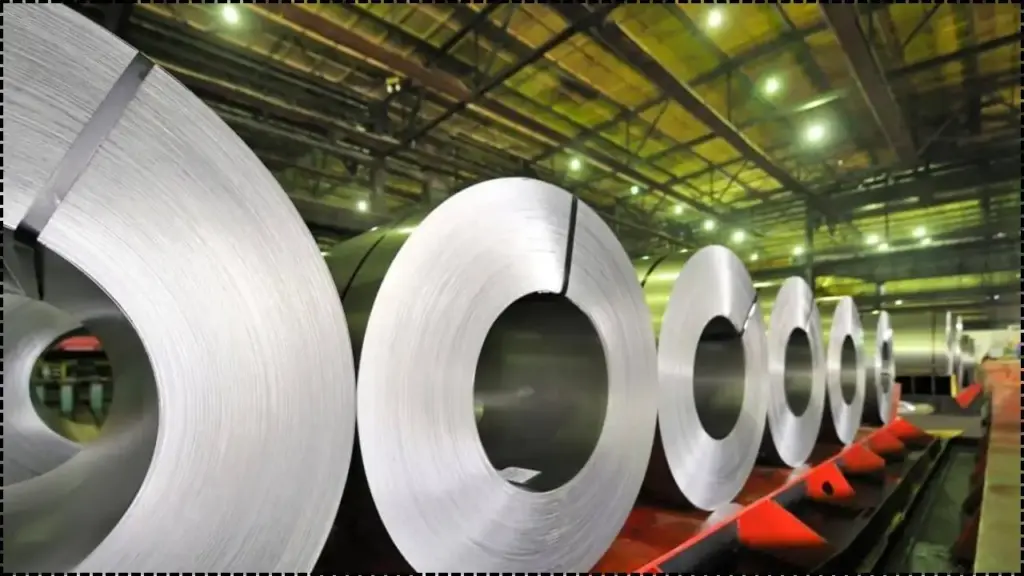
Eco-Friendly Manufacturing
| Key Fact | Detail |
|---|---|
| Steel emissions | Accounts for ~7–8% of global CO₂ output |
| Green steel method | Hydrogen replaces coal in production |
| Solar link | Steel forms backbone of solar mounting systems |
| Cost premium | Green steel costs 20–40% more currently |
Eco-Friendly Manufacturing and the Rise of Green Steel
The push toward eco-friendly manufacturing has expanded beyond renewable energy generation to include the materials used in infrastructure. Solar energy, long viewed as a cornerstone of clean power, is now under scrutiny for its embedded carbon footprint.
Steel, which forms the structural backbone of solar installations, is one of the most carbon-intensive materials in the global economy. Traditional production relies on coal-fired blast furnaces, emitting significant amounts of carbon dioxide.
As countries accelerate solar deployment, attention has shifted to reducing emissions across the entire lifecycle of renewable energy systems. Green steel has emerged as a key solution to this challenge.
What Is Green Steel and Why It Matters
Green steel refers to steel produced with minimal or zero carbon emissions. The most prominent method involves replacing coal with hydrogen in the iron reduction process.
In conventional steelmaking, carbon removes oxygen from iron ore, producing carbon dioxide as a byproduct. In contrast, hydrogen-based processes produce water vapor instead, significantly reducing emissions.
This shift is critical because steel demand is expected to grow alongside infrastructure development, including renewable energy systems. Without cleaner production methods, emissions from steel could offset gains made in other sectors.
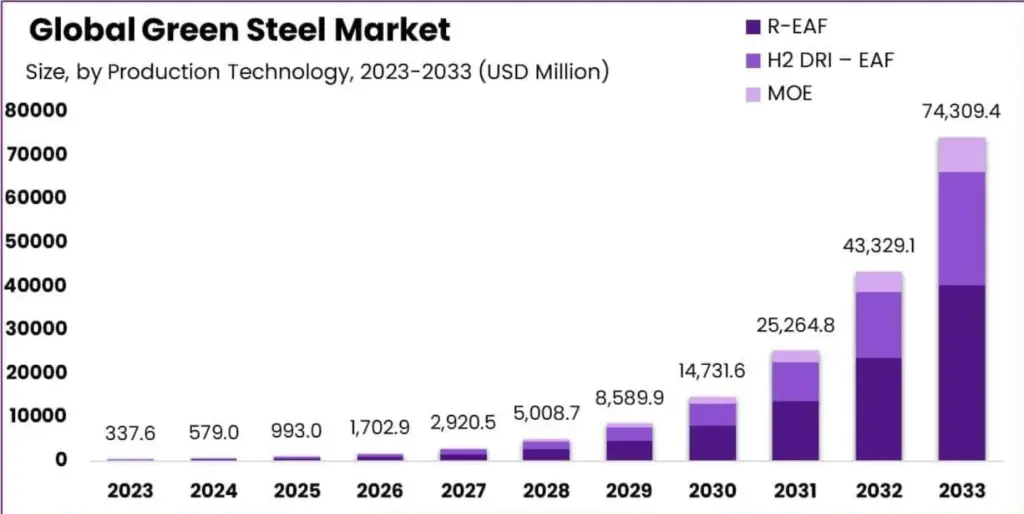
How Green Hydrogen Powers the Transformation
Green steel depends heavily on green hydrogen, which is produced through electrolysis using renewable electricity. Electrolyzers split water into hydrogen and oxygen. When powered by solar or wind energy, the process generates hydrogen without carbon emissions.
This hydrogen can then be used in direct reduced iron (DRI) processes, replacing coal entirely. Energy experts note that this integration creates a circular clean energy system: renewable power generates hydrogen, which enables low-carbon steel, which in turn supports renewable infrastructure.
Why Solar Structures Are Central to the Green Steel Revolution
Solar installations require large quantities of steel for:
- Mounting frames
- Support structures
- Tracking systems
These components must withstand environmental stress over decades, making steel indispensable. Using conventional steel undermines the overall sustainability of solar projects by embedding significant emissions into their construction.
By switching to green steel, developers can reduce lifecycle emissions, moving closer to truly carbon-neutral energy systems.
Industry Adoption and Real-World Projects
The transition to green steel is gaining momentum globally. Several pilot projects are underway, integrating hydrogen-based steel production with renewable energy sources. Industrial hubs in Europe and Asia are leading early adoption, supported by government funding and private investment.
In India, policymakers and industry groups are advocating incentives to accelerate green steel production, aligning with national clean energy goals.
Large corporations in mining, steel, and energy sectors are also forming partnerships to develop low-emission steel supply chains, signaling growing confidence in the technology.
Economic Realities and Cost Challenges
Despite strong momentum, green steel faces significant economic hurdles. Production costs remain higher than traditional methods due to:
- Expensive hydrogen production.
- High capital investment in new facilities.
- Limited economies of scale.
Analysts estimate that green steel currently costs 20–40% more than conventional steel. However, costs are expected to decline as:
- Renewable energy becomes cheaper.
- Electrolyzer technology scales.
- Production volumes increase.
Some projections suggest cost competitiveness could be achieved within the next two decades, depending on policy support and technological advancements.
Supply Chain Transformation and Industrial Impact
The green steel revolution is reshaping global supply chains. Manufacturers of solar infrastructure are increasingly demanding low-carbon materials to meet sustainability targets and regulatory requirements.
This shift is influencing:
- Procurement strategies.
- Manufacturing processes.
- Investment decisions.
Steel producers are responding by investing in hydrogen-based technologies and forming partnerships with renewable energy providers. The transition is also creating new economic opportunities, including jobs in clean manufacturing and infrastructure development.
Environmental Trade-Offs and Resource Constraints
While green steel offers clear climate benefits, it introduces new challenges.
Energy Demand
Producing green hydrogen requires large amounts of electricity, increasing demand for renewable energy capacity.
Water Consumption
Electrolysis consumes water, which could strain resources in water-scarce regions.
Material Supply
Certain electrolyzer technologies rely on rare materials, creating potential supply bottlenecks. Experts emphasize that careful planning and resource management will be essential to ensure sustainable deployment.
Government Initiatives and Policy Landscape
Governments are playing a crucial role in accelerating green steel adoption. Policies such as carbon pricing, subsidies, and trade regulations are shaping the market. The European Union’s Carbon Border Adjustment Mechanism (CBAM), for example, aims to encourage low-emission production by imposing costs on carbon-intensive imports.
Countries with abundant renewable resources are positioning themselves as future exporters of green hydrogen and green steel. This competition is expected to influence global trade patterns and industrial strategies.
Timeline for Adoption and Future Outlook
Industry analysts outline a gradual transition toward green steel:
- 2025–2027: Expansion of pilot projects and demonstration plants
- 2028–2030: Scaling of hydrogen-based production
- Beyond 2030: Wider adoption across industries, including renewable infrastructure
The pace of adoption will depend on technological progress, policy support, and market demand.

Toward Fully Carbon-Neutral Energy Systems
The green steel revolution reflects a broader shift in sustainability thinking. Decarbonization is no longer limited to energy generation. It now includes the entire supply chain, from raw materials to final infrastructure.
By integrating renewable energy, hydrogen production, and low-carbon manufacturing, industries are moving toward fully carbon-neutral systems.
Related Links
Electrolyzer Boom 2026: The Missing Link Between Solar Panels and Clean Heavy Transport
Second-Life Batteries: Giving Old EV Batteries a New Job in Home Solar Storage Systems
Green steel is becoming a cornerstone of eco-friendly manufacturing, particularly in the solar energy sector. By replacing coal with hydrogen in steel production, it addresses one of the largest sources of industrial emissions.
Although challenges remain, including cost and infrastructure constraints, momentum is building globally. As investment increases and technology advances, green steel is expected to play a central role in making renewable energy systems truly sustainable.
FAQs
What is green steel?
Steel produced using low-emission methods, often involving hydrogen instead of coal.
Why is it important for solar energy?
It reduces the carbon footprint of solar infrastructure, making renewable energy more sustainable.
What are the main challenges?
High costs, energy requirements, and infrastructure limitations.
When will it become widely used?
Adoption is expected to grow significantly by 2030, with broader use in the following decades.