
India is accelerating investments in renewable energy as global fuel markets face unprecedented volatility.
The debate around India’s ‘Solar Bet’ Amidst Global Energy Crisis centres on whether the country’s massive expansion of solar power will stabilise electricity costs or create temporary upward pressure on power tariffs during the transition.
India’s ‘Solar Bet’ Amidst Global Energy Crisis
India’s energy transition is unfolding during a period of extraordinary disruption in global energy markets. Conflicts affecting oil and gas supply chains, combined with climate policy shifts, have forced governments worldwide to rethink how they generate electricity.
For India, the world’s third-largest energy consumer, the stakes are particularly high. The country’s rapid economic expansion has sharply increased electricity demand, while reliance on imported fossil fuels exposes the economy to global price shocks.
The government therefore sees renewable energy—especially solar power—as both an economic and strategic solution.
“India’s renewable push is about energy security as much as climate policy,” said Fatih Birol, Executive Director of the International Energy Agency (IEA), in recent remarks on global energy trends.
India’s Energy Demand Is Growing Rapidly
Electricity consumption in India has expanded significantly over the past decade. According to the Ministry of Power, per-capita electricity consumption has increased steadily as rural electrification, digital infrastructure, and industrial growth expand the country’s energy footprint.
India’s electricity demand is expected to double by 2040, according to projections from the International Energy Agency.
Historically, coal has dominated electricity generation in India because it is abundant and relatively inexpensive domestically. Today, coal still accounts for roughly 70% of electricity generation, according to the Central Electricity Authority (CEA). However, dependence on fossil fuels also exposes the country to price volatility in global markets.
Global Energy Crisis Highlights India’s Vulnerability
The recent global energy crisis has been driven by geopolitical tensions, supply disruptions, and rising fuel demand. Sharp increases in oil, gas, and coal prices during recent supply shocks have affected economies worldwide.
For India, which imports more than 85% of its crude oil, these fluctuations directly affect inflation, trade balances, and electricity tariffs. The vulnerability becomes especially clear during disruptions in West Asia, which supplies a large share of India’s oil.
The Strait of Hormuz, a narrow shipping route between Iran and Oman, carries roughly one-fifth of global oil shipments, according to the U.S. Energy Information Administration. Any disruption in this region can quickly raise fuel costs for energy-importing countries.
India’s Strategic Petroleum Reserves
To mitigate such risks, India has developed Strategic Petroleum Reserves (SPR) located in Visakhapatnam, Mangaluru, and Padur. These underground storage facilities can hold roughly 5 million tonnes of crude oil, equivalent to about 10 days of national demand, according to Indian Strategic Petroleum Reserves Limited.
However, analysts say reserves only provide temporary protection.
“Strategic reserves offer short-term stability, but long-term energy security requires diversification,” said Karthik Ganesan, energy fellow at the Council on Energy, Environment and Water (CEEW). This is where solar energy plays a growing role.
Solar Energy Becomes Central to India’s Strategy
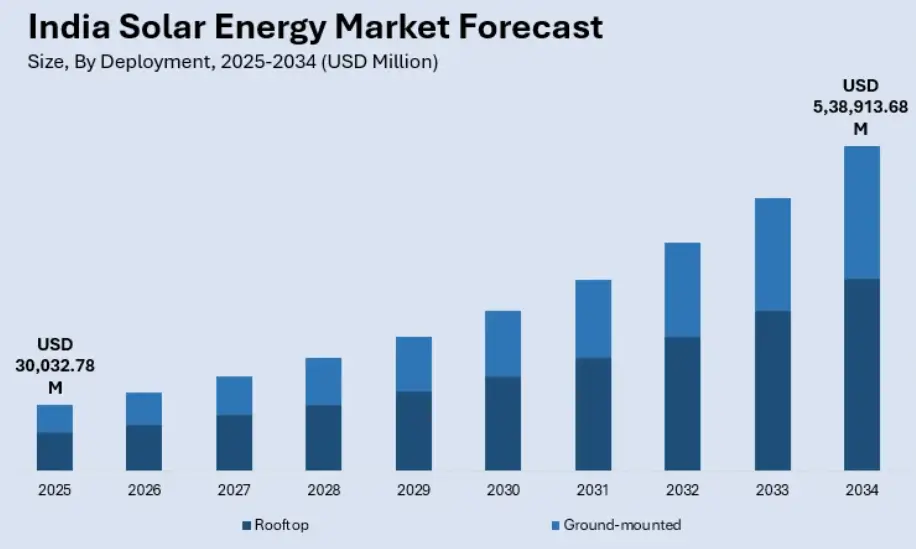
India’s renewable energy expansion is among the fastest in the world. The government has set an ambitious goal of 500 gigawatts of non-fossil energy capacity by 2030, with solar expected to contribute the largest share.
Large solar parks across Rajasthan, Gujarat, and Karnataka have become central to the strategy. Projects such as the Rewa Ultra Mega Solar Power Project in Madhya Pradesh demonstrated that solar electricity can be delivered at highly competitive tariffs.
Solar prices in India have fallen dramatically over the past decade. Tariffs that once exceeded ₹10 per kilowatt-hour in early projects have dropped to around ₹2–₹3 per kWh in recent auctions.
Why Solar Power Is Attractive for India
Solar power offers several advantages for India’s energy system. First, it reduces dependence on imported fossil fuels. Second, it produces electricity with minimal operating costs after installation. Third, it helps India meet its climate commitments under the Paris Agreement.
According to Vibhuti Garg, energy economist at the Institute for Energy Economics and Financial Analysis (IEEFA), falling solar costs have fundamentally changed the economics of electricity generation.
“Solar power is no longer just an environmental choice—it is increasingly the most affordable option for new electricity generation,” she said.
Will Solar Lower Electricity Prices?
Many economists believe solar power could eventually stabilise electricity prices. Unlike fossil-fuel power plants, solar installations do not require continuous fuel purchases. This makes long-term operating costs more predictable.
Recent solar-plus-battery projects also suggest that renewable energy can provide reliable electricity even during evening demand peaks.
For example, a solar-plus-storage project in Madhya Pradesh secured tariffs near ₹2.7 per kWh, demonstrating that round-the-clock renewable electricity is becoming viable. Over time, analysts say such projects could reduce the need for expensive fossil-fuel imports.
Why Electricity Prices Might Rise in the Short Term
Despite falling solar tariffs, electricity prices for consumers may not decline immediately. Several structural factors influence power tariffs.
Grid Expansion Costs
Renewable projects are often located far from major cities, requiring new transmission lines. These grid upgrades involve significant investment.
Energy Storage Infrastructure
Solar and wind generation depend on weather conditions. Battery storage systems are needed to maintain a stable electricity supply. Although storage costs are falling, they remain expensive.
Financial Stress in Distribution Companies
India’s electricity distribution companies (DISCOMs) have accumulated large financial losses due to subsidies and inefficiencies. These losses often lead regulators to adjust electricity tariffs.
Manufacturing and Supply Chain Challenges
Another major challenge is the global solar supply chain. China currently dominates solar module manufacturing worldwide. India imports a significant portion of its solar panels from Chinese suppliers, exposing projects to global price fluctuations.
To reduce dependence, the government has introduced Production Linked Incentive (PLI) schemes to encourage domestic manufacturing. Major Indian companies are now investing in solar panel factories and integrated renewable energy supply chains.
Solar Power and India’s Industrial Economy
Electricity costs are particularly important for India’s manufacturing sector. Industries such as steel, cement, and chemicals consume large amounts of electricity. Stable and affordable power prices are essential for maintaining competitiveness.
Some companies are already adopting renewable energy directly. Corporate power purchase agreements allow businesses to buy electricity from solar and wind farms at predictable prices.
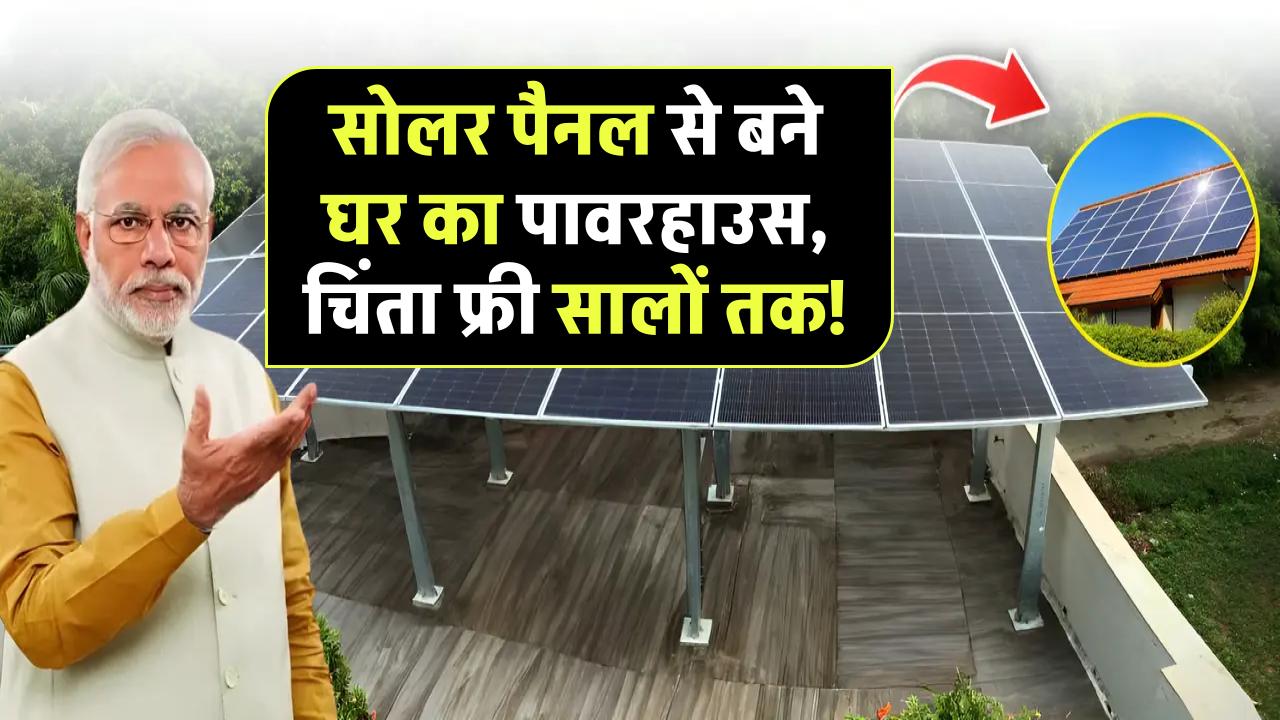
Such agreements are expected to expand as companies seek to reduce carbon emissions and manage energy costs.
India’s Emerging Green Hydrogen Strategy
Solar power is also expected to support India’s green hydrogen ambitions. The government launched the National Green Hydrogen Mission to promote hydrogen production using renewable electricity.
Green hydrogen could eventually replace fossil fuels in heavy industries and long-distance transport. Experts say cheap solar electricity will be crucial to making hydrogen economically viable.
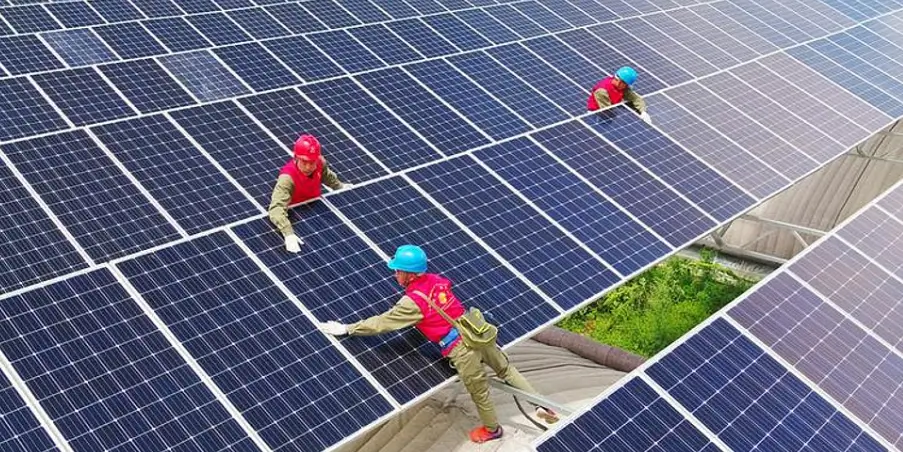
Lessons from Global Energy Transitions
India’s energy transition is part of a broader global shift. Countries such as China, the United States, and members of the European Union are investing heavily in renewable energy.
China currently leads the world in solar manufacturing and installation, while Europe has accelerated renewable expansion after disruptions in natural gas supplies. India’s approach differs slightly.
Instead of replacing fossil fuels immediately, the country is pursuing a gradual transition while maintaining coal for energy security.
Related Links
Elmya Breaks Ground on 30-MWp Solar and 40-MWh Battery Project in Scotland
Market Volatility: Why Analysts Recommend ‘Stock-Specific’ Bets in Solar
The Long-Term Outlook
Energy analysts broadly agree that solar power will play a dominant role in India’s future electricity system. Declining technology costs, favourable climate conditions, and strong policy support make India one of the most promising renewable markets in the world.
However, the transition will require sustained investment in infrastructure, storage technology, and grid modernisation.
If managed effectively, solar energy could help India achieve energy independence while stabilising electricity prices.
India’s renewable expansion reflects a strategic response to both climate commitments and global energy volatility. The debate surrounding India’s ‘Solar Bet’ Amidst Global Energy Crisis highlights a complex trade-off between short-term investment costs and long-term energy security.
While electricity tariffs may fluctuate during the transition, falling solar costs and supportive policies suggest that renewable energy could eventually provide more stable and affordable electricity for India’s growing economy.