
The PM-KUSUM solar pump scheme is transforming irrigation in India by offering farmers subsidised solar-powered pumps, reducing dependence on diesel and grid electricity.

With subsidies reaching up to 60–90% in many states, the scheme is enabling farmers to lower irrigation costs while improving energy security.
What is the PM-KUSUM Scheme and Why It Matters
The Pradhan Mantri Kisan Urja Suraksha evam Utthaan Mahabhiyan (PM-KUSUM) is a flagship government initiative aimed at promoting solar energy in agriculture.
Key Objectives
- Reduce farmers’ dependence on diesel and grid electricity.
- Provide reliable daytime irrigation.
- Enable farmers to generate additional income by selling surplus power.
The scheme aims to add 34,800 MW of solar capacity by 2026, making it one of the largest agricultural solar programmes globally.
KUSUM Scheme Components Explained
The scheme has three major components:
Component A
- Solar power plants on farmland.
- Farmers can sell electricity to DISCOMs.
Component B
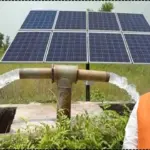
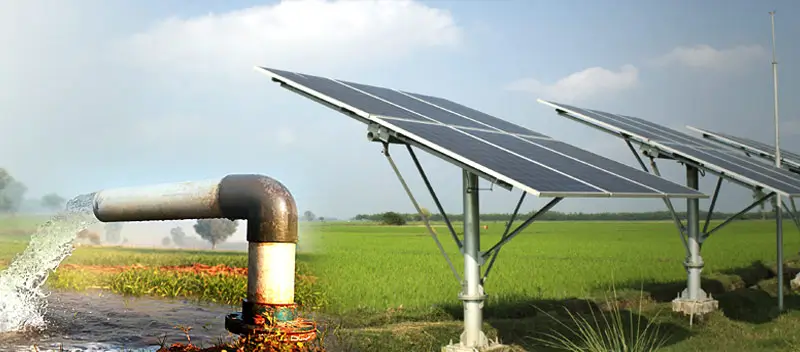
- Installation of standalone solar pumps.
- Ideal for off-grid rural areas.
Component C
- Solarisation of existing grid-connected pumps.
These components ensure flexibility for different types of farmers and irrigation needs.
Subsidy Structure: How Much Farmers Pay
The biggest advantage of the KUSUM scheme is its high subsidy.
Typical Subsidy Breakdown
| Source | Contribution |
|---|---|
| Central Government | ~30% |
| State Government | ~30% |
| Loan Support | ~30% |
| Farmer Contribution | ~10% |
In some states, total subsidy can reach up to 90%, making solar pumps highly affordable.
Apply for KUSUM Solar Pumps
1. Visit Official Portal
Go to the official portal: Apply for PM-KUSUM Scheme
Or visit your state-specific renewable energy website.
2. Register as a Farmer
- Enter Aadhaar number.
- Verify mobile number via OTP.
- Provide basic personal details.
3. Select Scheme Component
Choose from:
- Solar pump installation (Component B).
- Pump solarisation (Component C).
4. Fill Application Form
Provide:
- Land ownership details.
- Irrigation requirements.
- Pump capacity.
5. Upload Required Documents
Common documents include:
- Aadhaar card.
- Land records.
- Bank account details.
- Photograph.
6. Submit Application
- Receive application/registration number.
- Track status online.
7. Verification and Installation
- Field inspection by authorities.
- Approval and subsidy release.
- Installation by authorised vendors.
Farmers are notified via SMS/email after approval.
State-Wise Application: What Changes?
While the central scheme is common, implementation varies by state.
Examples
- Rajasthan: Leading in solar capacity and farmer participation.
- Maharashtra: Offers up to 90–95% subsidy in some cases.
- Uttar Pradesh: Strong adoption with dedicated portals.
States manage:
- Application timelines.
- Vendor selection.
- Additional subsidies.
Benefits for Farmers: Beyond Subsidy
1. Lower Irrigation Costs
Solar pumps eliminate diesel expenses and reduce electricity bills.
2. Daytime Power Availability
Farmers no longer depend on erratic night-time electricity supply.
3. Additional Income Opportunity
Under certain components, surplus solar power can be sold to the grid.
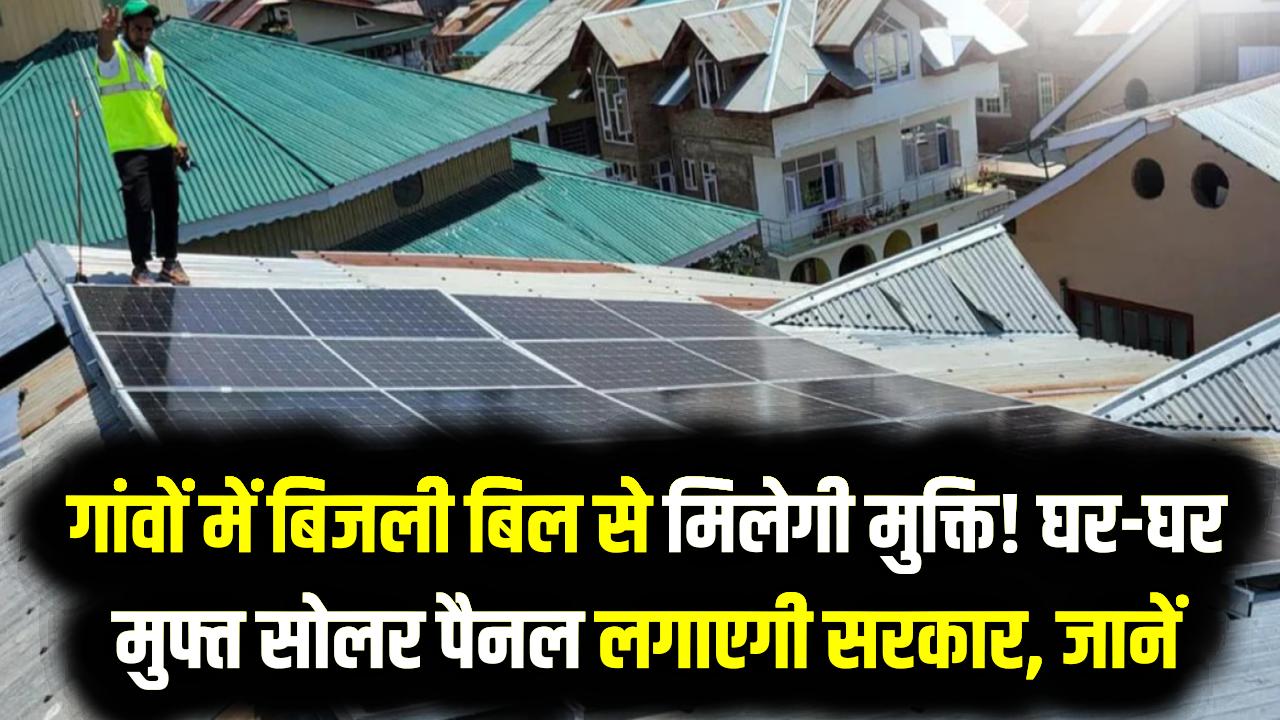
Solar Scheme: गांवों में बिजली बिल से मिलेगी मुक्ति! घर-घर मुफ्त सोलर पैनल लगाएगी सरकार; जानें
4. Long-Term Savings
Solar pumps typically last 20+ years with minimal maintenance.
A recent policy study found solar irrigation can reduce power costs to ₹3–4 per unit compared to ₹6–7 for conventional supply.
Real Farmer Impact: A Ground-Level View
Farmers adopting solar pumps report:
- Reduced dependency on diesel.
- Improved crop yield due to reliable irrigation.
- Lower operational costs.
In some districts, farmers have completely eliminated irrigation fuel expenses after switching to solar systems.
Farmer Success Story: Neetu Mishra
Neetu Mishra, a marginal farmer in Meja (Uttar Pradesh), shared that installing two solar units removed her dependency on costly electricity and diesel. Her monthly irrigation costs dropped by nearly 60%, directly improving her farm’s profitability.
The surplus electricity generated is sold back to the local grid, providing additional income. This success is being replicated across the region.
Challenges in Implementation
Despite its success, the scheme faces several hurdles:
Awareness Gaps
Many farmers are still unaware of application processes.
Financing Issues
Even 10% upfront cost can be a barrier for small farmers.
Land and Grid Constraints
Solar plant installation requires land and grid connectivity.
Execution Delays
Some states face delays in approvals and installations.
KUSUM Scheme Progress and Growth
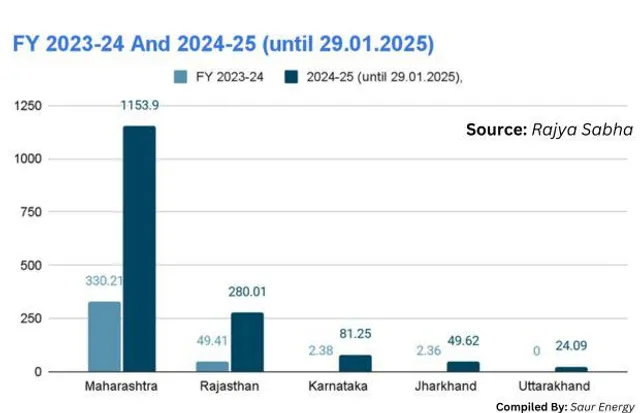
- Over 10 lakh solar pumps installed/solarised.
- Rapid increase in adoption in FY2025.
- Strong pipeline of solar projects.
The scheme is now moving from pilot phase to large-scale implementation.
Future Outlook: What Happens After 2026?
The current phase of PM-KUSUM is expected to evolve into a second phase with:
- More flexible state-level policies.
- Improved financing options.
- Better grid integration.
Experts believe solar irrigation will become a mainstream solution for agriculture in the coming decade.
Related Links
The “Give It Up” Option: When Should You Opt Out of Central Financial Assistance? A 2026 Guide
Tips for Faster Approval
- Apply early (slots fill quickly)
- Ensure correct documents
- Choose appropriate pump capacity
- Follow up with local renewable agency
Accurate applications significantly reduce delays.
The PM-KUSUM solar pump scheme represents a major shift in India’s agricultural energy system. By combining high subsidies with renewable energy, it offers farmers a practical way to reduce costs and improve productivity.
As adoption expands, solar pumps are expected to play a central role in making Indian agriculture more sustainable, affordable, and resilient.