Across Ontario, a quiet energy revolution is unfolding as increasing numbers of homeowners, cottagers, and remote residents are opting for off-the-grid living, empowered by DIY solar-battery kits.
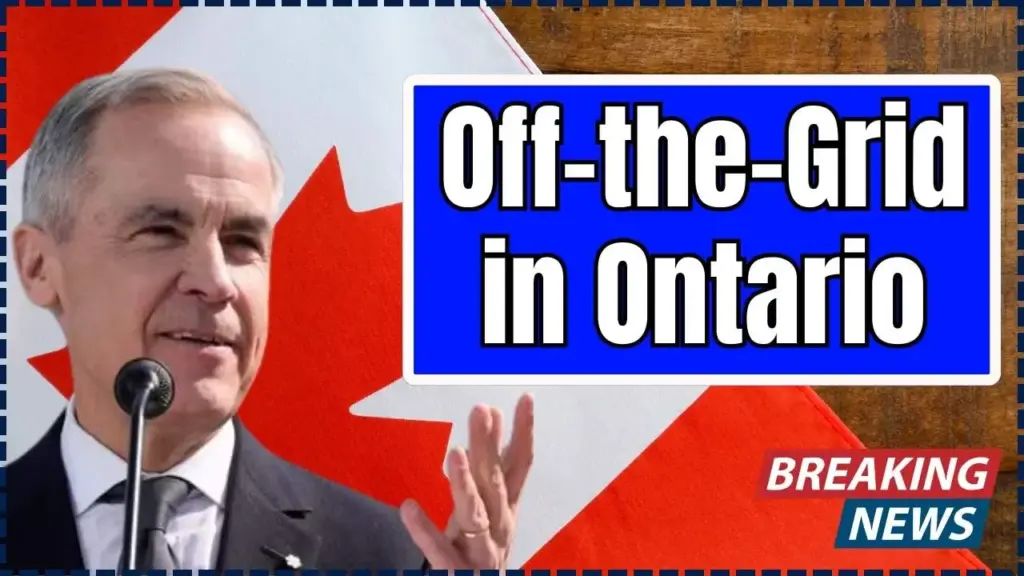
With soaring electricity prices, concerns about energy reliability, and growing environmental awareness, these self-sufficient energy solutions offer an attractive alternative to traditional grid dependency.
In rural areas and remote regions where access to reliable and affordable power can be limited, DIY solar-battery systems are providing independence, stability, and sustainability. By harnessing the sun’s energy through photovoltaic (solar) panels and storing it in batteries, Canadians are finding ways to become less reliant on centralized power systems.
Why DIY Solar-Battery Kits Are Gaining Popularity in Ontario
The growing trend of individuals cutting the cord and relying on solar power to meet their energy needs is being driven by a combination of economic, technological, and social factors. Here are some of the main reasons why Ontario residents are increasingly embracing DIY solar-battery systems.
1. Rising Electricity Costs
Over the past decade, electricity rates in Ontario have steadily increased. According to a report from the Ontario Energy Board (OEB), residential electricity rates have risen by over 50% in the last 15 years.
In 2022, Ontario residents saw a 3.5% increase in electricity rates, which led many homeowners to seek more affordable alternatives. This increase in energy costs has prompted many Ontario residents to look for ways to reduce their dependence on the grid.
DIY solar-battery kits offer a compelling solution, allowing homeowners to generate and store their own electricity. By investing in solar power systems, people can significantly reduce or even eliminate their monthly energy bills.
2. Desire for Energy Independence and Reliability
Beyond the financial savings, many Canadians are motivated by the desire to take control of their energy supply. For those living in remote areas or cottages, grid access can be unreliable and expensive.
Connecting to Ontario’s electrical grid often involves costly infrastructure installations and long waiting times. DIY solar systems, on the other hand, provide an immediate, reliable solution, offering homeowners autonomy and independence from utility companies.
Moreover, severe weather events like ice storms or power outages can cause widespread grid failures. Off-the-grid solar systems equipped with battery storage can provide a reliable backup, ensuring that homes remain powered even during extreme weather conditions.
3. Technological Advancements and Reduced Costs
Over the past decade, technological advancements in both solar panels and battery storage have made off-the-grid solutions more accessible and affordable. The efficiency of solar panels has improved, meaning they now generate more power for the same space.
Additionally, the cost of both solar panels and batteries has dropped significantly, making it possible for homeowners to install a complete off-the-grid system for a fraction of the price it would have cost just a few years ago.
Lithium-ion batteries, in particular, have become more affordable and efficient, allowing homeowners to store solar energy for use during the night or cloudy days.
These advancements mean that even individuals with modest energy needs can now install a reliable solar-battery system without breaking the bank.
4. Environmental Concerns
As global concerns about climate change intensify, many Canadians are choosing to adopt more sustainable lifestyles. Solar energy is a clean, renewable source of power that significantly reduces a household’s carbon footprint.
By transitioning to solar energy, homeowners can reduce their reliance on fossil fuels and contribute to Canada’s goal of achieving net-zero emissions by 2050.
Ontario has set ambitious targets for renewable energy, and residents are increasingly taking it upon themselves to contribute to this effort. By installing solar systems, they are not only reducing their energy costs but also supporting a cleaner, greener future.
The Rise of DIY Solar Systems in Ontario
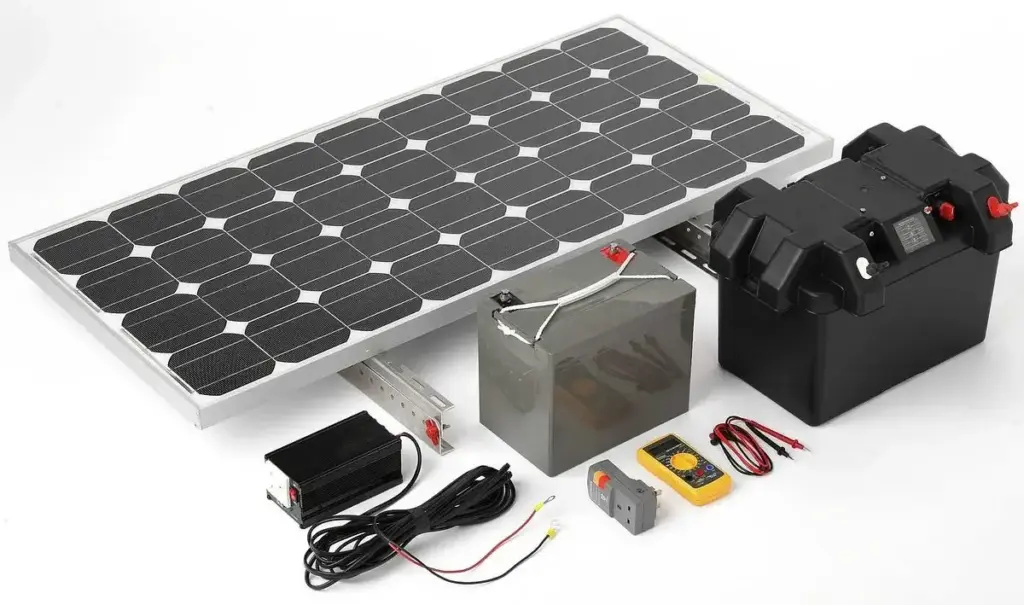
In recent years, a number of Ontario-based companies have emerged, offering DIY solar-battery kits tailored to the needs of homeowners and cottage dwellers. These kits include solar panels, inverters, charge controllers, and batteries, providing all the components needed to create a functional solar power system.
While these systems can be installed by homeowners themselves, many users choose to hire professionals for the more technical aspects of the installation, such as connecting the system to the house’s electrical system.
One such company is Volts.ca, which offers a variety of off-the-grid solar kits for cabins, cottages, and small homes. These kits are designed to be modular and scalable, allowing homeowners to start small and expand their systems as needed.
The kits come with all the necessary components and instructions for easy installation, making it possible for those with basic DIY skills to set up their own renewable energy systems.
Many of these kits are designed to withstand Ontario’s harsh winters, with solar panels rated for snow loads and batteries built to operate in cold temperatures. This adaptability is crucial in regions where winters can bring heavy snow and freezing temperatures.
Social Impact and Community Benefits
While many individuals are embracing off-the-grid living for financial or environmental reasons, the broader community benefits of DIY solar systems should not be overlooked. In rural Ontario, where access to grid infrastructure can be costly or unreliable, off-the-grid living is fostering stronger, more resilient communities.
Residents who transition to solar-powered systems are less dependent on the centralized energy grid, helping reduce strain during peak demand periods.
Moreover, during power outages or other disruptions, off-the-grid homes can continue to function, ensuring that local communities remain self-sufficient in the face of natural disasters or other crises.
In some regions, communities are exploring solar energy-sharing initiatives, where neighbors exchange excess power generated by their individual solar systems. This approach not only helps provide cheaper energy for all but also fosters a spirit of cooperation and mutual support in rural and remote areas.
Challenges and Limitations of Going Off-Grid
While the benefits of DIY solar-battery kits are clear, transitioning to an off-the-grid lifestyle does come with challenges. One major consideration is the initial cost of purchasing and installing the equipment.
Although the prices of solar panels and batteries have decreased, a fully functional solar-battery system can still cost thousands of dollars, making it an investment that not all homeowners can afford upfront.
Additionally, the reliability of an off-the-grid system depends on various factors such as the size of the battery storage, the amount of sunlight available, and the energy demands of the household.
During prolonged periods of cloudy weather, a solar-battery system may not be able to provide enough energy to meet all of a home’s needs, requiring homeowners to supplement with external power sources.
Finally, while the installation process for basic systems can be straightforward, there are regulatory and safety concerns.
Ontario’s building and electrical codes require that certain systems be inspected by licensed professionals. Homeowners must also ensure their systems are appropriately sized and connected to avoid potential risks.
Government Incentives and Policies Supporting Solar Energy
The Ontario government has introduced various programs to encourage the adoption of renewable energy, including solar power. Through the GreenON Program, homeowners have received rebates for installing solar panels, though this program ended in 2018.
Despite this, various other rebates and incentives are available through federal and provincial initiatives, including tax incentives for renewable energy installations.
Furthermore, net metering regulations in Ontario allow homeowners to sell excess energy generated by their solar panels back to the grid, offering some financial relief.
However, there are ongoing discussions about how to adapt policies to better accommodate DIY solar systems, ensuring they are both safe and economically viable for homeowners.
Related Links
The Future of DIY Solar Systems in Ontario
As solar technology continues to evolve, the future of DIY solar-battery kits in Ontario looks promising. Innovations in battery storage and solar panel efficiency will likely reduce the cost of off-the-grid systems even further, making them more accessible to a wider range of Canadians.
Additionally, with the growing demand for renewable energy solutions, local communities may start to see more collaborative approaches to energy generation, including energy-sharing models.
As these systems become more refined, it’s likely that more Ontarians will consider off-the-grid living as a viable, sustainable, and affordable option.
FAQs
Q: What are the benefits of DIY solar-battery kits?
A: DIY solar-battery kits provide homeowners with an affordable, independent energy solution. They help reduce energy bills, offer reliable power during outages, and promote sustainability by using renewable energy.
Q: Are off-the-grid solar systems legal in Ontario?
A: Yes, off-the-grid solar systems are legal in Ontario. However, homeowners must ensure that installations comply with electrical safety codes and, when necessary, consult licensed electricians.
Q: How much does it cost to install a DIY solar system?
A: The cost of installing a DIY solar system in Ontario can range from $5,000 to $15,000, depending on the size of the system and the type of equipment used. However, long-term savings on electricity bills can help offset this initial investment.