2026 is shaping up to be a revolutionary year for solar energy. As perovskite solar cells and tandem technologies move closer to mainstream commercialization, they offer unparalleled efficiency gains and the potential to reduce solar costs significantly.
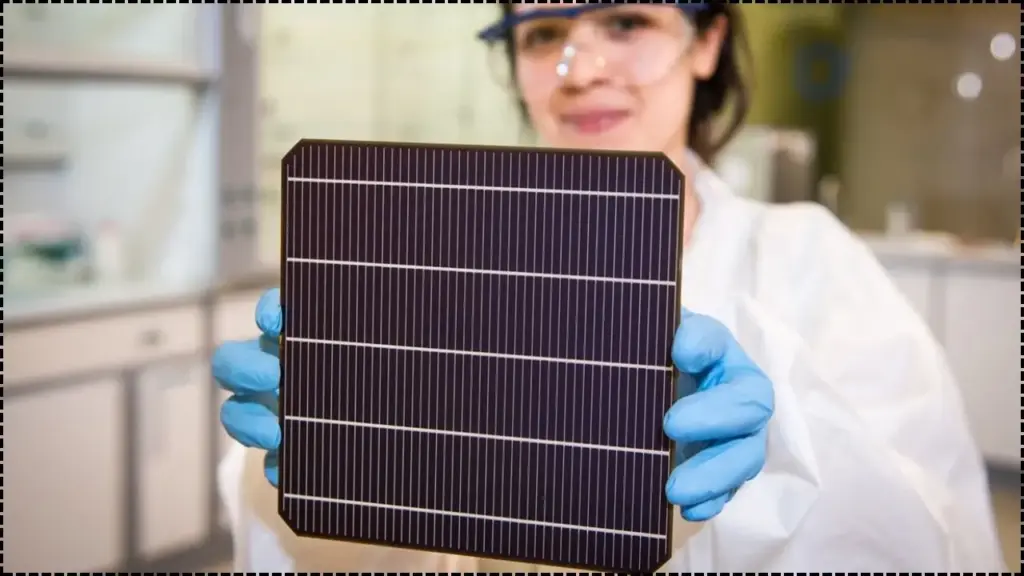
These next-generation solar technologies have the ability to not only outpace silicon in efficiency but also offer a pathway to affordable, clean energy that could redefine the future of solar power. This article explores why 2026 is a key year for perovskite solar cells, how they work, their potential to replace silicon, and the challenges they still face.
Perovskite & Tandem Cells
| Key Fact | Detail/Statistic |
|---|---|
| Perovskite Solar Efficiency | Up to 30% efficiency achieved in lab tests |
| Tandem Cell Breakthroughs | 34.85% efficiency for perovskite-silicon tandems |
| Commercialization Timeline | First commercial perovskite tandem cells projected in 2026 |
The Promise of Perovskite and Tandem Solar Cells
What Are Perovskite Solar Cells?
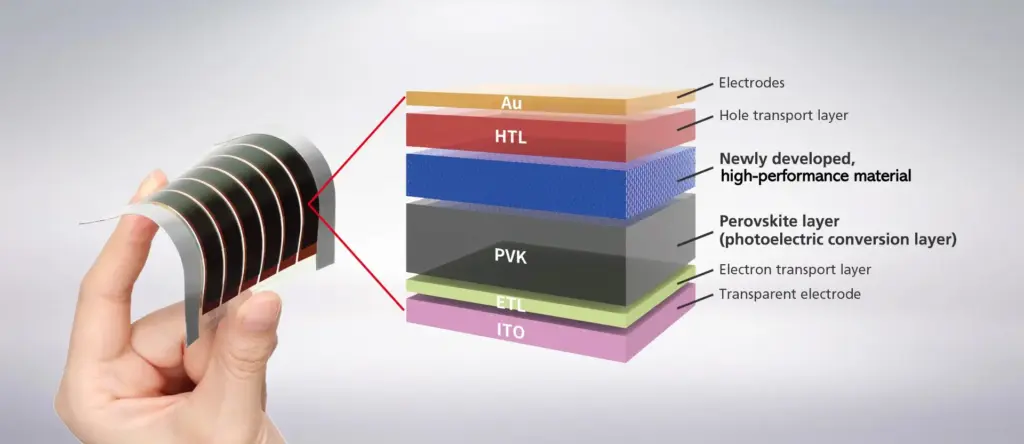
Perovskite solar cells are a class of photovoltaic (PV) cells made from materials with a specific crystal structure known as perovskite. These materials are highly efficient at absorbing light and converting it into electricity. Unlike silicon, perovskite materials can be synthesized easily and cheaply, offering a potential path to low-cost solar panels.
Perovskites also have unique properties, such as broad absorption spectra and the ability to be processed using low-cost solution methods. This makes them a prime candidate for next-generation solar technology, capable of outperforming silicon in specific applications.
Tandem Cells: Breaking the Silicon Barrier
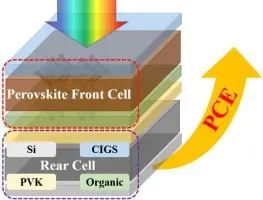
While perovskite solar cells have shown high efficiency in lab settings, the real breakthrough comes with tandem cells. Tandem solar cells stack two or more layers of photovoltaic materials to capture a broader range of the solar spectrum, improving overall efficiency.
For example, a silicon base layer absorbs the infrared portion of sunlight, while a perovskite top layer captures the visible spectrum. This stacked structure allows the cells to harvest more energy than traditional silicon alone.
In 2026, perovskite-silicon tandem cells have broken records, achieving certified efficiencies of 34.85%, surpassing the theoretical limit of silicon and opening the door to higher-performance solar panels.
Why 2026 is Set to Be a Milestone Year
Achieving Record Efficiencies
As of 2026, perovskite-silicon tandem cells are reaching 34.85% efficiency, which sets a new standard for solar energy. This surpasses the maximum theoretical efficiency of traditional silicon-based cells, offering a glimpse into the future where solar panels could be more efficient and cost-effective than ever before.
Scalability and Cost Reduction
Perovskite solar cells are easier and cheaper to produce than silicon. Unlike silicon, which requires high-temperature processes, perovskites can be made through low-cost solution-based processes, offering a much more affordable manufacturing pathway.
The integration of perovskites into silicon-based solar cells also allows the existing silicon supply chain to be leveraged, meaning production scalability could happen more quickly than with completely new technologies.

Commercialization and Industry Readiness
2026 marks the point when commercial perovskite tandem cells are ready to move beyond lab settings into full-scale market deployment.
Companies like Oxford PV are already preparing for large-scale production, promising a future where high-efficiency tandem modules are available to the broader market. This commercial shift will be critical in bringing these breakthrough technologies to consumers at competitive prices.
Key Industry Players and Collaborations
Several key players in the industry are driving the commercial push for perovskite solar cells:
- Oxford PV, a leading developer, has announced that it will start mass-producing perovskite-silicon tandem cells in 2026.
- BASF, Toyota, and Saule Technologies are also collaborating on perovskite research, focusing on improving stability and scalability.
- University of Oxford and Stanford University have made significant strides in enhancing the efficiency and durability of tandem cells through partnerships with manufacturers.
Perovskite and Tandem Cell Recycling
One of the major selling points of perovskite cells is their environmental impact. Perovskites are made from abundant materials that are easier to synthesize than silicon.
Moreover, the recyclability of perovskite and tandem solar cells is a critical aspect of their future adoption. Research is currently underway to ensure that end-of-life disposal of perovskite modules will be environmentally safe and involve minimal waste.
Compared to traditional silicon, which requires intensive mining and energy-consuming processes, perovskites offer a more sustainable alternative in both production and disposal phases.
Global Solar Market Trends and Policy Support
2026 is also marked by a booming global solar market, with perovskite and tandem cells positioned to play a central role in accelerating solar adoption worldwide. Governments around the world, including in the EU, US, and China, are increasing support for next-gen photovoltaics:

PM Surya Ghar Yojana में बड़ा बदलाव! अब इन उपभोक्ताओं से नहीं लिया जाएगा आवेदन शुल्क और मीटर चार्ज
- The EU Green Deal and Fit for 55 package provide substantial financial support for high-efficiency solar technologies like perovskite.
- The US Inflation Reduction Act includes provisions for solar investment, and China has pledged to invest billions into advanced solar technology.
This policy support is vital for the widespread commercial deployment of perovskite solar cells. With government backing, manufacturers are incentivized to scale up production and meet growing demand.
Comparison of Solar Cell Technologies
| Technology | Efficiency | Advantages | Challenges |
|---|---|---|---|
| Silicon | 22-26% | Mature, widely adopted, reliable | Limited efficiency ceiling |
| Perovskite | 20-30% (lab results) | Low-cost production, high absorption efficiency | Stability under environmental stress |
| Tandem (Perovskite-Silicon) | 34.85% (record) | Breaks efficiency limits, utilizes silicon’s strength | Integration challenges, production scalability |
| Organic PV | ~15-18% | Lightweight, flexible, low-cost production | Low efficiency, short lifespan |
Related Links
Austria’s EAG Grant 2026: Secure Your Funding for Solar Systems Up to 20kWp
2kW Solar Setup? Here’s Why It Might Be the Biggest Mistake You Make for Your Home
The Road Ahead: Future Milestones in Perovskite Solar Development
Looking ahead, 2026 will be a pivotal year, but 2027-2030 will be crucial for full market integration. Milestones for the next few years include:
- 2027: Large-scale perovskite tandem cells reach competitive retail prices.
- 2030: Mass adoption of perovskite and tandem cells globally, with perovskite technology contributing 20-30% of global solar market share.
Silicon Isn’t Dead — But the Future Is Tandem
The future of solar power lies in perovskite and tandem solar cells, which have demonstrated unprecedented efficiencies and the potential to dramatically lower solar energy costs. 2026 marks a significant milestone in their commercialization, with tandem cells ready to reshape the solar industry.
While silicon will still have a strong role in the energy market, perovskite-based technologies are the key to unlocking higher efficiencies and more affordable solar solutions. The perovskite revolution is here, and 2026 will go down as the year when solar technology achieved unimaginable heights.