
The rapid emergence of plug-in solar systems—compact photovoltaic units designed to connect directly to household electrical outlets—has sparked an increasingly visible debate between renewable energy advocates and traditional electric utilities.
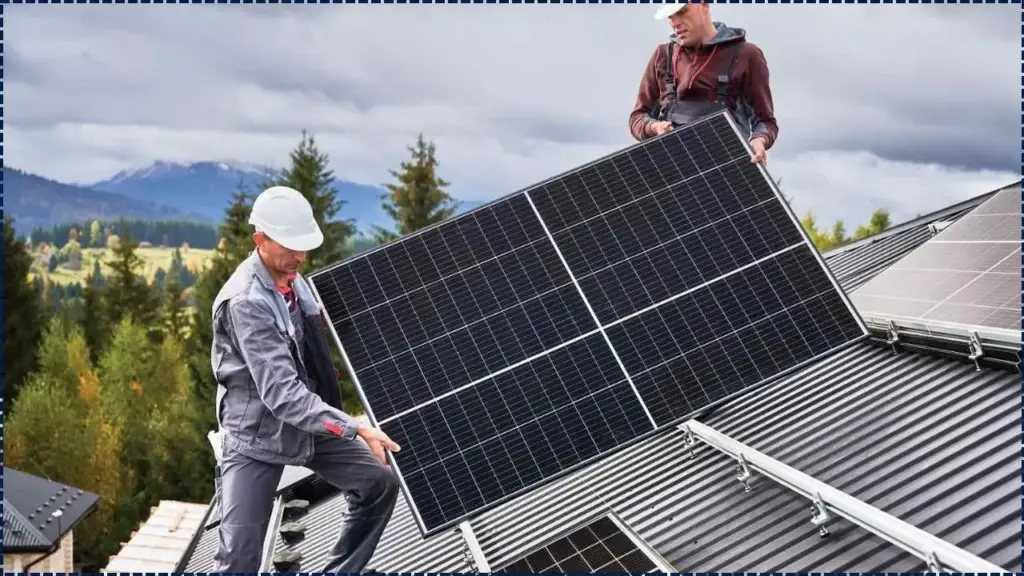
Supporters argue that the technology could dramatically expand access to solar power by eliminating installation barriers and lowering costs. Utilities and regulators, however, warn that widespread adoption may raise safety concerns, complicate grid management, and disrupt long-standing electricity business models.
The tension reflects a broader transformation in energy systems worldwide. As renewable technologies become smaller, cheaper, and easier to install, households are beginning to generate electricity themselves rather than relying entirely on centralized power plants.
For utilities accustomed to managing one-way energy flows, plug-in solar represents both a technological shift and an economic challenge.
The Battle for Plug-in Solar
| Key Fact | Detail |
|---|---|
| Plug-in solar systems | Small photovoltaic systems that plug directly into home outlets |
| Typical system output | Usually 200–1,600 watts of electricity |
| European adoption | Germany has installed more than one million balcony solar systems |
| U.S. regulatory barriers | Most states require permits or utility approval |
Understanding Plug-in Solar Technology
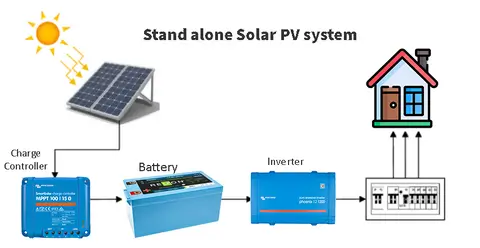
Plug-in solar systems—often referred to as balcony solar or plug-and-play solar—typically consist of three key components:
- Photovoltaic panels that convert sunlight into electricity
- A micro-inverter that converts direct current into usable alternating current
- A standard electrical plug connecting the system to a household circuit
Once connected, electricity generated by the panels flows into the home’s wiring and powers appliances or electronics. Unlike traditional rooftop solar installations, which may require permits, structural analysis, and professional electricians, plug-in systems are designed to operate on a much smaller scale.
Most systems produce between 200 and 800 watts, although larger units can reach about 1,600 watts under favourable conditions. This level of output will not power an entire house, but it can offset a portion of electricity consumption, particularly during daylight hours.
Why Plug-in Solar Is Gaining Popularity
Plug-in solar systems are attracting attention because they remove several barriers associated with conventional solar energy adoption. Traditional rooftop solar installations often involve:
- Engineering assessments
- Electrical permits
- Professional installation crews
- High upfront costs
These requirements can raise the price of residential solar systems into the tens of thousands of dollars. Plug-in systems, by contrast, can cost a few hundred dollars and require minimal technical expertise to install.
Advocates argue that this simplicity could dramatically expand access to renewable energy, particularly for renters and apartment residents who cannot install rooftop panels.
“Plug-in solar opens the door to millions of households that have historically been excluded from rooftop solar programs,” said Gabe Phillips, policy director at the advocacy group Solar United Neighbors.
A Global Technology Trend
Although plug-in solar remains relatively rare in the United States, it has gained significant traction in parts of Europe. Germany has become the most prominent example.
The country introduced simplified rules for balcony solar systems several years ago, allowing households to connect small photovoltaic devices directly to electrical outlets without complex approval processes. As a result, adoption increased rapidly.
Energy researchers estimate that more than one million balcony solar systems had been installed across Germany by 2024. These systems are now widely available through hardware stores and online retailers, making them one of the fastest-growing forms of distributed renewable energy in Europe.
The Regulatory Challenge in the United States
In the United States, regulatory frameworks for plug-in solar remain fragmented. Many utilities treat small plug-in devices the same way they treat large rooftop solar installations. That means homeowners must often file interconnection applications, obtain permits, and schedule electrical inspections.
Advocacy groups argue that these requirements effectively eliminate the convenience that plug-in solar promises. The World Resources Institute (WRI) has warned that regulatory barriers could slow adoption of a technology that might otherwise expand renewable energy access.
“Small plug-in systems are being regulated as if they were commercial solar installations,” WRI researchers wrote in a recent policy analysis.
Utah became the first U.S. state to create a legal category for plug-in solar systems in 2025, allowing devices below certain size limits to connect without complex interconnection procedures. Other states are now evaluating similar proposals.
Utilities Raise Safety Concerns
Electric utilities say their resistance is not simply about protecting business models. They argue that plug-in solar systems raise legitimate technical questions about safety and grid stability.
One concern involves backfeeding, where electricity generated by the solar panels flows back toward the grid. If not properly managed, this could create hazards for line workers repairing power lines after outages.
Another concern involves the potential for overloaded electrical circuits within homes. Critics argue that if plug-in solar systems are improperly installed or used with incompatible wiring, they could create electrical hazards.
However, manufacturers and solar advocates say modern devices include several safety protections. These include:
- Anti-islanding inverters, which shut down automatically during outages
- Certified electrical components meeting safety standards
- Built-in circuit protections
Researchers studying distributed energy technologies say these safety features can mitigate many potential risks when systems are installed according to manufacturer guidelines.
The Economic Impact on Utilities
Beyond engineering concerns, plug-in solar systems raise economic questions about the future of electricity markets. Utilities generate revenue primarily by selling electricity to customers. When households produce their own power, they purchase less electricity from the grid.
This dynamic has already led to conflicts over net metering policies, which compensate homeowners for excess solar electricity sent back to the grid. Plug-in solar could further complicate this issue by enabling thousands or millions of households to become small energy producers.
“Distributed energy resources are changing the traditional relationship between utilities and customers,” said Dr. Daniel Kammen, an energy researcher at the University of California, Berkeley.
“This transformation raises important questions about how utilities recover the costs of maintaining grid infrastructure.”
Energy Equity and the Case for Plug-in Solar
Supporters of plug-in solar argue that the technology could improve equity in the energy transition. Rooftop solar installations are often concentrated among higher-income homeowners with access to financing and suitable rooftops.
Renters and residents of multi-unit housing often cannot participate in such programs. Plug-in systems offer a simpler alternative. Because they require no structural modifications, renters can install them temporarily and remove them when they move.
Energy policy analysts say expanding access to small solar systems could help reduce electricity costs for households with limited resources.
Engineering the Future Grid
The debate over plug-in solar also highlights broader challenges in modernizing electricity grids. Traditional grids were designed for centralized power generation, with electricity flowing from large power plants through transmission lines to consumers.
Distributed technologies such as rooftop solar, home batteries, and electric vehicles are transforming that model.
Experts say integrating millions of small energy sources will require new monitoring tools and smart-grid technologies. Advanced grid systems could eventually allow utilities to manage distributed energy resources more efficiently.
The Role of Home Batteries and Smart Energy Systems
Plug-in solar systems may also become more powerful when combined with other emerging technologies. Home battery systems allow households to store solar electricity for later use, increasing the value of small solar installations.
Smart energy management systems can also optimise how electricity is consumed within a home. These technologies together could create a new generation of decentralized energy systems in which homes act as both consumers and producers of electricity.
Related Links
Beyond the Roof: Top 5 US urban solar trends transforming city living in 2026
Net Metering Changes: What the new grid regulations mean for your solar savings
The debate over plug-in solar systems illustrates the tension between emerging decentralized energy technologies and traditional electricity infrastructure. As renewable energy becomes more affordable and accessible, policymakers, utilities, and consumers must determine how best to integrate these innovations into existing power systems.
Whether plug-in solar becomes a mainstream energy solution will likely depend on how regulators balance safety, grid reliability, and the growing demand for simpler renewable energy technologies.
FAQs
What is plug-in solar?
Plug-in solar refers to small photovoltaic systems that connect directly to a household electrical outlet and generate electricity for home use.
Why are utilities concerned about plug-in solar?
Utilities cite safety risks, grid management challenges, and potential impacts on electricity revenue.
How much electricity can plug-in solar produce?
Most systems generate between 200 and 1,600 watts, enough to power small appliances or reduce electricity bills.
Are plug-in solar systems legal everywhere?
Regulations vary by region. Some countries and states allow them easily, while others require permits or utility approval.