
French renewable energy developer Technique Solaire has commissioned a 2.8-megawatt peak (MWp) solar project in Haryana, India, marking the first phase of a larger decentralized solar development under the government’s Pradhan Mantri Kisan Urja Suraksha evam Utthaan Mahabhiyan (PM-KUSUM) program.
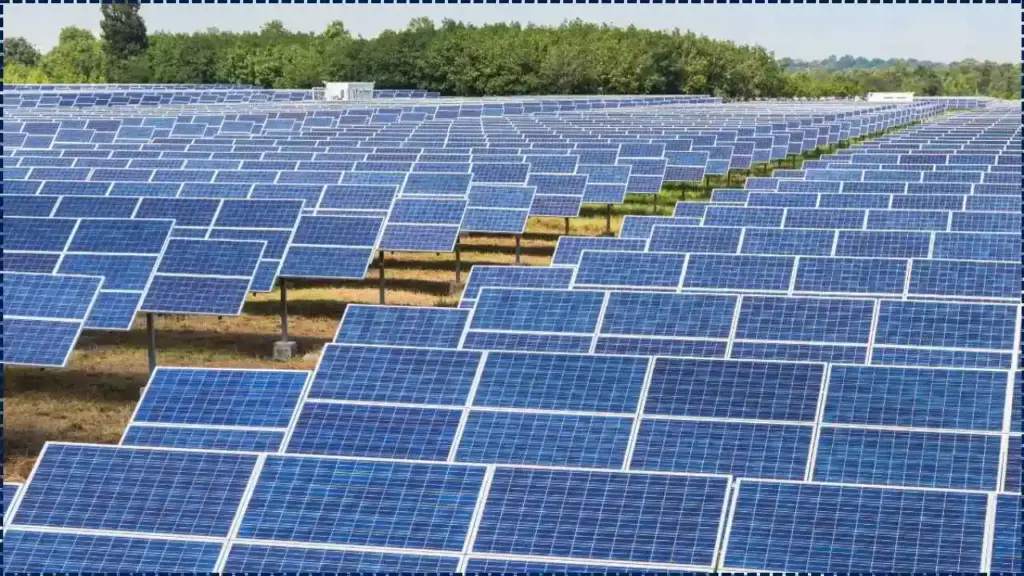
The project aims to expand rural renewable electricity generation and support farmers’ energy needs while advancing India’s clean-energy transition.
2.8 MWp Solar Project in Haryana
| Key Fact | Detail |
|---|---|
| Solar project capacity | 2.8 MWp commissioned in Haryana |
| Total planned portfolio | 16.8 MWp decentralized solar project |
| Annual electricity output | Estimated 26.4 million kWh when fully operational |
| National program | Developed under PM-KUSUM solar initiative |
Technique Solaire Expands Its Renewable Energy Footprint in India
The commissioning of the Haryana solar plant represents another milestone for Technique Solaire, a renewable energy developer headquartered in France with projects across Europe, India, and other international markets.
The newly operational 2.8 MWp facility forms part of a larger 16.8 MWp solar portfolio currently under development in Haryana. When all phases are completed, the project is expected to produce approximately 26.4 million kilowatt-hours of electricity annually, according to company projections.
Executives present at the commissioning ceremony included Manu Bishnoi, managing partner of Technique Solaire India, Vincent Balès, international director, and Édouard Dazard, investment director.
The company said the project reflects its long-term commitment to expanding renewable energy infrastructure in India. India has become a key market for international renewable developers due to the country’s ambitious solar expansion targets and growing electricity demand.
Technique Solaire currently operates more than 210 MWp of solar capacity in India, making the country one of the company’s largest international markets outside Europe.
Understanding the PM-KUSUM Program
The Haryana project has been developed under the Pradhan Mantri Kisan Urja Suraksha evam Utthaan Mahabhiyan (PM-KUSUM) program, a major national initiative launched by the Government of India in 2019.
The scheme aims to increase renewable energy generation in rural areas while improving farmers’ access to reliable electricity for irrigation and agricultural operations. PM-KUSUM has three primary components:
Component A: Decentralized Solar Plants
This component encourages installation of grid-connected solar plants up to 2 MW capacity on barren or agricultural land near rural substations.
Electricity generated by these plants is sold to local distribution companies through long-term power purchase agreements.
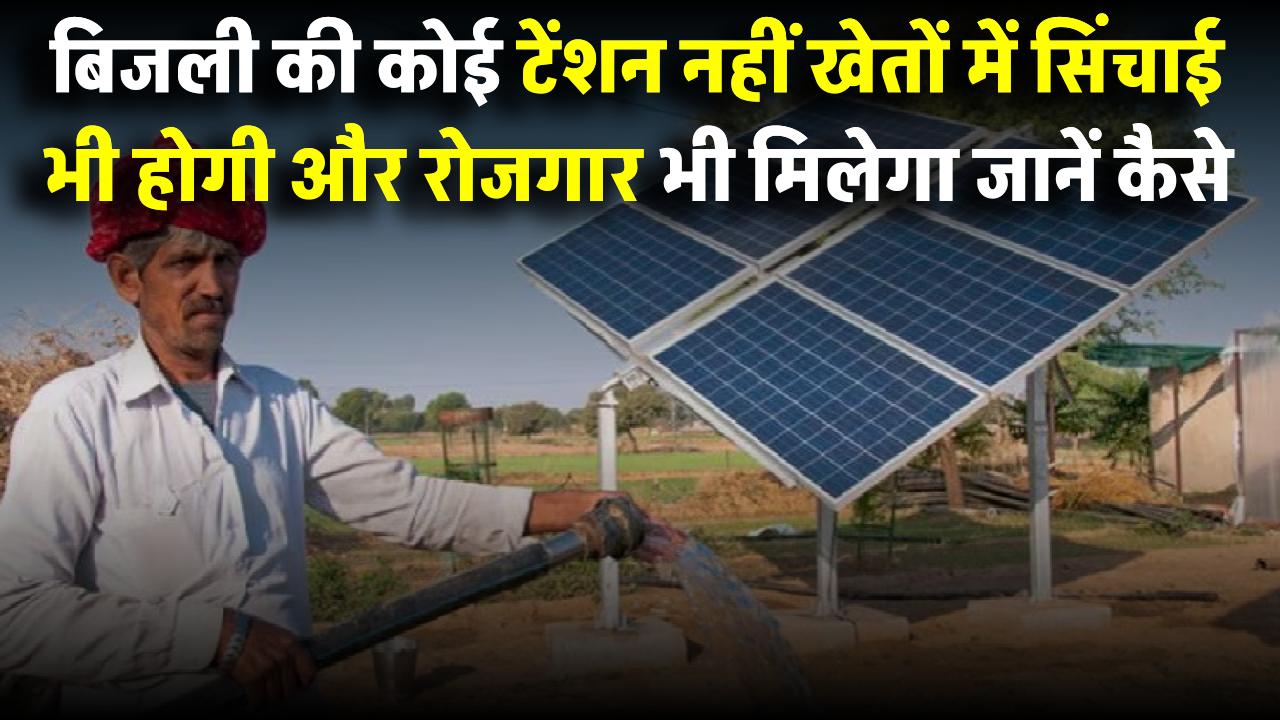
Component B: Standalone Solar Pumps
The government provides financial assistance to install standalone solar-powered irrigation pumps in areas without reliable grid electricity.
Component C: Solarization of Grid-Connected Pumps
Existing grid-connected agricultural pumps are equipped with solar panels, allowing farmers to use solar energy for irrigation and sell surplus electricity to utilities. Government subsidies and financial incentives support these projects, making solar energy adoption more affordable for farmers and rural communities.
Haryana’s Renewable Energy Strategy
Haryana has emerged as an active participant in the PM-KUSUM initiative. The state government has directed energy agencies to accelerate the deployment of solar irrigation pumps and decentralized solar projects to improve electricity reliability in rural areas.
Agriculture accounts for a significant share of electricity consumption in northern India. Solar power offers an alternative to diesel-powered irrigation pumps and reduces pressure on state electricity distribution networks.
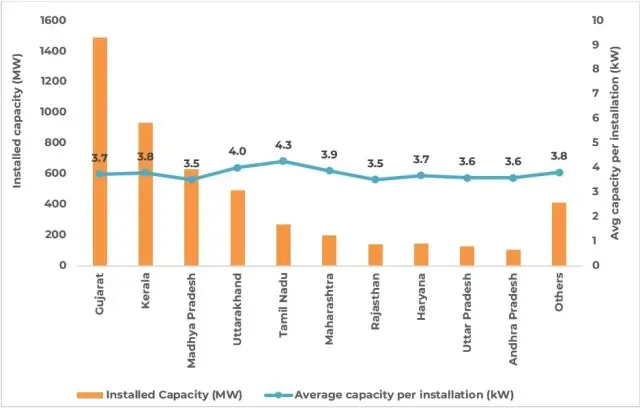
Haryana officials have also expanded rooftop solar initiatives and decentralized renewable energy solutions across villages. These policies align with India’s broader goal of achieving 500 gigawatts of renewable energy capacity by 2030. Solar energy is expected to play a central role in reaching that target.
Economic Benefits for Farmers
Decentralized solar plants under PM-KUSUM can provide economic benefits for farmers and rural landowners. Landowners can lease unused or fallow land for solar installations, generating additional income without disrupting agricultural activity.
Farmers participating in solar pump programs also benefit from reduced fuel costs. Diesel-powered irrigation pumps are widely used in agricultural regions but can be expensive to operate.
Solar pumps eliminate fuel costs and reduce greenhouse gas emissions associated with diesel combustion. Energy economists say these initiatives can strengthen rural economies while improving energy security.
Financing and Investment in Decentralized Solar
Developing decentralized solar projects requires coordination between developers, financial institutions, and government agencies. Under PM-KUSUM, the central government provides financial assistance covering a portion of project costs.
State governments may offer additional incentives or support. Private developers such as Technique Solaire typically invest in the construction and operation of solar plants and recover costs through long-term electricity sales agreements with distribution companies.
Financial institutions also play an important role in providing project financing. India’s growing renewable energy market has attracted significant investment from domestic banks, international investors, and infrastructure funds.
India’s Rapid Solar Energy Expansion
India has emerged as one of the world’s fastest-growing solar energy markets over the past decade. Government initiatives such as the National Solar Mission have helped accelerate solar capacity expansion across the country.
Originally launched in 2010, the mission aimed to establish India as a global leader in solar energy deployment. The country has since dramatically increased its solar capacity through large solar parks, rooftop installations, and decentralized renewable programs.
India’s solar capacity now exceeds 100 gigawatts, reflecting strong policy support and falling technology costs. Analysts expect solar energy to account for an increasingly large share of India’s electricity mix in the coming decades.
Solar Manufacturing and Supply Chains
The expansion of solar energy projects in India has also stimulated domestic manufacturing. Government policies encourage local production of solar modules and components through initiatives such as production-linked incentive (PLI) schemes.
Domestic manufacturing reduces reliance on imported solar equipment while strengthening supply chains for renewable energy projects. However, India continues to rely on imports for certain components, particularly photovoltaic modules.
Industry experts say developing a resilient domestic supply chain will be critical as solar deployment accelerates.
Grid Integration Challenges
While decentralized solar projects offer many benefits, integrating renewable energy into existing electricity grids can present technical challenges. Electricity distribution companies must manage variable solar power output while maintaining grid stability.
Upgrading transmission infrastructure and implementing smart grid technologies will be necessary to accommodate higher shares of renewable energy. Energy storage systems may also play an important role in balancing electricity supply and demand as solar generation increases.
India’s energy planners are increasingly exploring battery storage and grid modernization strategies to support renewable energy expansion.
Global Comparisons: Decentralized Solar Programs
India’s decentralized solar initiatives share similarities with programs in other countries. In Europe, community solar projects allow residents to invest in renewable energy installations and receive credits on their electricity bills.
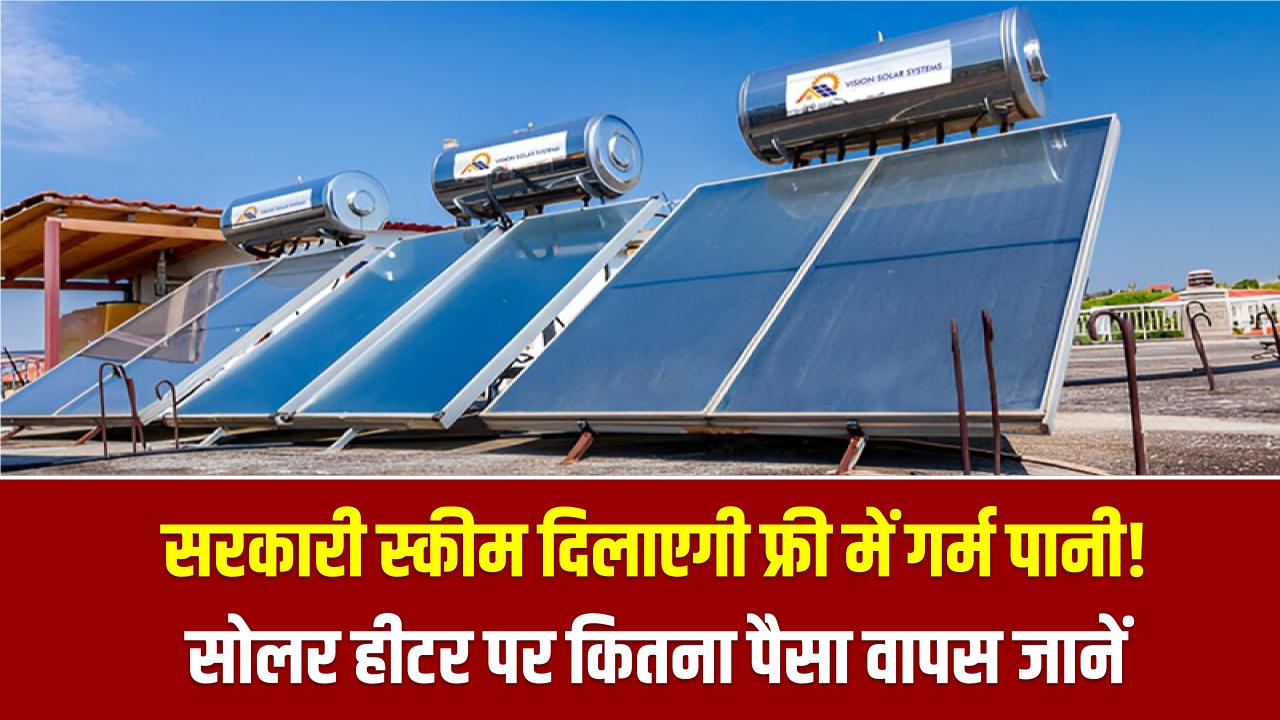
ये सरकारी स्कीम दिलाएगी फ्री में गर्म पानी! 100 लीटर सोलर हीटर पर कितना पैसा वापस मिल रहा है? जानें
In the United States, community solar farms enable households without rooftop access to participate in renewable energy programs. These models demonstrate the growing importance of distributed renewable energy systems in global energy transitions.
India’s PM-KUSUM program represents one of the largest decentralized solar initiatives in the world.
Expert Perspectives on Distributed Solar
Energy researchers say decentralized solar systems can improve energy access and grid resilience. “Distributed renewable energy projects help bring power generation closer to consumers,” said Dr. Ajay Mathur, former director general of the International Solar Alliance (ISA).
Experts also note that agricultural solar programs can reduce pressure on electricity distribution networks during peak irrigation periods. By generating electricity locally, decentralized solar plants can minimize transmission losses and improve reliability.
Related Links
From PM Surya Ghar to Green Hydrogen: Assessing India’s Solar Roadmap
India’s ‘Solar Bet’ Amidst Global Energy Crisis: Will Power Prices Rise?
Future Outlook for Solar Development in Haryana
With the commissioning of the first 2.8 MWp unit, Technique Solaire’s project represents an early step toward expanding decentralized solar generation in Haryana. Additional phases of the company’s 16.8 MWp project are expected to be completed in the coming months.
Energy analysts say decentralized solar projects will continue to play a growing role in India’s renewable energy strategy. Programs such as PM-KUSUM aim not only to increase solar capacity but also to create economic opportunities for rural communities.
As solar technology costs continue to decline and policy frameworks evolve, similar projects may expand across agricultural regions nationwide.
FAQs
What is PM-KUSUM?
PM-KUSUM is a government program launched in 2019 to promote solar energy adoption in agriculture through solar pumps and decentralized solar plants.
What capacity was commissioned in Haryana?
Technique Solaire commissioned a 2.8 MWp solar power plant, part of a planned 16.8 MWp solar portfolio in the state.
How does the project benefit farmers?
Farmers can lease land for solar installations and reduce irrigation costs through solar-powered pumps.
Why are decentralized solar projects important?
Decentralized solar plants generate electricity closer to consumption points, improving energy reliability and reducing transmission losses.