
Tokenized solar investing is gaining traction in 2026 as blockchain technology enables fractional ownership of solar farms through digital tokens and NFTs.
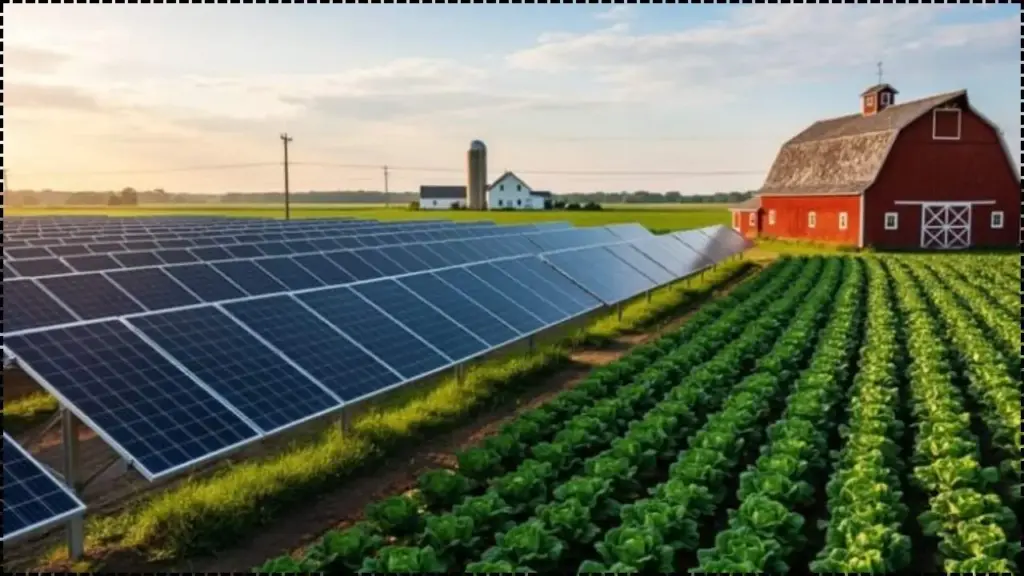
The model is drawing global attention for expanding access to renewable energy investments, though regulators and analysts caution that risks remain in this emerging sector.
Investing in Solar Farms via Fractions
| Key Fact | Detail | Context |
|---|---|---|
| Entry barrier | As low as $50–$500 in some platforms | Expands retail access |
| Revenue source | Electricity sales, PPAs, carbon credits | Real-world yield |
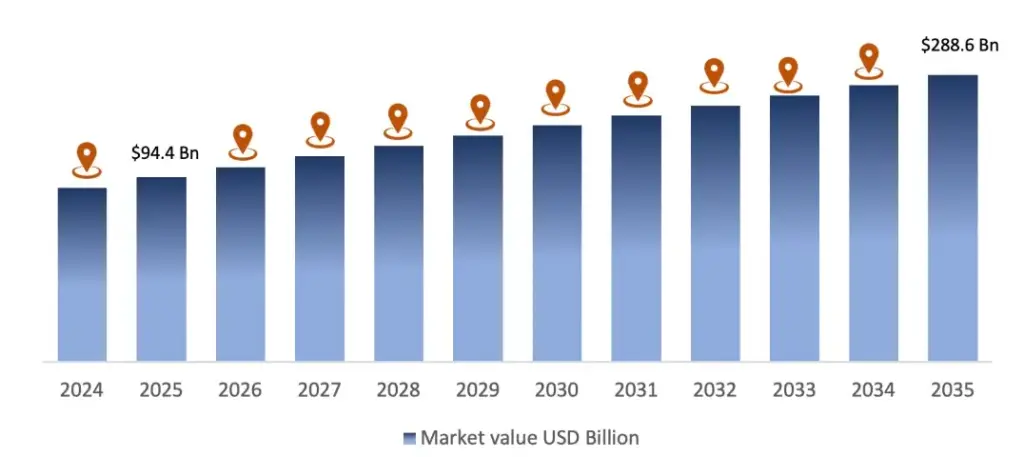
| Market trend | Rapid growth in tokenized RWAs since 2024 | Driven by blockchain adoption |
| Risk level | Moderate to high | Early-stage market |
Tokenized solar investing represents a convergence of clean energy and financial innovation, offering new ways to fund infrastructure and broaden investor access. While the model holds promise, its long-term success will depend on regulatory clarity, market maturity, and investor confidence.
As one energy policy expert noted, “The concept is powerful—but execution will determine whether it becomes mainstream or remains experimental.”
What Is Tokenized Solar Investing?
Tokenized solar investing refers to the conversion of solar energy assets into digital tokens that represent ownership stakes or revenue rights. These tokens are issued on blockchain platforms and can be bought and sold by investors globally.
The concept is part of a broader shift toward real-world asset (RWA) tokenization, where physical assets are digitized to improve accessibility and liquidity.
As outlined in the briefing document , this model combines renewable energy financing with blockchain infrastructure, allowing investors to participate in solar projects without owning physical infrastructure directly.
How Tokenized Solar Projects Operate
Asset Tokenization
Developers divide a solar farm into fractional units, each represented by a token or NFT. These units correspond to:
- Ownership shares.
- Revenue entitlements.
- Energy production rights.
Revenue Generation
Returns are derived from real-world activities, including:
- Electricity sales to utilities or corporations.
- Long-term Power Purchase Agreements (PPAs).
- Renewable energy credits and carbon markets.
Unlike speculative crypto assets, returns depend on operational performance.
Automated Distribution
Smart contracts are used to distribute earnings periodically, often monthly or quarterly, directly to token holders.
Why 2026 Marks a Turning Point
Growth of Real-World Asset Tokenization
Industry analysts estimate that tokenized real-world assets could reach trillions of dollars in value over the next decade. Renewable energy is emerging as a key segment within this trend.
Increased Demand for Green Investments
Global climate commitments are accelerating capital flows into renewable energy. Tokenization provides an additional funding channel.
Technological Maturity
Blockchain infrastructure has improved significantly since 2020, enabling:
- Faster transactions.
- Lower costs.
- Better security frameworks.
Retail Investor Participation
Platforms now allow individuals to invest with relatively small amounts, opening infrastructure markets to a wider audience.
Real-World Use Cases and Early Projects
Several pilot projects and startups have begun implementing tokenized solar models:
- Community solar initiatives in Europe offering fractional ownership.
- Blockchain-based energy trading platforms in Southeast Asia.
- U.S.-based startups experimenting with tokenized renewable portfolios.
While still limited in scale, these projects demonstrate growing interest across regions.
Comparing Tokenized Solar to Traditional Investments
| Investment Type | Minimum Investment | Liquidity | Risk Profile |
|---|---|---|---|
| Solar farms (direct) | Very high | Low | Moderate |
| Green bonds | Moderate | High | Low |
| Yieldcos | Moderate | Medium | Moderate |
| Tokenized solar | Low | Variable | Moderate to High |
Tokenized solar stands out for accessibility but lags in regulatory clarity and liquidity.
Benefits Highlighted by Industry Advocates
Broader Access to Infrastructure
Tokenization lowers the entry barrier, enabling participation from retail investors globally.
Passive Income Linked to Real Assets
Returns are tied to electricity generation rather than purely speculative trading.
Transparency
Blockchain records provide visibility into transactions and ownership.
Global Capital Mobilization
Projects can attract funding from international investors without traditional intermediaries.
Risks and Challenges
Regulatory Uncertainty
Legal frameworks differ widely. In many jurisdictions, it remains unclear whether tokens qualify as securities.
Platform Dependence
Investors rely on project developers and platform operators for execution and reporting.
Limited Liquidity
Secondary markets exist but are often thinly traded.
Technology Risks
Smart contract vulnerabilities and cybersecurity threats remain concerns.
Potential Misleading Claims
Experts warn that some projects may overstate returns or underplay risks.
Regulatory Landscape: A Global Snapshot
United States
Regulators such as the Securities and Exchange Commission (SEC) are increasingly scrutinizing tokenized assets under securities laws.
European Union
The Markets in Crypto-Assets (MiCA) framework aims to standardize regulation across member states.
India
India’s regulatory stance remains cautious, with ongoing discussions around crypto classification and investor protection. Analysts say regulatory clarity will be a decisive factor in the sector’s growth.
Investor Perspectives
Retail investors are drawn to the combination of sustainability and income potential. “It feels like owning a piece of the energy transition,” said one early participant in a European tokenized solar project.
Institutional investors, however, remain cautious.“Until there is clear regulation and proven scalability, this will remain a niche allocation,” said a portfolio manager at a global asset firm.
Related Links
Solar System Secrets: Install Your Fronius Inverter Like a Pro and Maximize Output!
Do Solar Panels Need Maintenance? You’ll Be Surprised What Most Owners Don’t Know!
Industry Outlook
Experts agree that tokenized solar investing is still in its early stages but could expand significantly if key challenges are addressed. Key factors shaping its future include:
- Regulatory clarity.
- Market liquidity.
- Project transparency.
- Technological reliability.
FAQs
What makes tokenized solar different from crypto investing?
It is backed by real-world assets and revenue streams rather than purely speculative value.
Are returns stable?
They may be more stable than crypto assets but are still subject to operational and market risks.
Is this legal everywhere?
No. Regulations vary significantly by country.
Who should consider investing?
Investors with an understanding of both renewable energy and blockchain risks.