Governments and research institutions are testing dynamic wireless charging, a technology that allows electric vehicles to recharge while driving. Pilot projects in the United States and Europe suggest the system could reshape EV infrastructure.
Supporters see long-term climate and economic benefits. Critics warn that costs, grid capacity, and regulatory hurdles remain significant.
What Is Dynamic Wireless Charging?
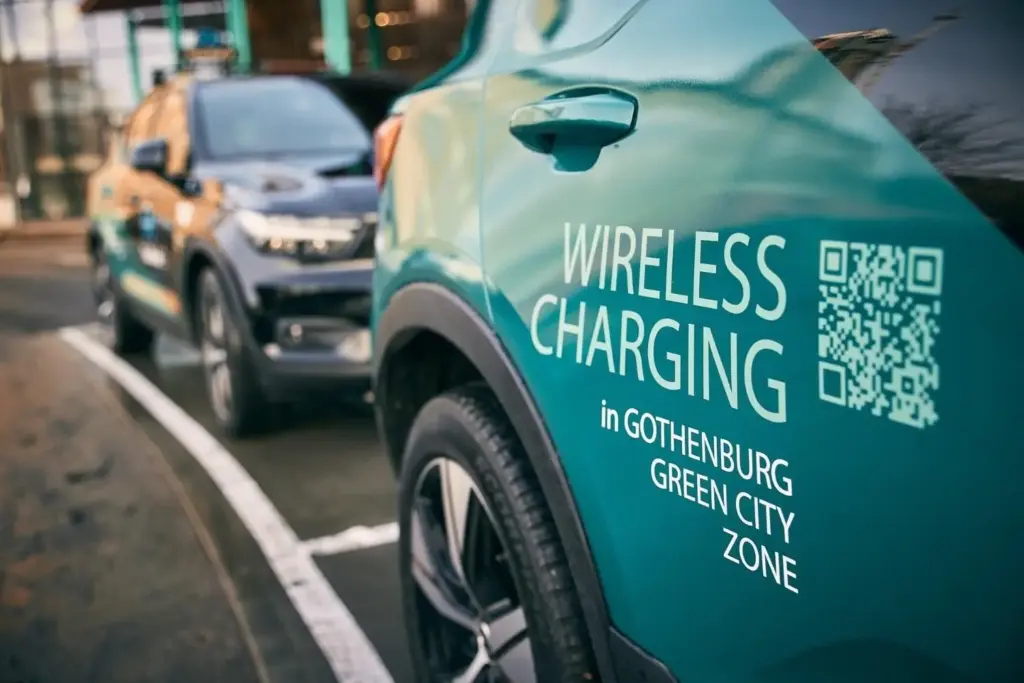
Dynamic wireless charging uses electromagnetic induction to transfer electricity from coils embedded beneath a road to a receiver installed in a moving electric vehicle. The system is a scaled-up version of wireless phone charging. When the vehicle passes over energized coils, power flows wirelessly into the battery.
This form of wireless electric vehicle charging differs from static wireless charging, which powers cars while parked. Dynamic systems operate at highway speeds.
The U.S. Department of Energy (DOE) defines the technology as part of advanced transportation electrification research aimed at reducing charging downtime and improving EV usability.
A Technology Decades in Development
Inductive power transfer is not new. Engineers began studying it in the late 19th century. Early modern EV charging experiments began in the 1990s, including limited trials in California. However, efficiency losses, cost barriers, and limited battery performance delayed broader deployment.
Advances in power electronics, semiconductor design, and battery chemistry over the past decade have revived interest. Researchers now report transfer efficiencies approaching 85–92% under controlled conditions.
Pilot Projects Move From Research to Roadways
Several countries have built test corridors.
In Indiana, Purdue University, working with the Indiana Department of Transportation, installed a quarter-mile test segment capable of wirelessly charging heavy trucks at highway speeds. The project demonstrated power levels comparable to fast plug-in chargers.
“This technology can reduce the need for large batteries in commercial fleets,” said Steve Pekarek, a Purdue engineering professor, during a public demonstration.
Sweden has tested electrified roadways for freight vehicles since 2018. France recently launched a multi-kilometer pilot designed to test high-power charging under real-world traffic conditions.
Israel and South Korea have focused on electrified bus routes. These systems aim to reduce battery size and extend operating hours for public transit fleets.
Why Policymakers Are Paying Attention
Transportation produces about 29% of U.S. greenhouse gas emissions, according to the Environmental Protection Agency (EPA). Reducing those emissions is central to federal and state climate goals.
The International Energy Agency (IEA) reports that EV sales continue to rise globally, but infrastructure expansion must keep pace. Dynamic wireless charging could address two key concerns:
- Limited driving range
- Long charging times
If highways provide supplemental power, vehicles may require smaller batteries. That reduces vehicle weight and dependence on lithium, nickel, and cobalt.
Dr. Omar Asensio of the Georgia Institute of Technology said at an energy policy forum, “Infrastructure innovation may prove just as important as battery innovation.”
Economic Modeling: Who Pays for Electrified Roads?
The largest barrier remains cost. A 2023 study published in Applied Energy estimated that electrifying a single mile of highway could cost several million dollars, depending on power requirements and grid upgrades.
Funding models under discussion include:
- Public-private partnerships
- Federal infrastructure grants
- Utility cost-sharing agreements
- Toll-based revenue systems
The Federal Highway Administration (FHWA) has funded limited research, but most current federal EV infrastructure spending supports plug-in charging networks.
Analysts say electrified freight corridors could offer the strongest economic case. Heavy trucks consume more energy, increasing potential return on investment.
Grid Capacity and Energy Demand
Dynamic charging requires reliable high-capacity grid connections. The Federal Energy Regulatory Commission (FERC) has warned that rising electrification—from vehicles to heating systems—is increasing pressure on regional grids.

Electrified highways could require:
- New substations
- Reinforced transmission lines
- Advanced load management systems
Without grid modernization, large-scale deployment could strain existing infrastructure.
Comparing Dynamic Wireless Charging With Alternatives
Dynamic wireless charging competes with several other charging innovations:
Ultra-Fast Plug-In Charging
High-powered DC fast chargers can deliver 350 kilowatts or more. These stations require drivers to stop but can recharge batteries quickly.
Battery Swapping
Companies in China have deployed automated battery swap stations. Drivers exchange depleted batteries for fully charged ones within minutes.
Overhead Catenary Systems
Some countries have tested overhead electric lines for trucks, similar to trolley systems. Each approach carries trade-offs. Dynamic charging offers convenience but requires extensive road modification. Plug-in stations require less infrastructure overhaul but depend on stop time.
Equity and Rural Access Considerations
Rural regions often lag in charging infrastructure development. Electrified highways could improve long-distance travel access if deployed along interstate corridors. However, sparsely populated regions may not justify installation costs.
The Brookings Institution has warned in transportation equity research that infrastructure funding must avoid widening geographic disparities. Policymakers may need targeted subsidies to ensure balanced deployment.
Environmental and Lifecycle Analysis
While dynamic wireless charging reduces tailpipe emissions, construction carries environmental impacts. Manufacturing copper coils, asphalt modifications, and grid expansions generate carbon emissions.
Lifecycle analysis conducted by European research groups suggests overall emissions benefits depend heavily on the electricity mix. Regions relying on renewable power show stronger net gains.
Cybersecurity and Grid Resilience
Electrified roads rely on digital communication between vehicles and infrastructure. The Department of Homeland Security (DHS) has identified transportation electrification as a potential cybersecurity target.
Experts say secure encryption and system redundancy will be critical. Power disruptions or cyberattacks could affect large stretches of roadway. Resilience planning must address extreme weather, natural disasters, and grid outages.
Industry and Supply Chain Implications
Widespread deployment would increase demand for:
- Copper wiring
- Power semiconductors
- High-voltage converters
- Embedded sensor systems
Battery manufacturers could see reduced demand for oversized packs if dynamic charging becomes common.
Automakers would need to integrate standardized receiver modules into vehicle platforms.

The Society of Automotive Engineers (SAE International) is working to establish interoperability standards to prevent fragmentation across brands.
Consumer Adoption Barriers
Most EV buyers prioritize price, reliability, and resale value.
Dynamic wireless charging hardware adds cost to vehicles. Until roads widely support the system, consumers may see limited incentive to pay for compatibility. Industry analysts suggest fleet adoption may precede private consumer uptake.
International Competition
Electrified road systems may also reflect broader industrial strategy. China leads in battery manufacturing and EV production. European Union member states have aggressively funded charging infrastructure.
The United States faces pressure to maintain competitiveness in transportation innovation. Infrastructure investments could influence long-term manufacturing leadership and job creation.
What Experts Say About the Timeline
Most analysts agree that widespread deployment is unlikely before the 2030s. Research corridors will expand gradually. Freight applications may lead early adoption.
Michael Berube, deputy assistant secretary for sustainable transportation at the DOE, said during an industry event, “The near-term focus remains scaling reliable plug-in infrastructure. Dynamic systems are a complementary innovation.”
Can It Eliminate Plug-In Charging?
Experts say no single technology will dominate.
Plug-in stations will likely remain central to EV infrastructure. Home charging remains the most common method for passenger vehicles.
Dynamic wireless charging may serve as a supplemental system for high-traffic corridors and commercial fleets.
Dynamic wireless charging has moved from research papers to working roadways. Yet its future depends on cost, grid capacity, and policy support. As governments seek cleaner transportation systems, electrified highways may become part of the solution—but not the only one.
FAQs
How efficient is it compared to plug-in charging?
Laboratory tests suggest efficiency rates near 90%, slightly below wired systems.
Is it commercially available?
No widespread commercial deployment exists yet. Most projects are pilot programs.
Could it lower vehicle prices?
Potentially, if smaller batteries become viable. However, infrastructure costs remain high.
Is it safe for drivers and pedestrians?
Systems must comply with international electromagnetic field exposure standards.