
Germany’s innovative plug-and-play balcony solar systems are revolutionizing the renewable energy market by enabling apartment residents to harness solar power without requiring a rooftop.
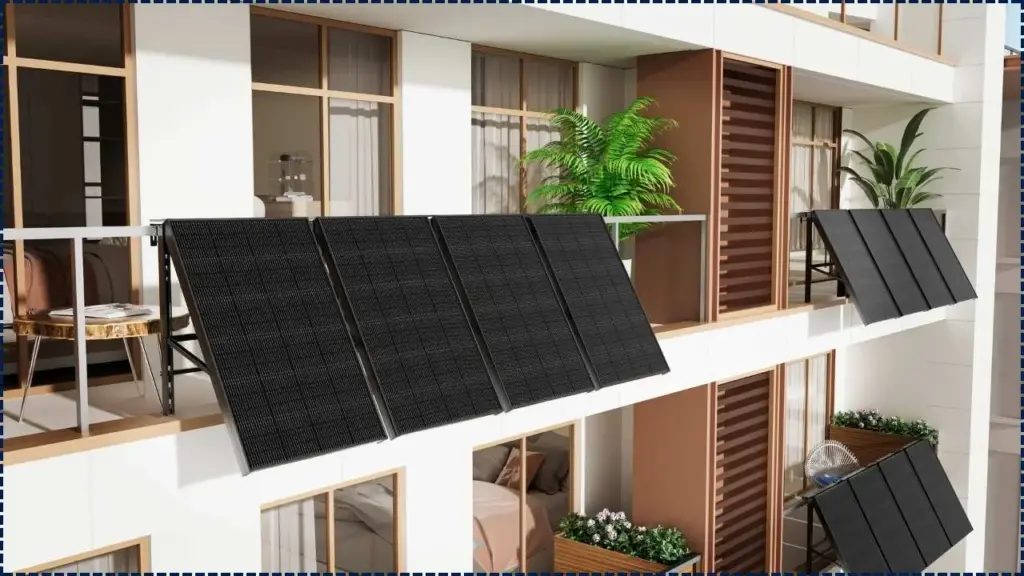
As this trend spreads globally, flats and renters now have an accessible and cost-effective way to generate clean electricity.
German ‘Plug-and-Play’ Balcony Solar
| Key Fact | Detail/Statistic |
|---|---|
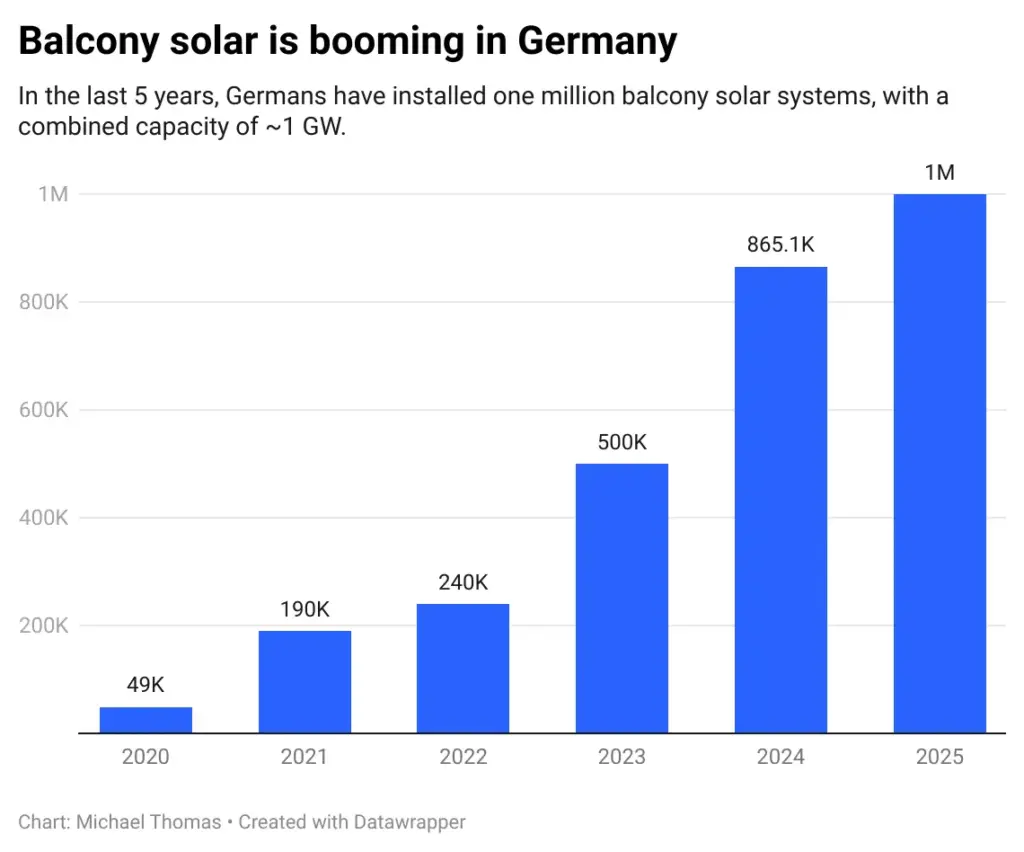
| Market Growth | Germany’s balcony solar market is expected to reach over 1 million installations by 2025. |
| Installation Ease | Plug-and-play systems can be easily installed without professional help, using a standard electrical outlet. |
| Environmental Impact | 100,000 tons of CO₂ could be saved annually by the first million balcony solar units installed in Germany. |
What Are Plug-and-Play Balcony Solar Systems?
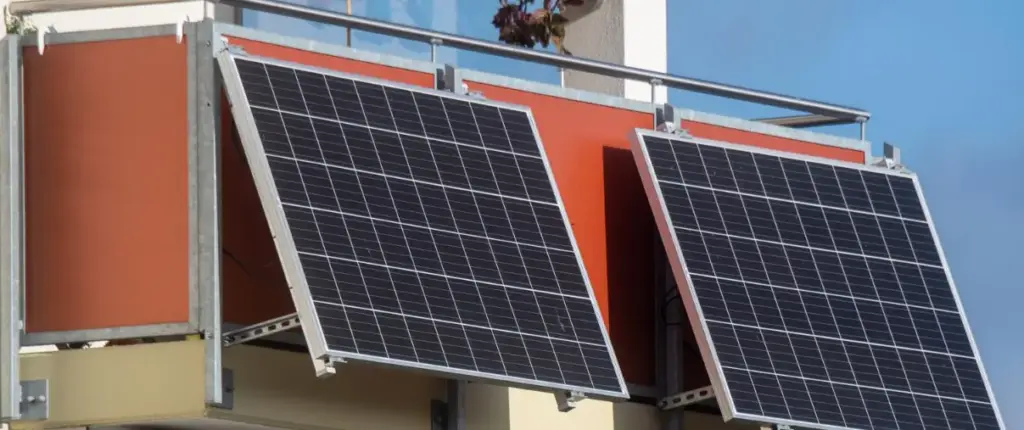
Balcony solar power, also known as plug-and-play solar, is a revolutionary way for urban residents, especially renters, to participate in renewable energy production. Unlike conventional solar panel systems that require roof space, these units are designed for use on balconies, terraces, or walls.
The system typically consists of a solar module (panel), a micro-inverter, and a plug to connect to a household electrical outlet. The setup requires no complex wiring or professional installation — it’s as simple as plugging in an appliance.
This makes solar energy accessible to millions of apartment dwellers who otherwise have no access to roof-mounted solar panels.
How It Works
- Compact and portable: The plug-and-play system can be installed on balcony railings or walls, designed to withstand typical weather conditions.
- Electricity production: Once connected to the home’s electrical grid, the system generates electricity that can either power the household or feed excess power back into the grid.
- Efficiency: While smaller than rooftop systems, these mini solar setups can generate enough power to cover the needs of everyday devices like lights, small appliances, and entertainment equipment.
The Rise of Balcony Solar: Germany at the Forefront
Germany, already a global leader in renewable energy, has led the charge for balcony solar systems. The nation’s early adoption of these compact solar solutions has spurred interest in other European markets and beyond.
Explosive Growth in Germany
Germany’s balcony solar market has grown rapidly over the past few years. According to industry experts:
- Over 1 million systems are expected to be installed by 2025.
- As of 2024, approximately 435,000 new installations were registered, a 30% increase from the previous year.
This surge can be attributed to government incentives, the decline in system costs, and growing demand for clean energy solutions. The German government has made it easier for renters and homeowners to install these systems, further propelling the trend.
Legal and Regulatory Support
Germany’s laws support the expansion of plug-and-play solar by making the installation process simpler and more accessible:
- Minimal permits required: Balcony solar systems often only require basic registration with local authorities.
- Renters allowed to install units: Unlike rooftop solar, landlords cannot easily block the installation of balcony solar, provided the installation doesn’t violate building codes or safety regulations.
The country has also created clear standards for safety and grid connection, making it easier for consumers to adopt solar power confidently.
How Balcony Solar Systems Benefit Consumers
Affordability
Compared to traditional rooftop solar installations, which can cost thousands of dollars, plug-and-play balcony systems are relatively inexpensive. On average, these systems cost between €400 and €800. While this price tag varies depending on the size and output capacity, the affordability makes solar energy accessible to a broader audience.
Environmental Impact
The impact of balcony solar systems extends beyond financial savings:
- They help reduce carbon emissions by generating clean, renewable energy, thus reducing reliance on fossil fuels.
- If Germany’s first million balcony solar systems are installed, they could save an estimated 100,000 tons of CO₂ each year.
The Global Appeal: Why It’s Coming to Flats Worldwide
Spreading to Other European Markets
The success of balcony solar in Germany is inspiring other European countries to adopt similar systems:
- Spain and the Netherlands are currently studying Germany’s model and are beginning to implement similar programs to make solar power more accessible to renters. (The Guardian)
- Austria has already begun offering subsidies for balcony solar installations, recognizing the environmental and economic benefits.
Interest Growing in the United States
While plug-and-play solar technology is still emerging in the U.S., interest is growing. Energy advocates are pushing for local regulations to accommodate these systems, particularly in urban areas where access to rooftop solar is limited.
- In California, where solar adoption is already strong, policymakers are considering subsidies and incentives for compact solar technologies like balcony systems.
Challenges and Limitations of Balcony Solar Systems
While balcony solar systems offer numerous benefits, they do come with limitations.
Lower Power Output
These systems are not designed to fully replace larger rooftop setups. They generally have an output of 300–800 watts, which can only power smaller household devices, such as lights or small appliances.
Regulatory Hurdles in Some Regions
In some areas, regulations surrounding balcony solar may not be as clear or favorable as in Germany. For instance, local zoning laws and safety codes in certain regions could create barriers for widespread adoption.
Additionally, safety standards for plug-and-play solar systems are still evolving. Countries outside of Germany are grappling with how best to integrate these systems into existing electrical infrastructures.
Future Outlook: The Next Big Step for Urban Solar Energy
The plug-and-play balcony solar trend is still in its early stages globally, but it is poised for significant growth.
As more countries embrace solar energy and urban areas continue to prioritize sustainability, the adoption of balcony solar will likely increase, offering residents of apartments and flats a way to contribute to the renewable energy transition.
Innovations on the Horizon
Technological advances, such as battery storage integration, are expected to make these systems even more effective. By storing excess energy generated during the day, consumers could use solar power during the evening or sell it back to the grid, adding even more value to the systems.
Related Links
Germany’s plug-and-play balcony solar trend is an innovative solution to energy challenges faced by urban dwellers and renters. It provides a low-cost, accessible option for generating clean, renewable energy.
As the trend spreads globally, it holds the potential to help millions of people reduce their carbon footprint and energy costs, while contributing to the global transition to sustainable energy sources.
FAQs
Q: Can renters in Germany install balcony solar systems?
A: Yes, under German law, renters can install balcony solar systems with minimal restrictions, provided there are no structural concerns or safety issues with the installation.
Q: What is the power output of a typical balcony solar system?
A: Most plug-and-play balcony solar systems produce between 300–800 watts, which is sufficient for running small household appliances and lighting.
Q: How can I get started with a balcony solar system?
A: To start, simply choose a plug-and-play solar system that suits your balcony space, install it on your railing or wall, and plug it into a regular outlet. Some systems also come with support for battery storage, increasing their effectiveness.