
A new global coalition platform to govern solar geoengineering research has been launched by an international group of scientific, policy, and civil society organizations. The platform, called the Solar Geoengineering Research Governance (SGRG) Platform, aims to establish global norms and transparency in the rapidly advancing and controversial field of solar geoengineering.

This initiative seeks to ensure that research into sunlight-reflecting technologies is conducted with open oversight, ensuring public participation and mitigating risks associated with geoengineering interventions.
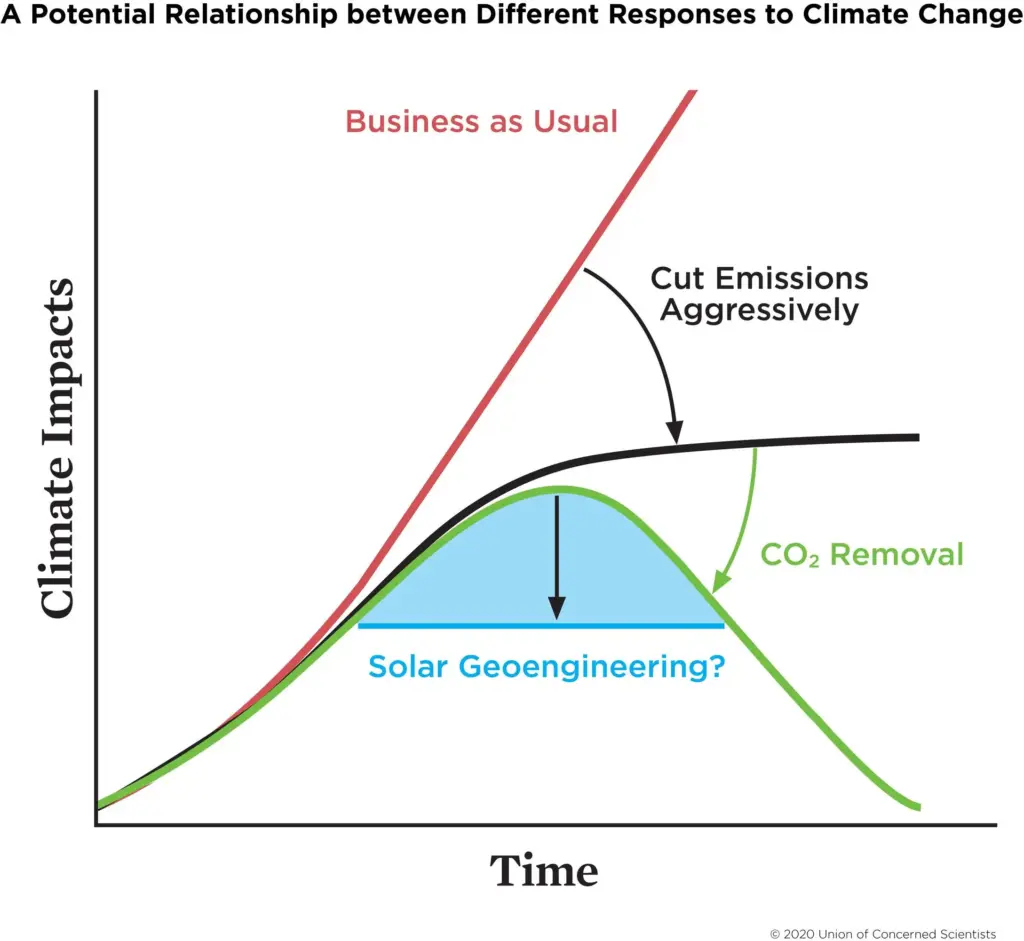
Solar geoengineering, including techniques like stratospheric aerosol injection (SAI) and marine cloud brightening, has gained increasing attention as a potential emergency response to global climate change.
However, it remains highly contentious due to ethical concerns, unforeseen environmental consequences, and the potential for geopolitical conflict. In this context, the SGRG Platform was formed to create a cohesive and transparent research agenda that governs these technologies.
New Global Coalition Platform Launched
| Key Fact | Detail |
|---|---|
| Platform Launch | Collaborative effort to govern solar geoengineering research |
| Governance Approach | Ensuring transparency, risk management, and public engagement |
| Research Methods | Focus on techniques like SAI and marine cloud brightening |
| Global Collaboration | A diverse group of scientific and civil society partners |
The History and Growth of Solar Geoengineering Research
Solar geoengineering is a relatively new field of climate intervention that emerged as part of the broader exploration of geoengineering solutions to climate change. Early research, beginning in the late 20th century, focused on theoretical approaches to counteract global warming by reflecting sunlight back into space.
Techniques such as stratospheric aerosol injection (SAI), which involves the release of reflective particles into the upper atmosphere, gained attention due to their potential to cool the planet temporarily.
The concept of solar geoengineering was initially met with skepticism due to its speculative nature and the significant risks involved. However, as climate change impacts became more severe, especially in vulnerable regions, the potential of solar geoengineering as a “global emergency brake” began to be taken more seriously by policymakers and scientists.
In recent years, research has shifted from theoretical studies to early-stage experiments, including weather simulations and small-scale tests. These efforts raised important questions about governance, the long-term effects of geoengineering, and who should control its research and potential deployment.
As public concern over geoengineering’s risks increased, the call for a formal governance structure became more urgent. This led to the formation of the SGRG Platform.
The Science and Technology of Solar Geoengineering
There are several key solar geoengineering techniques under consideration by researchers, each with its own set of challenges and potential benefits:
Stratospheric Aerosol Injection (SAI)
SAI involves injecting reflective particles, such as sulfur dioxide, into the stratosphere. These particles would create a reflective layer that could cool the planet by reflecting a portion of sunlight. SAI is often compared to the cooling effect of volcanic eruptions, which have temporarily reduced global temperatures.
However, this technique poses risks such as unpredictable changes to regional weather patterns and potential damage to the ozone layer. The effects on agriculture and ecosystems are not fully understood, making it a controversial approach.
Marine Cloud Brightening
Marine cloud brightening proposes to enhance the reflectivity of clouds over the ocean by spraying sea water into the air to create more reflective droplets. This method could potentially cool the planet without altering atmospheric chemistry, but it may have unintended effects on marine ecosystems and weather patterns.
Space-Based Reflectors
A more speculative concept involves deploying reflective materials in space to block a portion of sunlight from reaching Earth. While this technology is still in the early conceptual phase, it raises significant engineering challenges and concerns about international space governance.
Ethical and Geopolitical Concerns: The Need for Governance
One of the most pressing issues surrounding solar geoengineering is its potential geopolitical implications. Given that solar geoengineering could have global effects, any decision to implement such technologies would require international coordination and consensus.
There are concerns that unilateral action by one country could exacerbate global inequalities or disrupt weather patterns in regions that did not consent to such actions. Critics argue that solar geoengineering may serve as a “quick fix” to climate change, diverting attention and resources from necessary systemic solutions like reducing greenhouse gas emissions and investing in climate adaptation strategies.
Some experts, including Dr. David Milner, climate scientist at the Environmental Defense Fund, caution that, “geoengineering interventions, especially without proper governance, risk becoming a geopolitical tool of the powerful, leaving vulnerable regions to bear the unintended consequences.”
The SGRG Platform has been designed to mitigate these risks by ensuring that all research is conducted with full transparency and includes input from global stakeholders, including those from climate-vulnerable regions.
By including a diverse set of voices in the governance structure, the platform aims to democratize decision-making in geoengineering research and prevent any one country or entity from taking unilateral action.
The Platform’s Structure and Governance Tools
The SGRG Platform’s primary objective is to establish a global governance framework that ensures transparency, accountability, and inclusive dialogue in solar geoengineering research. Key features of the platform’s governance include:
- Transparency Measures: Full disclosure of research methodologies, funding sources, and potential risks associated with solar geoengineering techniques. This includes real-time access to data and findings by both scientists and the public.
- Public Engagement: Platforms for community consultations, public forums, and online platforms where individuals can voice concerns or provide feedback on geoengineering proposals.
- Ethical Oversight: Developing a set of ethical guidelines that researchers must follow to ensure that solar geoengineering research does not disproportionately harm vulnerable communities or ecosystems.
- Independent Review: A peer-review mechanism that includes oversight from non-governmental organizations, international climate bodies, and independent experts to evaluate the potential risks and benefits of each research project.
By establishing these tools, the platform seeks to foster global cooperation and shared responsibility in the management of solar geoengineering research.
Stakeholder Opinions and Future Directions
The SGRG Platform is supported by a wide range of stakeholders from across the globe, including academic institutions, environmental organizations, and policymakers. However, there are divergent views on the future of solar geoengineering.
Some environmental groups, such as Greenpeace, argue that any research into geoengineering could divert attention from the urgent need to reduce carbon emissions.
Dr. Ayesha Gupta, an environmental policy expert, stresses, “While geoengineering might offer a temporary solution, we must not let it overshadow the critical need for systemic climate solutions. What we need now is strong international commitment to mitigation, adaptation, and equitable funding for climate resilience.”
Despite these concerns, the platform’s researchers, including those from the Intergovernmental Panel on Climate Change (IPCC), see solar geoengineering as a tool that could complement other mitigation efforts, especially in the face of ongoing global temperature rise.
As the SGRG Platform continues to develop, future updates will focus on expanding its global reach, engaging more stakeholders, and refining its governance framework based on emerging research.
Related Links
Frozen Energy: How Canada is Harvesting Solar Power in Arctic Extremes
Ensuring a Safe and Equitable Future for Solar Geoengineering
With the launch of the Solar Geoengineering Research Governance Platform, the global scientific community takes a significant step towards ensuring that solar geoengineering is researched and potentially deployed in a responsible, transparent, and inclusive manner.
The platform’s efforts to involve multiple stakeholders and create robust governance frameworks will help ensure that solar geoengineering, if used, will be deployed with due caution and accountability.
As global climate change risks continue to intensify, solar geoengineering may play a crucial role in complementing global climate mitigation strategies. However, it is vital that research in this field proceeds with public oversight and ethical considerations at the forefront.