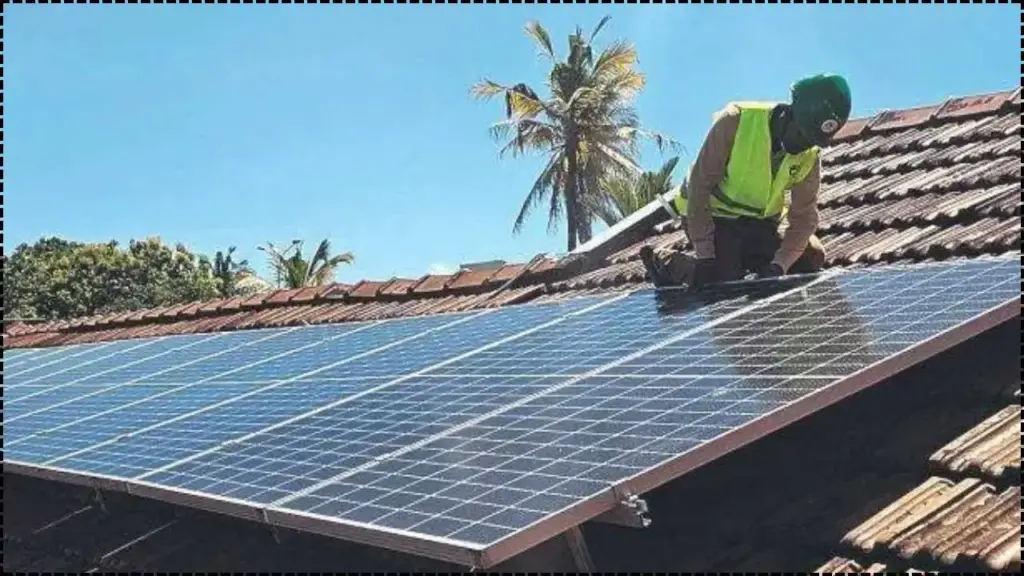
In 2026, blockchain energy trading is shifting from pilot projects to practical deployment, enabling households with rooftop solar panels to sell excess electricity directly to neighbors.
Governments, utilities, and technology firms are testing decentralized systems designed to reduce costs, improve grid efficiency, and accelerate renewable energy adoption worldwide.
Blockchain Energy Trading
| Key Fact | Detail |
|---|---|
| Peer-to-peer trading | Households sell surplus electricity locally |
| Blockchain role | Ensures secure, transparent transactions |
| India pilots | Active trials in Delhi and Uttar Pradesh |
| Consumer benefit | Lower costs for buyers, higher returns for sellers |
How Blockchain Energy Trading Works
Smart Infrastructure Enables Direct Electricity Sales
Blockchain energy trading allows electricity to be bought and sold directly between individuals, often called “prosumers.” Smart meters track real-time electricity generation and consumption, feeding data into blockchain systems that securely record transactions.
“Digitalization is transforming energy markets, and decentralized trading is a key part of that shift,” said Dr. Fatih Birol, Executive Director of the International Energy Agency.
Smart Contracts Automate Transactions
Smart contracts execute trades automatically once predefined conditions—such as price and supply—are met. This reduces administrative overhead and eliminates the need for intermediaries.
For instance, a homeowner can list excess solar energy at a fixed price. When a nearby buyer accepts, the system instantly completes the transaction and records it permanently.
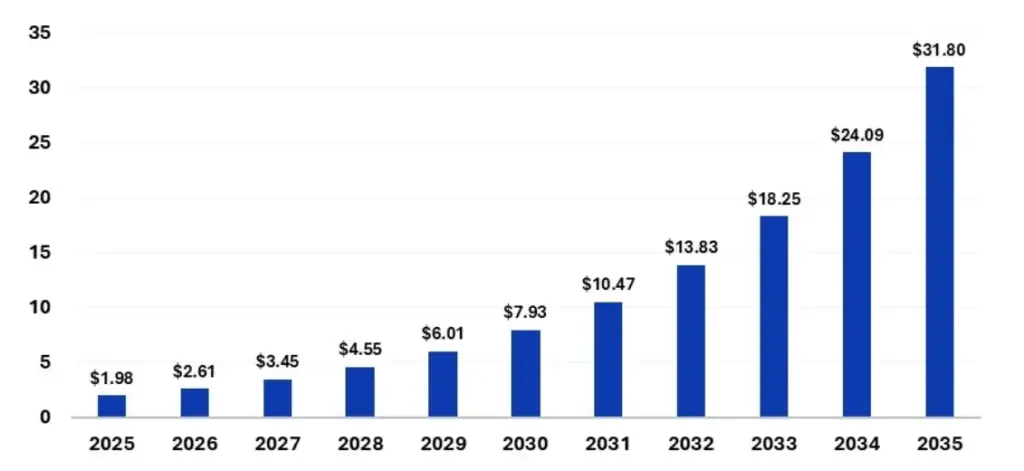
Real-World Example: A Neighborhood Energy Trade
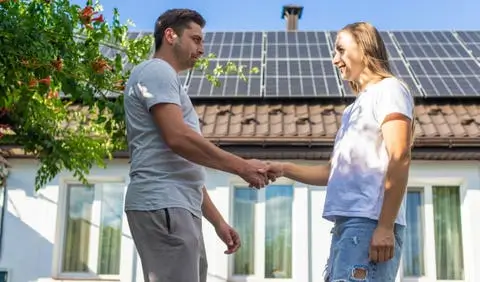
In a typical scenario, a homeowner generates surplus solar energy during peak sunlight hours. Instead of exporting it to the grid at regulated rates, the homeowner lists the excess energy on a local trading platform.
A nearby household purchases the energy at a mutually agreed price. The electricity flows through the existing grid infrastructure, while blockchain records the transaction and ensures accurate billing.
Industry analysts describe this as a “localized energy marketplace,” where supply and demand operate at the neighborhood level.
Global Adoption Accelerates
Pilot Programs Expand Across Continents
Countries including Australia, Germany, Japan, and India are testing blockchain-based energy systems. According to the World Economic Forum, decentralized energy markets could improve resilience and reduce dependence on centralized utilities.
In Europe, energy cooperatives have integrated blockchain into community solar projects. In Australia, peer-to-peer trading platforms are already operating at a limited commercial scale.
India’s Emerging Role in Decentralized Energy
India is positioning itself as a major testbed for blockchain energy trading due to its rapid expansion of rooftop solar capacity. Trials in Delhi and Uttar Pradesh allow households to trade electricity within regulated environments.
Officials say the initiative aligns with national renewable energy goals and efforts to modernize distribution systems.
Economic Impact on Consumers and Utilities
Financial Benefits for Households
Blockchain energy trading offers a potential financial advantage over traditional systems. Sellers can earn more than fixed feed-in tariffs, while buyers may access cheaper electricity due to reduced transmission and distribution costs.
“Localized markets introduce price flexibility, which benefits both producers and consumers,” said an energy economist at a public policy institute.
Utilities Face a Changing Role
Traditional utilities may see reduced control over energy distribution. Instead of acting solely as suppliers, they are increasingly becoming platform operators and infrastructure providers. This transition could reshape revenue models and require new regulatory frameworks.
Environmental and Efficiency Gains
Reducing Transmission Losses
Electricity transmitted over long distances loses efficiency. By enabling local consumption, blockchain energy trading reduces these losses and improves overall system performance.
Supporting Climate Goals
Decentralized trading encourages renewable energy use, contributing to emissions reduction targets set by the United Nations and national governments.
Cybersecurity and Data Privacy Risks
New Digital Systems Introduce Vulnerabilities
While blockchain is considered secure, the broader ecosystem—including smart meters and connected devices—can be vulnerable to cyberattacks.
Experts warn that protecting consumer data and grid infrastructure will be critical as adoption grows. “Security must evolve alongside innovation,” said a cybersecurity researcher specializing in energy systems.
Data Ownership Concerns
Questions remain about who owns and controls energy usage data. Policymakers are working to establish guidelines to ensure transparency while protecting consumer privacy.
Regulatory Challenges and Policy Gaps
Fragmented Legal Frameworks
Energy markets are heavily regulated, and many jurisdictions lack clear policies for peer-to-peer trading. Regulators must address issues such as pricing, taxation, and grid access.
“Policy clarity is essential for scaling these systems beyond pilot projects,” said a senior regulatory official.
Balancing Innovation and Stability
Electricity grids require precise balancing of supply and demand. Introducing decentralized trading adds complexity, requiring advanced forecasting and grid management technologies.
Industry and Technology Trends
Integration with Artificial Intelligence
Technology firms are combining blockchain with artificial intelligence to optimize energy pricing and demand forecasting. These systems can automatically adjust prices based on real-time supply conditions.
Rise of Energy Market Platforms
Several startups and established companies are developing user-friendly platforms that allow consumers to trade electricity via mobile applications.
Consumer Perspective: Opportunities and Barriers
Benefits for Early Adopters
Homeowners with solar installations stand to benefit the most. They gain new revenue streams while contributing to local energy resilience.
Barriers to Entry
However, initial costs for solar panels and smart meters remain a challenge for many households. Access to financing and government incentives will play a key role in expanding participation.
Related Links
Electrolyzer Boom 2026: The Missing Link Between Solar Panels and Clean Heavy Transport
Future Outlook: Toward Decentralized Energy Systems
Experts say blockchain energy trading could fundamentally reshape electricity markets over the next decade. As infrastructure improves and regulations evolve, decentralized systems may become a mainstream component of national energy strategies.
“The transition will not happen overnight, but the direction is clear,” said an industry analyst. “Energy systems are becoming more distributed, digital, and consumer-driven.”
Blockchain energy trading remains in its early stages, but its potential to decentralize electricity markets is drawing global attention. As governments refine regulations and technology continues to advance, localized energy trading could become a defining feature of future power systems.
FAQs
What is blockchain energy trading?
A system that enables direct buying and selling of electricity using blockchain to record transactions securely.
Who can participate?
Typically, households or businesses with renewable energy sources such as solar panels.
Is it safe?
Blockchain systems are secure, but the broader infrastructure requires strong cybersecurity measures.
Will it replace traditional utilities?
Not entirely. Utilities are expected to adapt and play new roles within decentralized systems.