
TheFree Solar to Low-Income US Families, a $7 billion federal initiative aimed at delivering solar energy to low-income households, is reshaping access to clean power across the United States in 2026.
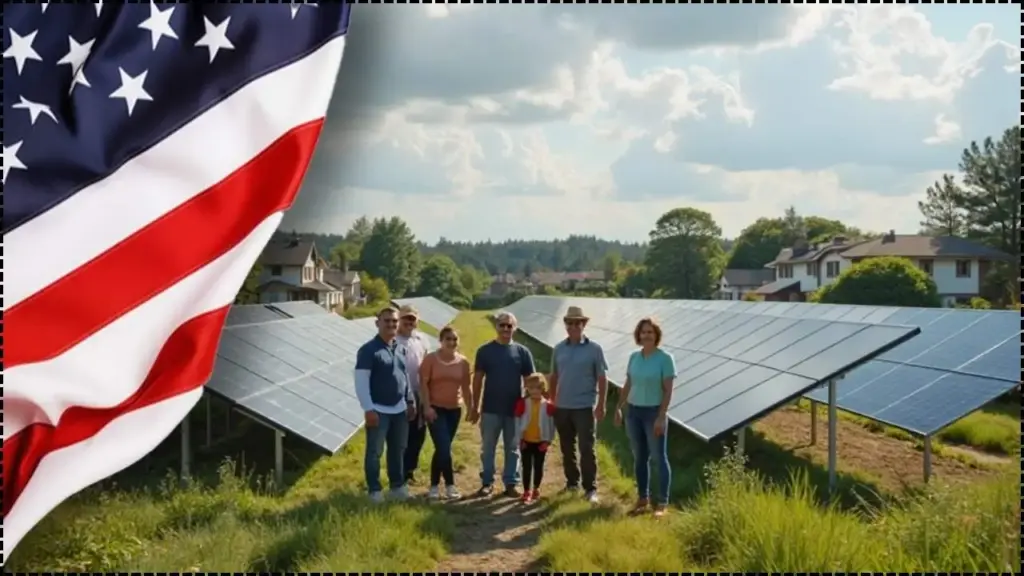
Funded under the Inflation Reduction Act and administered by the Environmental Protection Agency, the program targets nearly one million households while navigating implementation challenges and policy uncertainty.
Free Solar to Low-Income US Families
| Key Fact | Detail |
|---|---|
| Total Funding | $7 billion federal grants |
| Target Reach | ~900,000 households |
| Avg. Cost per Household | ~$7,700 (estimated) |
| Annual Savings | ~$350 million combined |
The Solar for All program represents a significant shift in U.S. energy policy, focusing on equity, accessibility, and long-term sustainability. By targeting low-income households, it aims to close the gap in renewable energy adoption while supporting broader climate goals.
Its ultimate success will depend on effective implementation, continued funding, and the ability to overcome logistical and regulatory challenges in the years ahead.
Free Solar to Low-Income US Families: A Transformational Federal Energy Equity Program
The Free Solar to Low-Income US Families represents one of the largest investments in energy equity in U.S. history. Unlike traditional solar incentives, which rely on tax credits, this program uses direct grants to reach households that lack the financial means or tax liability to benefit from those incentives.
Administered by the U.S. Environmental Protection Agency (EPA), the initiative distributes funds to more than 60 state agencies, tribal governments, and nonprofit organizations. These entities design and implement programs tailored to local needs, ensuring flexibility in delivery while maintaining federal oversight.
Funding Mechanics and Timeline
How the $7 Billion Is Distributed
The funding is structured in phases:
- Grant Allocation (2024–2025): Recipients selected through a competitive process.
- Program Deployment (2025–2028): Installation of systems and rollout of community solar.
- Performance Monitoring (2026 onward): Tracking savings, emissions reductions, and participation.
Funds are not given directly to households. Instead, local entities manage budgets, contracts, and installations.
Cost Per Household
With approximately 900,000 households targeted, analysts estimate an average investment of about $7,000–$8,000 per home.
This cost includes:
- Solar equipment.
- Installation labor.
- Administrative overhead.
- Workforce training.
How the Program Works on the Ground
Multiple Delivery Models
To maximize reach, the program supports several implementation strategies:
1. Rooftop Solar Installations
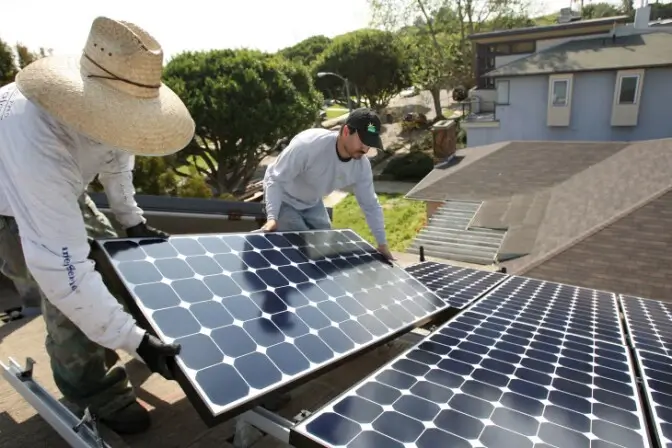
- Installed directly on eligible homes.
- Typically zero upfront cost.
- Immediate bill reduction.
2. Community Solar Projects
- Shared solar farms.
- Participants receive bill credits.
- Ideal for renters or unsuitable rooftops.
3. Solar + Storage Systems
- Battery integration improves resilience.
- Particularly valuable in outage-prone regions.
Utility and Grid Integration Challenges
One of the less visible complexities lies in integrating new solar capacity into existing grids.
Key Challenges
- Grid capacity limitations in older infrastructure.
- Interconnection delays.
- Utility coordination requirements.
Some utilities have expressed concerns about:
- Managing distributed generation.
- Maintaining grid stability.
- Cost allocation across ratepayers.
Energy regulators are working to streamline interconnection processes to prevent bottlenecks.
Landlord–Tenant Dynamics: A Critical Barrier
A significant portion of low-income households are renters, creating unique challenges.
Key Issues
- Landlords control property decisions.
- Tenants pay energy bills but cannot install solar.
- Incentive alignment is often weak.
Program Solutions
- Incentives for multifamily property owners.
- Community solar subscriptions.
- Shared savings agreements.
Experts say addressing this “split incentive” problem is essential for program success.
Economic Impact Beyond Energy Bills
Household-Level Benefits
Participating households may experience:
- 15–25% reduction in electricity costs.
- Greater protection against price volatility.
- Improved financial stability.
Local Economic Growth
Communities benefit through:
- Job creation in installation and maintenance.
- Local contractor engagement.
- Increased economic activity.
Workforce Development and Labor Standards
The program includes provisions to ensure fair labor practices.
Key Requirements
- Prevailing wage standards.
- Apprenticeship programs.
- Local hiring incentives.
These measures aim to create sustainable employment pathways in the clean energy sector.
Safeguards Against Fraud and Misuse
Given the scale of funding, oversight mechanisms are critical.
Built-In Protections
- Federal reporting requirements.
- Third-party audits.
- Performance benchmarks.
Regulators aim to prevent:
- Misallocation of funds.
- Poor-quality installations.
- Contractor fraud.
Transparency measures are designed to maintain public trust.
State-Level Case Comparisons
California
- Focus on community solar and battery storage.
- Strong regulatory framework.
- Higher deployment capacity.
North Carolina
- Mixed model: rooftop + community solar.
- Emphasis on rural and underserved areas.
Midwest States
- Slower rollout due to infrastructure constraints.
- Greater reliance on community solar.
These differences highlight the program’s flexibility—and uneven implementation.
Private Sector and Investor Role
Although federally funded, the program also engages private partners.
Industry Participation
- Solar installers.
- Equipment manufacturers.
- Financing firms.
Investors are particularly interested in:
- Long-term service contracts.
- Grid modernization projects.
- Workforce development initiatives.
This public-private collaboration is seen as critical for scaling the program.
Environmental Justice and Climate Goals
The Solar for All initiative is closely tied to environmental justice principles.
Key Objectives
- Reduce emissions in high-pollution areas.
- Improve air quality in disadvantaged communities.
- Ensure equitable access to clean energy.
Experts note that low-income communities often face higher pollution exposure, making targeted investments especially impactful.
Policy Debate and Long-Term Sustainability
Despite broad support, the program faces debate over its long-term viability.
Supporters Argue
- It addresses structural inequality.
- It accelerates clean energy adoption.
- It reduces household financial stress.
Critics Question
- Cost-effectiveness.
- Administrative complexity.
- Dependence on federal funding.
Future funding decisions will likely determine whether the program expands, contracts, or evolves.
Related Links
Is Home Solar More Expensive in 2026? The End of the Federal Residential Tax Credit Explained
Floatovoltaics 2026: Why Floating Solar is the Answer to India’s Land Scarcity and Water Evaporation
What Experts Are Watching Next
Energy analysts are closely monitoring:
- Program rollout speed.
- Participation rates.
- Measurable cost savings.
- Grid integration performance.
Early results from pilot regions suggest strong demand but highlight logistical challenges.
FAQs
Is Solar for All completely free?
Most participants pay little to nothing upfront, though program structures vary.
Who benefits most?
Low-income households, renters, and underserved communities.
How is it different from tax credits?
It uses direct funding rather than tax-based incentives.
Will the program expand?
That depends on future federal policy decisions.