Floatovoltaics—floating solar photovoltaic systems—are emerging as a critical solution in India in 2026, addressing land scarcity and water evaporation simultaneously.
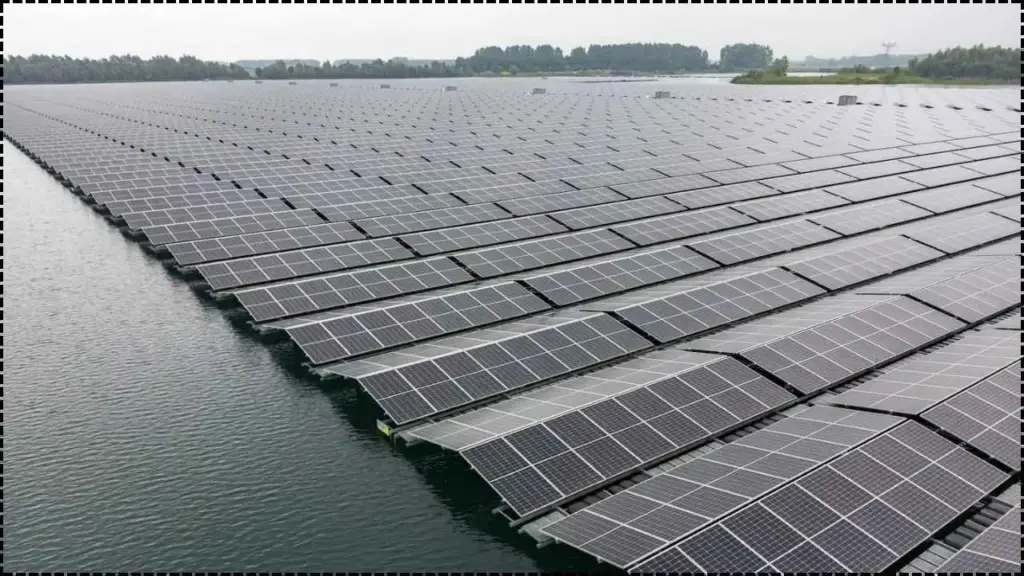
By deploying solar panels on reservoirs and water bodies, the technology enables large-scale renewable energy generation without land acquisition while conserving water resources in a climate-stressed environment.
What Are Floatovoltaics and Why They Matter in 2026
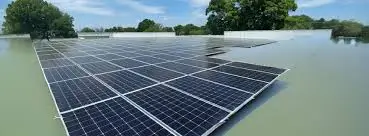
Floatovoltaics, also known as floating solar photovoltaic (FPV) systems, involve mounting solar panels on floating structures placed on water bodies such as reservoirs, lakes, and irrigation canals.
These systems are anchored to withstand changing water levels and are connected to nearby electricity grids.
As outlined in the briefing document , floatovoltaics provide a dual benefit—renewable energy generation and reduction of water evaporation—making them particularly relevant for countries like India.
A Brief Evolution: From Niche Technology to Strategic Asset
Floating solar technology began as small pilot installations in Japan and South Korea in the early 2010s. Initially considered experimental, the technology gained attention due to:
- Rising land costs.
- Increasing renewable energy targets.
- Water scarcity concerns.
By the mid-2020s, declining solar costs and improved engineering designs accelerated adoption globally. In 2026, floatovoltaics are transitioning from pilot projects to large-scale deployment.
India’s Land Constraint: A Structural Challenge
India’s renewable energy expansion faces a critical bottleneck—land availability. Large solar parks require extensive land areas, often leading to:
- Conflicts with agriculture.
- Displacement concerns.
- Environmental challenges.
With a population exceeding 1.4 billion and growing urbanisation, land has become an increasingly scarce resource. Floating solar eliminates this constraint by utilising existing water surfaces, avoiding land-use conflicts entirely.
Water Evaporation: A Hidden but Massive Loss
India experiences significant water loss due to evaporation from reservoirs and canals.
- High temperatures accelerate evaporation.
- Open water surfaces are directly exposed to sunlight.
- Wind further increases water loss.
Experts estimate that reservoirs can lose a substantial percentage of stored water annually due to evaporation, particularly in arid regions. Floatovoltaics directly address this issue by covering water surfaces and reducing solar exposure.
How Floatovoltaics Reduce Evaporation
Shading Effect
Solar panels block sunlight, reducing direct heating of water surfaces.
Lower Surface Temperature
Reduced solar radiation leads to cooler water, slowing evaporation rates.
Reduced Wind Exposure
Floating structures can partially limit wind interaction with water surfaces. Studies suggest evaporation reduction can reach 30–70%, depending on coverage and local conditions.
Efficiency Gains: Why Floating Solar Performs Better
Floating solar panels benefit from natural cooling provided by water bodies. This results in:
- Lower operating temperatures.
- Higher energy conversion efficiency.
- Reduced thermal degradation.
Studies indicate efficiency gains of 5–15% compared to land-based solar systems. Additionally, water surfaces typically have less dust, reducing cleaning requirements.
Hybrid Advantage: Integration with Hydropower
One of the most significant advantages of floatovoltaics is their compatibility with existing hydropower infrastructure.
Shared Infrastructure
Floating solar plants can use:
- Existing transmission lines.
- Grid connections.
- Reservoir space.
Complementary Energy Generation
- Solar generates power during the day.
- Hydropower can balance supply during low solar output.
This hybrid model improves grid stability and optimises energy production.
Case Study: India’s Floating Solar Projects
India has already implemented several large-scale floating solar plants.
Ramagundam Floating Solar Project (Telangana)
- Capacity: 100 MW.
- Located on a thermal power plant reservoir.
- Demonstrates large-scale feasibility.
Kerala and West Bengal Projects
- Smaller installations on reservoirs and backwaters.
- Focus on decentralised energy generation.
These projects highlight how floating solar can be integrated into existing infrastructure.
Economic Analysis: Costs vs Benefits
Higher Initial Costs
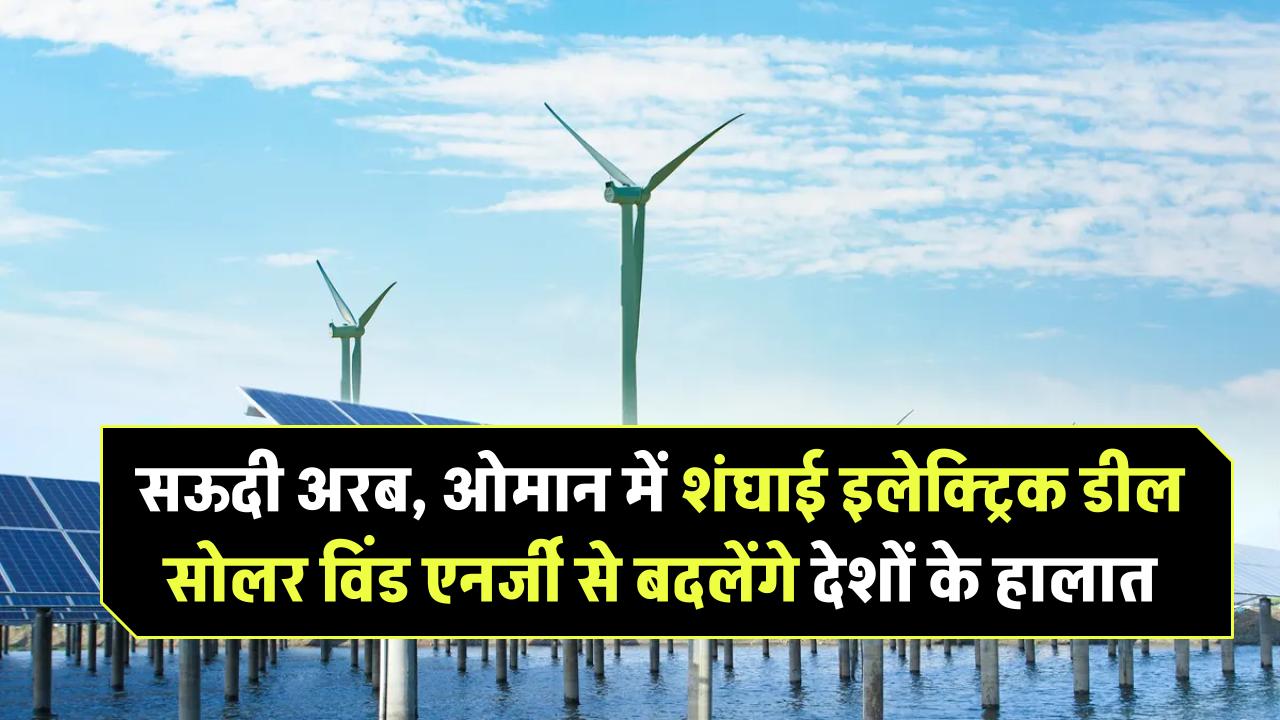
Floating solar systems are typically 10–25% more expensive than land-based systems due to:
- Floating platforms.
- Anchoring systems.
- Waterproof components.
Cost Offsets
However, these costs are partially offset by:
- No land acquisition expenses.
- Higher efficiency.
- Reduced water loss benefits.
Levelized Cost of Energy (LCOE)
Analysts suggest that as technology matures, the cost gap between floating and land-based solar will narrow.
Environmental Impact: A Balanced View
Positive Effects
- Reduction in water evaporation.
- Lower land disruption.
- Potential reduction in algae growth.
Concerns
- Impact on aquatic ecosystems.
- Reduced sunlight penetration affecting underwater life.
- Changes in dissolved oxygen levels.
Environmental experts stress the need for careful planning and monitoring.
Policy and Regulatory Landscape in India
India’s renewable energy policies increasingly support innovative solar technologies. Key initiatives include:
- National Solar Mission targets.
- Incentives for floating solar projects.
- Public-private partnerships.
Government agencies are exploring floating solar as part of integrated water-energy management strategies.
Industry and Investor Perspective
Energy companies view floatovoltaics as a scalable solution to India’s energy challenges. Investors are also showing interest, particularly in projects with:
- Stable revenue from power purchase agreements.
- Lower land-related risks.
However, analysts caution that project viability depends on location, design, and regulatory support.
Global Context
Countries with limited land availability have led floating solar adoption:
- Japan.
- Singapore.
- South Korea.
India is now emerging as a major market due to its vast reservoir network and renewable energy goals.
Challenges Ahead
Despite strong potential, several challenges remain:
Technical Complexity
Requires specialised engineering and maintenance.
Weather Risks
Systems must withstand storms, waves, and fluctuating water levels.
Financing Barriers
Higher upfront costs may limit adoption without policy support.
Environmental Uncertainty
Long-term ecological impacts require further study.
Related Links
Microgrids in Remote Areas: How Decentralized Solar is Powering the Last Mile in Africa and SE Asia
Predictive Maintenance: Using AI and Drones to Fix Solar Cells Before They Fail
Future Outlook
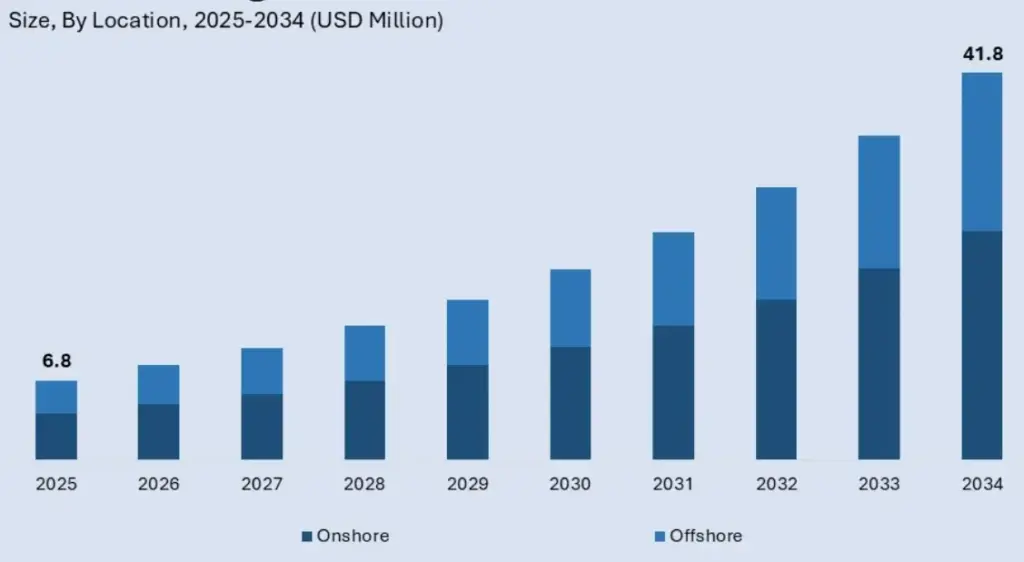
Floatovoltaics are expected to expand rapidly over the next decade.
Key drivers include:
- Increasing electricity demand/
- Water scarcity pressures.
- Falling solar technology costs.
Experts believe floating solar could become a core component of India’s renewable energy mix.
Floatovoltaics represent a strategic convergence of energy generation and water conservation. By addressing land scarcity and evaporation simultaneously, the technology offers a practical pathway for sustainable development in India.
As one energy analyst noted, “In a country where land and water are both under pressure, floating solar is not just an innovation—it is a necessity.”