
Across remote regions of Africa and Southeast Asia, solar-powered microgrids are delivering electricity to communities long beyond the reach of national grids.
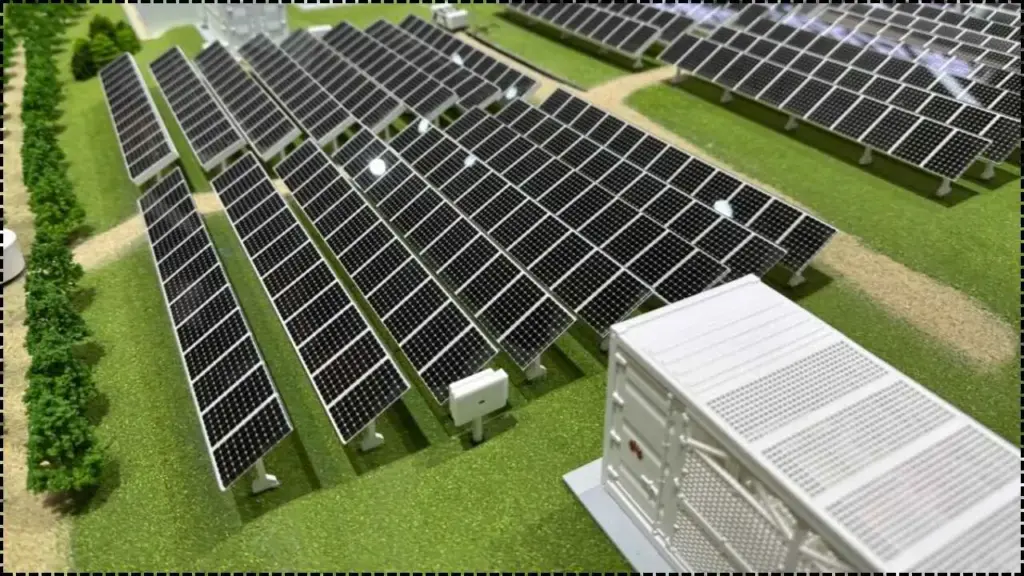
These decentralized systems are closing the energy access gap, supporting economic growth, and offering a scalable alternative to traditional infrastructure as governments and investors accelerate electrification efforts.
Microgrids in Remote Areas
| Key Fact | Detail |
|---|---|
| Energy gap | Hundreds of millions lack electricity |
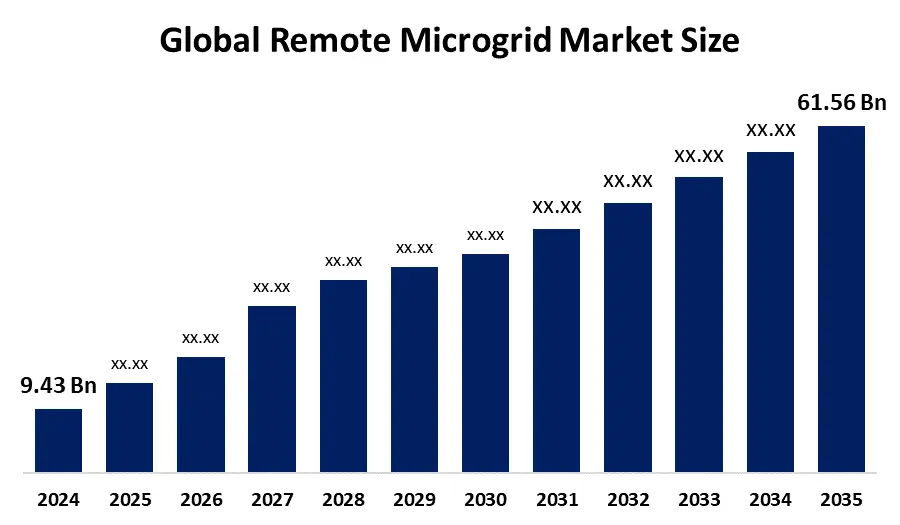
| Growth potential | 500 million people could be served by mini-grids by 2030 |
| Cost trend | Solar + storage costs declining rapidly |
| Key model | Pay-as-you-go systems dominate rural markets |
Solar microgrids are transforming energy access in remote regions by delivering reliable, decentralized electricity. As investment and innovation continue, these systems are expected to play a critical role in closing the global energy gap and supporting sustainable development.
Microgrids Are Reshaping Last-Mile Electrification
For decades, electrification strategies focused on extending national grids. In remote areas, however, this approach often fails due to high infrastructure costs and difficult terrain.
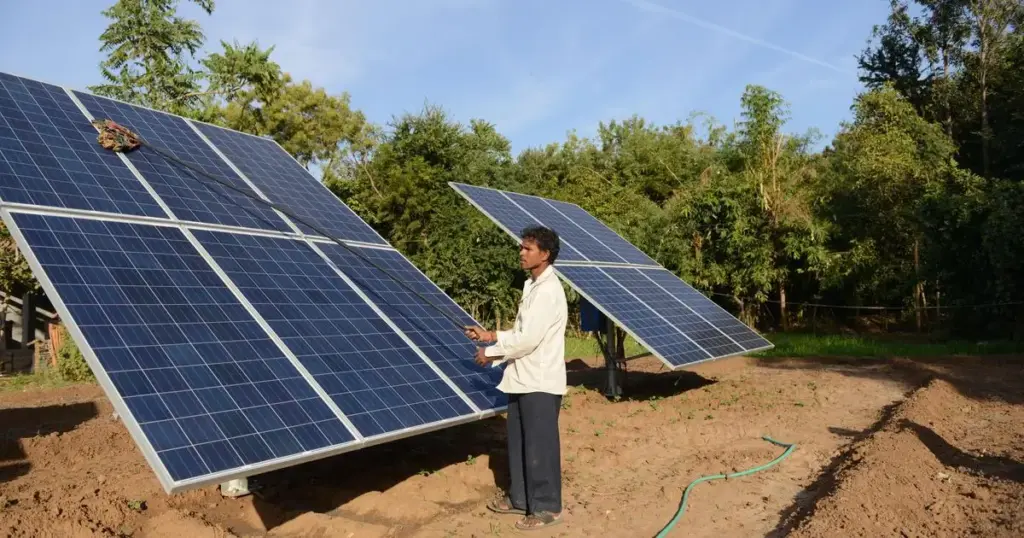
Microgrids provide a decentralized alternative. These systems generate electricity locally—typically using solar panels and battery storage—and distribute it within a defined community.
According to the International Renewable Energy Agency, decentralized renewable systems are now among the most cost-effective solutions for rural electrification.“Microgrids allow countries to leapfrog traditional grid expansion,” said an energy access specialist working with multilateral agencies.
The Scale of the Energy Access Challenge
Energy poverty remains widespread, particularly in sub-Saharan Africa, where access rates remain among the lowest globally. The World Bank estimates that hundreds of millions still lack reliable electricity, limiting economic opportunity and social development.
In Southeast Asia, geography presents a similar challenge. Thousands of islands and mountainous regions make grid expansion difficult and expensive. At the same time, both regions have abundant solar resources, making decentralized solutions highly viable.
How Solar Microgrids Work
Solar microgrids typically include:
- Photovoltaic panels to generate electricity.
- Battery storage systems for reliability.
- Local distribution networks.
These systems produce energy during the day and store excess power for use at night. Unlike centralized grids, microgrids are designed for local demand and can operate independently or connect to national grids when available.
Real-World Deployments Across Regions
Africa: Kenya and Nigeria Lead Adoption
In Kenya, private operators have deployed hundreds of solar mini-grids using pay-as-you-go models. These systems provide households with basic electricity for lighting, phone charging, and small appliances.
Nigeria has also expanded mini-grid programs through government-backed initiatives and international funding partnerships.
Southeast Asia: Indonesia and the Philippines
In Indonesia, solar microgrids are being installed on remote islands to replace diesel generators. The Philippines has adopted similar systems to improve resilience in disaster-prone areas.
“These projects demonstrate that decentralized systems can scale effectively,” said a regional energy advisor.
Tariffs, Affordability, and the Cost Debate
While microgrids are often cheaper than grid extension, electricity tariffs can be higher than national grid prices. This creates a tension:
- Operators must recover costs.
- Consumers need affordable energy.
Pay-as-you-go systems help bridge this gap by allowing households to pay small amounts over time. “Affordability remains one of the biggest challenges,” said a development finance expert.
Reliability: Solar vs Diesel
Traditionally, many remote communities relied on diesel generators. Microgrids offer several advantages:
- Lower fuel costs.
- Reduced emissions.
- Longer daily power availability.
Some solar microgrids now provide 24-hour electricity, compared to limited diesel operation. However, reliability depends on battery capacity and system design.
Economic and Social Transformation
Local Business Growth
Electricity enables small businesses to operate longer hours and use modern equipment. Shops, workshops, and agricultural processing units benefit directly.
Education and Healthcare
Schools gain access to lighting and digital tools, while clinics can store vaccines and operate medical equipment.
Measurable Impact
Studies show electrified communities experience:
- Increased household income.
- Improved productivity.
- Better health outcomes.
“These systems create a multiplier effect across local economies,” said a rural development researcher.
Financing Models Power Expansion
Microgrid deployment relies on innovative financing:
- Blended finance: Combining public and private investment.
- Pay-as-you-go: Flexible payment systems for users.
- Carbon credits: Revenue from emissions reductions.
The World Bank and other institutions play a key role in supporting these models.
Governance and Community Ownership
Some microgrids are community-owned, with local cooperatives managing operations and maintenance. This approach improves:
- System sustainability.
- Local accountability.
- User engagement.
However, it also requires training and governance structures.
Challenges and Criticism
Despite rapid growth, microgrids face skepticism.
Financial Viability
Low-income communities may struggle to sustain long-term payments.
System Failures
Poorly designed projects have failed due to inadequate maintenance or demand forecasting.
Environmental Concerns
Battery disposal and lifecycle management remain unresolved issues. “Not all microgrids succeed—design and execution are critical,” said an energy policy analyst.
Global Significance and Climate Goals
Microgrids are increasingly central to global energy strategies. They support:
- Climate commitments.
- Energy security.
- Decentralized resilience.
The International Renewable Energy Agency estimates that mini-grids could play a major role in achieving universal electricity access.
Related Links
Electrolyzer Boom 2026: The Missing Link Between Solar Panels and Clean Heavy Transport
The Future of Decentralized Energy
Advances in battery storage, digital monitoring, and smart grid integration are expected to improve performance. Hybrid systems combining solar with wind or backup generation are also emerging.
“Microgrids are becoming a permanent feature of the energy landscape,” said an international energy consultant.
FAQs
Q1: What is a solar microgrid?
A localized energy system using solar power and batteries to supply electricity to a community.
Q2: Why are microgrids important?
They provide electricity where grid expansion is not feasible.
Q3: Are microgrids affordable?
They can be cost-effective, but affordability depends on financing and tariffs.