The Biden-Era Solar Subsidies—a sweeping rollback of federal solar subsidies under President Donald Trump—has reshaped the U.S. energy landscape in 2026.
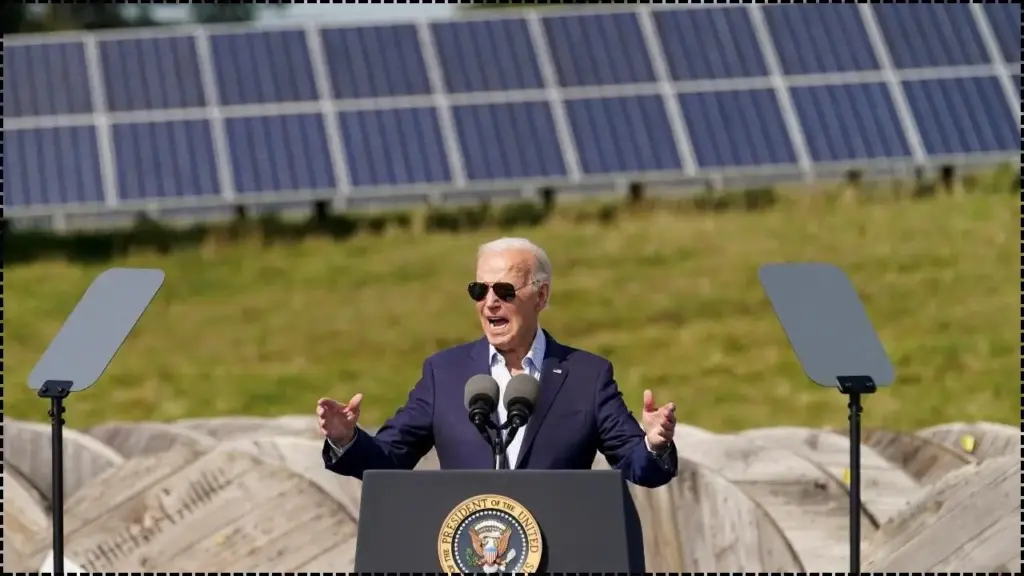
After rapid expansion under former President Joe Biden’s Inflation Reduction Act, new legislation and regulatory changes are reducing incentives, raising costs, and slowing the pace of solar adoption across the country.
Biden-Era Solar Subsidies
| Key Fact | Detail |
|---|---|
| Biden Policy | Major expansion of solar subsidies via IRA |
| Trump Policy | Early termination and restriction of incentives |
| Cost Impact | Up to 30% increase in homeowner costs |
| Market Effect | Slower solar growth expected |
The dismantling of Biden-era solar subsidies marks a pivotal shift in U.S. energy policy. Moving from a subsidy-driven model to a market-based approach has introduced both opportunities and challenges for the solar industry.
The long-term outcome will depend on how policymakers, markets, and consumers adapt to this evolving energy landscape.
Biden-Era Solar Subsidies: A Defining Policy Clash in U.S. Energy
The Biden-Era Solar Subsidies marks a fundamental clash between two competing visions of U.S. energy policy.Under Joe Biden, federal policy emphasized aggressive clean energy expansion through subsidies and incentives.
Under Donald Trump, the focus has shifted toward reducing government intervention and prioritizing market-driven energy development. This transition is not merely administrative—it reflects deeper ideological differences about economic policy, environmental priorities, and the role of government.
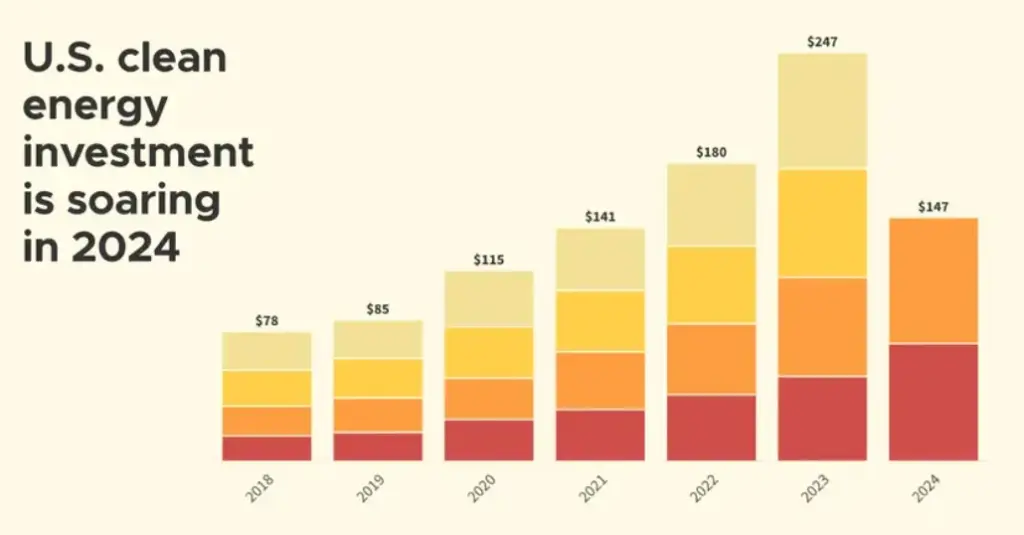
Timeline: From Expansion to Rollback
2022–2024: Biden-Era Expansion
- Passage of the Inflation Reduction Act (IRA).
- 30% residential solar tax credit extended.
- Massive investment in clean energy manufacturing.
- Launch of programs targeting low-income solar access.
2025–2026: Trump-Era Rollback
- Early termination of homeowner tax credits.
- Legislative cuts to renewable incentives.
- Executive orders limiting federal support.
- Regulatory tightening for solar projects.
This compressed timeline has created a sharp policy reversal within just a few years.
Biden’s Solar Strategy: Subsidies as Growth Engine
The Inflation Reduction Act Framework
The IRA represented a subsidy-driven model designed to accelerate adoption. Key provisions included:
- 30% residential tax credit.
- Commercial and utility-scale incentives.
- Manufacturing subsidies.
- Workforce development funding.
Policy experts estimate total clean energy support could exceed $1 trillion over a decade, positioning the U.S. as a global leader in renewable investment.
Trump’s 2026 Rollback: Key Mechanisms
1. Elimination of the Residential Tax Credit
The most immediate and visible change is the end of the homeowner tax credit.
- Previously reduced system costs by 30%.
- Now eliminated entirely for new installations.
This change directly increases the financial burden on households.
2. Regulatory Tightening
Federal agencies have introduced stricter requirements for solar projects:
- Expanded environmental review processes.
- Additional federal land approvals.
- Increased compliance costs.
Developers report longer timelines and higher project risks.
3. Legislative Reductions in Subsidies
Major legislation passed in 2025 introduced:
- Gradual phase-out of renewable tax credits.
- Reduced funding for clean energy programs.
- Reallocation of federal energy spending.
These structural changes underpin the broader rollback.
Trade Policy and Tariffs: Hidden Cost Drivers
Beyond subsidies, trade policy is also affecting solar economics.
Key Developments
- Tariffs on imported solar panels.
- Restrictions on foreign supply chains.
- Incentives for domestic manufacturing.
While intended to strengthen U.S. industry, these measures can increase short-term costs for developers and consumers.
#ResistanceEarth
— Bambooshooti™ 🇺🇸🥁🌊😷💉🌻 (@bambooshooti) April 17, 2026
Thanks to some changes in wording, 90% of the projects that were funded under President Biden's climate-smart farm grants have been awarded new contracts. This is the same program that Agriculture Secretary Brooke Rollins called the "green new scam."…
Supply Chain and Manufacturing Impact
The policy shift has mixed effects on domestic production.
Positive Effects
- Increased focus on U.S.-based manufacturing.
- Growth in domestic supply chains.
Negative Effects
- Reduced demand due to higher costs.
- Uncertainty affecting investment decisions.
Industry analysts say policy stability is critical for long-term manufacturing growth.
Utility Companies and Political Economy
Utilities play a central role in shaping energy policy outcomes.
Utility Concerns
- Managing distributed solar generation.
- Maintaining grid stability.
- Revenue impacts from reduced electricity sales.
Some utilities have supported policies that limit rooftop solar expansion, arguing for centralized energy systems.
Market Impact: Slower Growth and Structural Change
Installation Slowdown
Forecasts indicate:
- Reduced growth in residential solar.
- Delays in large-scale projects.
- Lower investor confidence.
Shift Toward Leasing Models
As ownership becomes more expensive:
- Leasing and third-party ownership are increasing.
- Subscription-style solar is gaining traction.
This reflects a broader transformation in how solar is financed.
Legal and Constitutional Challenges
The rollback has triggered legal disputes.
Key Issues
- Whether previously allocated funds can be rescinded.
- Authority of executive actions to alter subsidies.
- Contractual obligations with developers.
Several lawsuits from industry groups and states are ongoing, potentially shaping future policy direction.
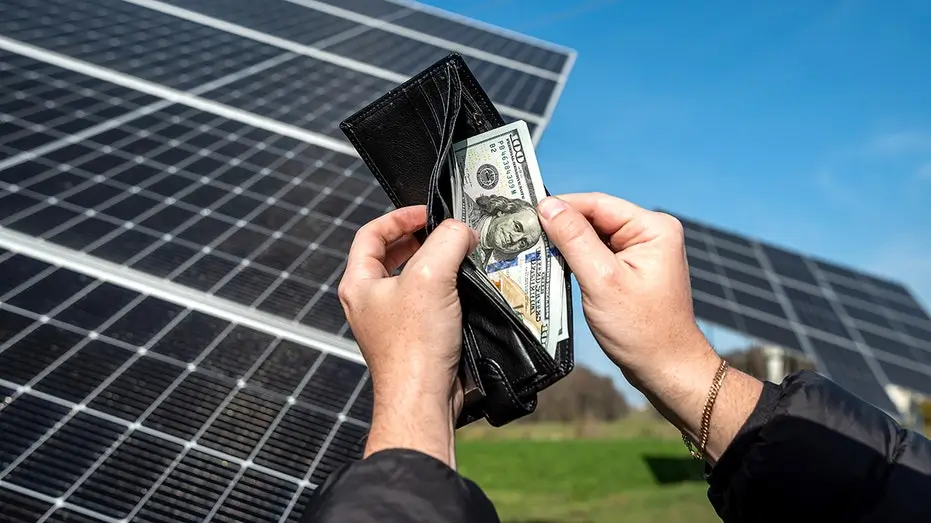
Impact on Households: A Financial Reality Check
Cost Comparison
Before 2026:
- $20,000 system → ~$14,000 after credit
After 2026:
- $20,000 system → full cost
This shift significantly affects affordability.
Who Is Most Affected?
- Middle-income households.
- First-time solar adopters.
- Regions without strong state incentives.
Low-income programs may also face uncertainty depending on funding decisions.
Voter and Political Implications
Energy policy is becoming a key political issue.
Public Opinion Divides
- Some voters support reducing government spending.
- Others favor continued clean energy investment.
Solar policy may influence:
- State-level elections.
- Federal energy debates.
- Climate policy discussions.
Global Context: U.S. Diverges from Clean Energy Trends
While the U.S. reduces subsidies:
- Europe continues expanding renewable support.
- China dominates solar manufacturing.
- India increases residential solar incentives.
This divergence could affect U.S. competitiveness in the global energy transition.
Environmental and Climate Impact
Potential Consequences
- Slower emissions reductions.
- Increased reliance on fossil fuels.
- Delayed clean energy transition.
Climate analysts warn that policy reversals could undermine long-term environmental goals.
Expert Perspectives
Energy economists and policy experts remain divided.
- Supporters of rollbacks argue for market efficiency.
- Critics warn of economic and environmental setbacks.
One analyst noted that “policy stability is critical for long-term investment in clean energy infrastructure.”
Related Links
The “Crop-Shield” Effect: How Agrivoltaics is Saving Water for Farmers While Generating Power
Tokenized Solar: Investing in Solar Farms via Fractions (NFTs/Tokens) – A New 2026 Trend
Future Outlook: What Comes Next?
Possible Scenarios
- Continued Rollbacks: Further reduction in federal support.
- State-Led Expansion: Increased reliance on regional policies.
- Policy Reversal: Potential restoration of subsidies under future administrations.
FAQs
What changed in 2026?
Federal solar subsidies were reduced or eliminated under new policies.
Why are subsidies being rolled back?
The administration argues they distort markets and increase federal spending.
Is solar still viable?
Yes, but growth may slow and depend more on state policies and financing models.