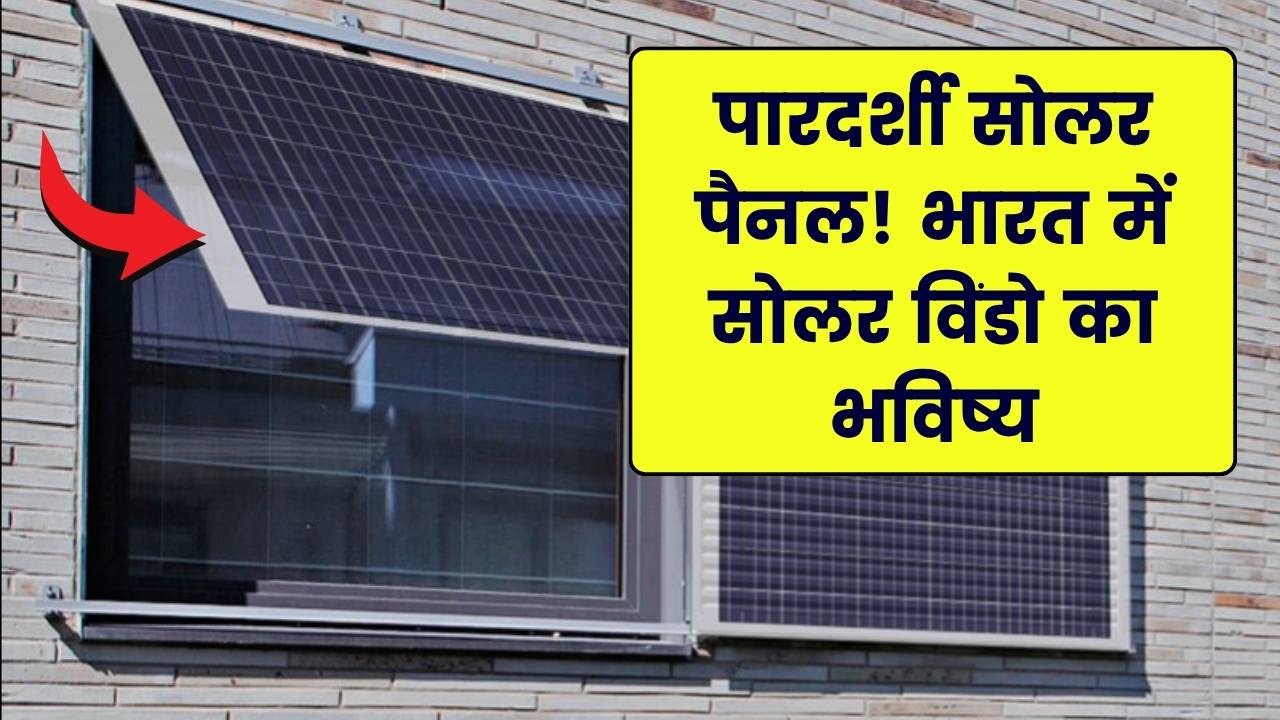
In 2026, Canada solar rebates are entering a new phase as federal programs wind down and provincial incentives take center stage.
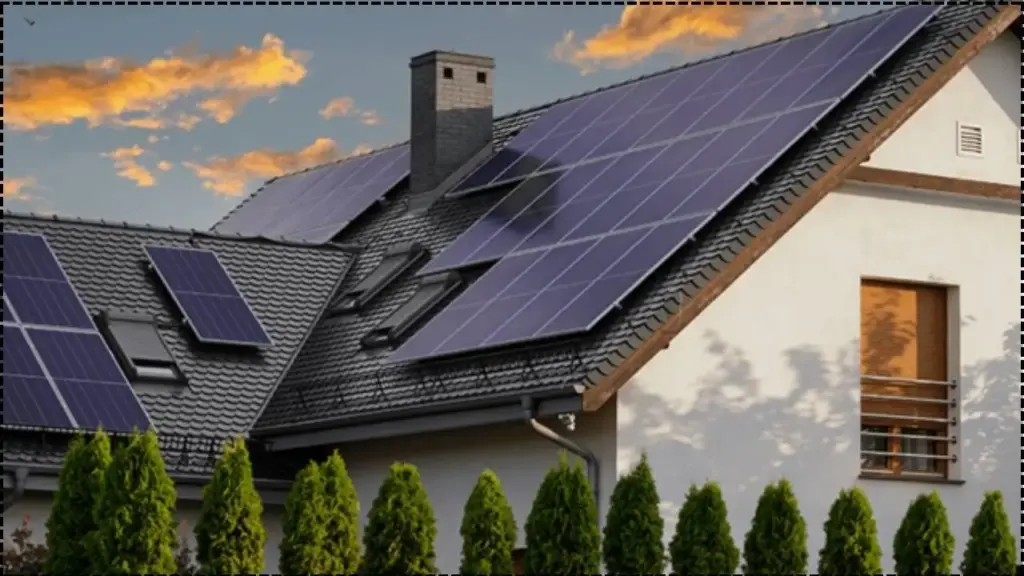
Homeowners can still access up to $10,000 in combined solar and battery rebates, but eligibility, funding, and application steps vary widely—making careful planning essential for maximizing savings.
Canada Solar Rebates 2026
| Key Fact | Detail/Statistic |
|---|---|
| Maximum Rebate | Up to $10,000 (solar + battery) |
| Federal Grants | Closed by 2025 |
| Payback Period | ~7–12 years |
| Electricity Savings | $25,000–$40,000 lifetime |
Canada Solar Rebates 2026: A Shift from Federal to Provincial Support
The most significant development in Canada solar rebates 2026 is the transition away from federal incentives. Programs such as the Canada Greener Homes Grant and interest-free loans closed to new applicants between 2024 and 2025, marking the end of a national subsidy framework.
As a result, provincial and municipal governments now lead solar incentive programs, creating a fragmented but still substantial support system. Homeowners must now rely on region-specific rebates, utility programs, and local financing options to reduce installation costs.
Energy policy analysts note that decentralizing incentives allows provinces to tailor programs to local grid needs, but also introduces complexity for consumers navigating multiple systems.
Where the $10,000 Comes From
Ontario: Combined Solar and Battery Incentives
Ontario offers one of the most comprehensive packages:
- Up to $5,000 for solar panels.
- Up to $5,000 for battery storage.
- Total potential rebate: $10,000.
These incentives are delivered through provincial energy-efficiency programs, supporting residential clean energy upgrades.
British Columbia: Matching Incentives
British Columbia provides a similar structure, with combined rebates reaching up to $10,000 for solar and battery systems.
Other Provinces
- Prince Edward Island: Up to $10,000 total, depending on system size.
- Manitoba: Up to $5,000.
- New Brunswick: Up to $3,000.
- Quebec: Incentives based on system capacity, typically $1,000 per kW installed.
In contrast, provinces such as Alberta focus more on financing tools and municipal-level incentives rather than direct rebates.
Total Costs: What Homeowners Actually Pay
Solar installation costs in Canada vary depending on system size and location:
- $18,000–$35,000 before incentives.
- $13,000–$25,000 after rebates in many provinces.
Battery systems typically add:
- $14,000–$16,000 installed.
Even with incentives, upfront costs remain significant, which is why financing programs play a critical role in adoption.
Net Metering: The Hidden Financial Benefit
One of the most important—but often overlooked—benefits of solar is net metering, a policy that allows homeowners to send excess electricity back to the grid in exchange for credits.
Key features:
- Credits reduce future electricity bills.
- Excess summer production offsets winter consumption.
- Available in most provinces with varying rules.
Energy experts say net metering can significantly improve the economics of solar installations, sometimes shortening payback periods by several years.
Canada Solar Rebates 2026 Claim Canada Solar Rebates
The process for claiming Canada solar rebates 2026 generally follows these steps:
1. Obtain a Certified Installer Quote
Select a licensed installer and receive a system design proposal.
2. Confirm Program Eligibility
Some rebates require pre-approval before installation begins.
3. Install the System
Ensure compliance with building codes, electrical standards, and permitting requirements.
4. Submit Documentation
Required materials typically include:
- Proof of purchase.
- Installation certificates.
- Inspection approvals.
- Utility interconnection agreements.
5. Receive Payment
Rebates are usually issued within 4–12 weeks, depending on the province.
Financing and Tax Incentives
In addition to rebates, homeowners may access:
- Low-interest or zero-interest loans for clean energy upgrades.
- Property-assessed financing programs.
- Local utility financing.
Although residential tax credits are limited compared to the United States, some provinces provide indirect financial incentives through energy-efficiency programs.
Long-Term Savings and Payback
Solar systems typically pay for themselves over time through reduced electricity costs:
- Payback period: 7–12 years.
- System lifespan: 20–30 years.
- Estimated savings: $25,000–$40,000.
After the payback period, energy generated is effectively free, aside from minimal maintenance costs.
Environmental and Grid Impact
Canada’s solar expansion is closely tied to national climate targets. Increasing solar adoption helps:
- Reduce greenhouse gas emissions.
- Lower reliance on fossil fuels.
- Improve grid resilience during peak demand.
In 2026, federal investments in clean energy projects exceeded $28 million, supporting innovation and infrastructure development.
Equity and Access Challenges
Despite strong incentives, access to solar remains uneven:
Upfront Cost Barriers
Even with rebates, initial investment remains high for many households.
Regional Disparities
Provinces offer different levels of support, creating unequal opportunities.
Housing Limitations
Renters and condominium owners often lack access to rooftop installations. Experts suggest expanding community solar programs and shared energy models to address these gaps.
Risks and Considerations
Homeowners should also be aware of potential risks:
Installer Quality
Not all installers provide the same level of expertise or service quality.
Program Availability
Some rebate programs operate on limited annual budgets and may close early.
Policy Changes
Incentives can change quickly, affecting long-term financial planning.
Maintenance and Warranty
While solar systems are generally low maintenance, inverter replacements and battery lifespan should be considered.
The Growing Role of Battery Storage
Battery systems are becoming increasingly important in solar installations:
- Store excess energy for later use.
- Provide backup power during outages.
- Optimize savings under time-of-use electricity pricing.
In provinces offering battery rebates, these systems can significantly improve overall return on investment.
Outlook: What Comes After 2026
The future of Canada solar rebates is expected to evolve in several ways:
- Expanded provincial programs and funding.
- Greater integration of battery storage.
- Potential introduction of new federal incentives.
- Declining technology costs reducing reliance on subsidies.
Energy analysts suggest that within the next decade, solar adoption may become widespread even without heavy government support.
Related Links
Biden vs Trump: How Trump’s 2026 Policies are Dismantling Biden-Era Solar Subsidies
Final Word
The Canada solar rebates 2026 landscape reflects a transition toward localized energy policy and long-term sustainability goals. While navigating multiple programs can be complex, homeowners who understand the system can significantly reduce installation costs and secure long-term savings.
As one energy policy expert noted, “The shift is less about subsidies and more about building a resilient, decentralized energy future.”
FAQs
Are federal solar rebates still available?
No. Federal residential grants ended by 2025, shifting focus to provincial programs.
What is the maximum rebate in 2026?
Up to $10,000, depending on location and system type.
Does net metering apply everywhere?
Most provinces offer it, but rules and compensation rates vary.
How long does it take to get a rebate?
Typically 4–12 weeks after application approval.
Is solar worth it financially?
Yes, particularly in regions with high electricity costs and strong incentives.