Solar power remains a serious financial option for many Canadian households in 2026, especially in Ontario and Alberta. While federal grants have closed to new applicants, provincial incentives, financing programs, and higher electricity prices continue to support demand.
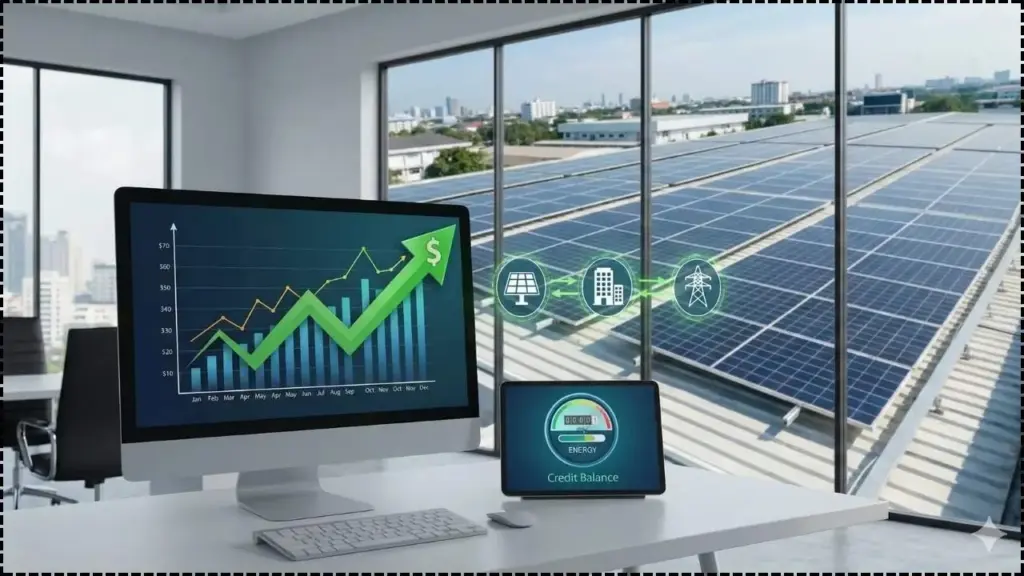
For homeowners who plan to stay in their property for several years, rooftop solar can still deliver strong long-term savings and a hedge against future utility costs.
Solar Payback 2026
| Key Fact | Ontario | Alberta |
|---|---|---|
| Typical Residential Payback | 7–12 years | 5–10 years |
| Main Advantage | High retail power rates, rebates | Strong sunlight, no PST, export credits |
| Key Support Program | Home Renovation Savings Program | CEIP financing |
| Long-Term Benefit | Lower bills for 25+ years | Faster ROI in many cases |
Solar remains a credible long-term investment in both Ontario and Alberta in 2026, but the strongest returns depend on property-specific factors. Alberta often leads on speed of payback, while Ontario can still work well through incentives and strategic energy use.
For homeowners with a suitable roof and a multi-year time horizon, the case for solar remains intact.
Why Solar Still Matters in 2026
The economics of solar have changed in Canada. Early markets relied heavily on direct rebates and feed-in tariffs. Today, the case for solar is more closely tied to avoided electricity bills, financing tools, and equipment that lasts longer and performs better.
Most modern solar panels carry performance warranties of around 25 years, and many systems continue producing beyond that period. Battery storage is also becoming more common, allowing households to use more of their own power during evenings or outages. That shifts solar from a simple bill-saving tool into a broader household energy asset.
Ontario: Slower Payback, Strong Policy Support
Ontario remains one of Canada’s largest residential solar markets. The province does not have the strongest sunlight, but it does have large population centres, higher peak electricity prices, and financing options that improve affordability.
Typical Costs in Ontario
A standard residential system of 7.5 to 10 kilowatts in Ontario typically costs about CAD 18,000 to CAD 35,000 before incentives, depending on roof complexity, equipment choice, battery inclusion, and installer pricing.
Incentives in Ontario
The Home Renovation Savings Program offers support for eligible clean energy upgrades, including solar and battery systems. Multiple sources report combined support reaching roughly CAD 10,000 to CAD 12,000 depending on configuration and program rules.
A key condition matters: some program pathways do not allow participation in net metering. That means homeowners may need to choose between an upfront rebate and ongoing export credits. This decision can significantly affect payback.
Net Metering and Rate Design
Ontario’s time-of-use pricing can make self-consumed solar energy more valuable, especially during peak periods. Households that use electricity during daytime hours or pair solar with batteries may see stronger savings than homes that consume most power late at night.
Expected Payback
Typical residential payback in Ontario is estimated at 7 to 12 years, depending on system size, financing cost, energy use habits, and whether the homeowner uses rebates or net metering.
Alberta: Faster Returns Driven by Sunlight and Power Prices
Alberta is widely seen as one of the strongest residential solar markets in Canada. The province combines high solar resource levels with market-based electricity prices that can make self-generation attractive.
Strong Solar Production
Cities such as Calgary and Edmonton receive more annual sunshine than many parts of Canada. More sunlight generally means more electricity generation from the same rooftop system.
Cost Advantages
Alberta has no provincial sales tax, which reduces the total installed cost relative to provinces that charge HST or PST. For many households, that lowers the hurdle to adoption.
Financing Through CEIP
The Clean Energy Improvement Program (CEIP) allows eligible property owners in participating municipalities to finance upgrades through their property tax bill. Terms often extend over many years, reducing upfront cash needs.
Export Credits and Micro-Generation Rules
Under Alberta’s micro-generation framework, households can receive credits for surplus electricity exported to the grid. The value depends on retailer plans and market conditions. That creates both opportunity and some variability.
Expected Payback
Many residential systems in Alberta are estimated to recover their cost in 5 to 10 years, with stronger cases often found in homes with high daytime use or favourable retailer credit plans.
What Else Determines Real Solar Returns?
Headline payback numbers are useful, but household results can differ sharply.
1. Roof Orientation and Shading
South-facing roofs with limited shade usually perform best. Trees, chimneys, or neighbouring buildings can reduce production.
2. Household Consumption Pattern
Homes that use electricity during solar production hours often benefit more because they consume their own power directly.
3. Financing Cost
Borrowing can preserve cash flow, but interest costs may lengthen payback. Low-rate municipal programs can improve economics.
4. Battery Storage
Batteries add cost, but they can improve self-consumption, support backup power, and reduce purchases during expensive hours.
5. Future Utility Prices
If grid electricity prices rise faster than expected, solar savings increase. If prices remain flat, returns may be slower.
Risks and Constraints Homeowners Should Consider
Solar is not a guaranteed fit for every property.
- Households planning to move soon may not stay long enough to capture full returns.
- Older roofs may need replacement before installation.
- Poor installer quality can reduce system performance.
- Program rules can change over time.
- Export credit structures may differ by utility or retailer.
Experts often recommend requesting multiple quotes, reviewing warranty terms, and modelling production conservatively.
Is Solar Better Than Other Investments?
Solar differs from stocks or bonds because the return often comes through avoided expenses rather than direct cash income. In practical terms, each kilowatt-hour generated reduces the need to buy electricity from the grid.
For many households, that can resemble a predictable, tax-free reduction in living costs. However, unlike liquid financial assets, rooftop solar is tied to the property and cannot be sold instantly.

Ontario vs Alberta: Which Province Looks Stronger in 2026?
Alberta generally offers the stronger pure-payback case because of sunlight, electricity market dynamics, and lower sales tax. Ontario offers a broader policy framework and large consumer base, with strong cases where rebates, batteries, and peak pricing align well.
That means the better province on paper may not be the better fit for a specific home. Roof design, utility bills, and available financing often matter more than province-wide averages.
Related Links
Is Home Solar More Expensive in 2026? The End of the Federal Residential Tax Credit Explained
Tokenized Solar: Investing in Solar Farms via Fractions (NFTs/Tokens) – A New 2026 Trend
Expert View: What Homeowners Should Ask Before Buying
Before signing a contract, homeowners should ask:
- What is the guaranteed annual production estimate?
- What assumptions are used for future utility prices?
- Does the quote include monitoring and warranty service?
- What happens if the roof needs work later?
- How do rebate and net metering rules apply to this system?
- What is the payback under conservative assumptions?
These questions often reveal whether a proposal is robust or overly optimistic.
FAQs
Is solar still worth it in Ontario in 2026?
Yes, many homes can still achieve payback in 7 to 12 years, especially where incentives or high daytime electricity use apply.
Why is Alberta often better for solar?
Higher sunshine levels, lower tax burden, and export credit opportunities can improve returns.
How long do solar panels last?
Most panels are designed for 25 years or more, with gradual performance decline over time.
Do batteries always improve payback?
Not always. They add cost, but may improve savings where electricity rates vary sharply or backup power is valuable.
Should I wait for better technology?
Panels continue to improve, but waiting also delays years of potential bill savings.