
Italy’s Superbonus, which offered up to 110% tax deductions on home renovations, has largely ended for new solar panel installations by 2026.
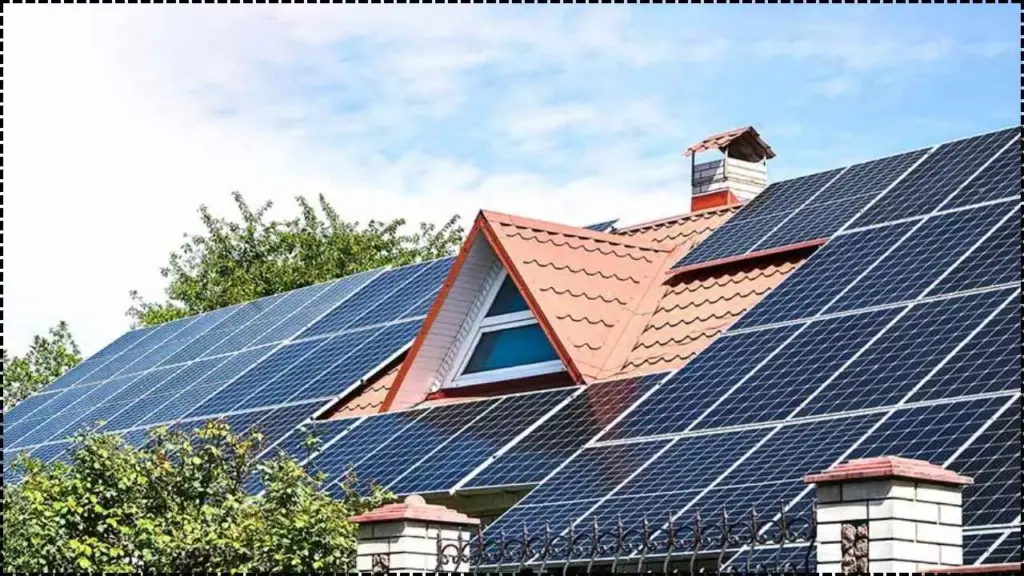
However, new tax incentives remain in place for solar and battery installations, offering a streamlined path to energy savings and environmental benefits.
2026 Solar & Battery Tax Credits
| Key Fact | Detail/Statistic |
|---|---|
| End of Superbonus | No longer available for standalone solar systems |
| Solar Panel Tax Deduction (Ecobonus) | 50% for primary homes, 36% for second homes |
| Battery Installation Credit | Eligible for 50% deduction when paired with solar |
The Superbonus Era: What’s Changed?
The Superbonus 110%, introduced in 2020, was a groundbreaking incentive designed to boost Italy’s energy efficiency by offering homeowners the ability to claim 110% of costs back for energy-efficient renovations and upgrades, including solar panel systems.
However, due to budgetary constraints and inefficiencies in the program, the Superbonus has been phased out for new solar installations as of 2026. While many benefitted from the program’s extensive tax credit, which allowed for substantial energy savings and renovations with little to no upfront costs, these perks are no longer available for new solar projects in 2026.
For homeowners who already installed solar panels before the end of 2025, tax credits may still apply under specific conditions.
Current Solar & Battery Incentives in 2026
Though the Superbonus is a thing of the past, there are still substantial incentives for solar panels and energy storage systems in Italy, aimed at continuing the country’s push for clean energy:
Solar Panel Tax Deduction (Ecobonus)
The Ecobonus remains a key incentive for residential installations:
- Homeowners can deduct 50% of the cost of installing solar panels for primary residences, with a spending limit of €96,000 per property.
- Second homes or non-primary residences are eligible for 36% tax deductions on similar installations.
- Deductions are spread over 10 annual tax returns.
This structure is more manageable than the Superbonus but still offers significant savings. It’s important to note that these credits apply only to solar systems installed on the building’s roof and do not cover other costs like heating unless bundled with other energy-saving measures.
Example: If a homeowner spends €20,000 installing a solar system, they can deduct €10,000 over 10 years, making it a financially viable option in the long term.
Battery Storage Incentives
The incentives for battery storage systems are in line with solar panels — ensuring a holistic energy solution for homes looking to maximize their renewable energy production:
- 50% tax deduction for homeowners installing solar batteries alongside solar panels, applicable for primary residences.
- Batteries help store excess solar energy, improving self-consumption and reducing reliance on grid electricity.
- 36% deduction applies for non-primary residences.
Together, solar panels and batteries form an integrated energy system, reducing grid dependency and offering homeowners more control over their energy usage.
Net Metering and GSE Program
Despite the end of the Superbonus, Italy continues to support energy transition programs such as net metering. Under GSE’s (Gestore dei Servizi Energetici) rules, excess electricity generated by home solar panels is fed into the national grid, and homeowners receive credits that can offset their energy bills.
- The net metering system allows users to receive credits for excess energy supplied to the grid, which can be used to reduce future utility costs.
- This program ensures that, even without immediate financial incentives like the Superbonus, users can still recover costs through long-term energy savings.
Other Incentives Available for 2026
While the Superbonus may have ended for many, other funding schemes remain active to support energy efficiency projects across Italy:
- Conto Termico 3.0: This fund offers direct contributions for energy-saving initiatives, including solar installations. It targets both public and private entities with specific goals, such as reducing emissions and enhancing energy efficiency.
- Renewable Energy Communities (CERs): A rising trend in Italy is the development of local energy communities, where households and businesses collaborate to generate and share renewable energy, benefiting from additional subsidies for joint solar projects.
Challenges Faced by Solar & Battery Installations in 2026
Despite these benefits, there are challenges to navigating the current incentives:
- Administrative Complexity: The application process for tax deductions is more streamlined than the Superbonus but still requires careful documentation, including bonifico parlante (payment via a specific bank transfer).
- Transfer of Credits: Previously, the cessione del credito (credit transfer) mechanism allowed homeowners to sell their tax credits to banks or other entities. This feature has been scaled back in 2026, making it more difficult for homeowners to benefit from immediate financial relief through credit transfers.
For those installing solar and battery systems, it’s important to budget for upfront costs, as the instant discounts of the Superbonus are no longer available.
Planning for the Future: Tips for Homeowners
To successfully navigate the 2026 tax credit framework, homeowners can follow these tips:
- Know Your Property Type: Residential installations on primary homes are eligible for the full 50% deduction, while second homes receive 36%. Make sure to verify which category your property falls into.
- Work with Certified Installers: The installation must be conducted by licensed professionals to qualify for the tax credits. Certified installers can help ensure compliance and avoid complications when filing taxes.
- Track All Eligible Costs: The installation of the solar system, batteries, inverters, and necessary electrical work all qualify for deductions, so make sure to keep receipts and documentation organized.
- Plan for Long-Term Savings: While you may not receive immediate financial relief through a credit transfer, the net metering and long-term tax deductions provide savings over time.
- Evaluate Solar + Battery Systems: Pairing solar panels with battery storage is an excellent investment for homeowners who want to maximize energy savings, reduce reliance on the grid, and take advantage of the 50% tax deduction on both systems.
Related Links
Martin Lewis Just Issued a Warning on Solar Panels – Here’s What Every Homeowner Must Know
NZU Light 2026: The Czech Subsidy Making Solar Possible for Low-Income Households
Looking Ahead: The Energy Transition in Italy
Italy’s energy transition, even in the absence of the Superbonus, remains strong. With ongoing tax incentives, the country continues to push for widespread adoption of renewable energy technologies in homes, businesses, and communities.
As we approach 2026 and beyond, the focus will shift toward energy independence, decarbonization, and clean energy solutions. The changes to the tax incentive landscape may make the process of going solar more gradual, but they ensure that sustainable energy solutions remain a priority for Italy’s future.
FAQs
What is the main difference between the Superbonus and the current incentives?
The Superbonus provided up to 110% tax deductions for solar panel installations, while the current incentives offer 50% for primary residences and 36% for secondary homes.
Can I still transfer my tax credits from solar installation?
The cessione del credito option has been largely phased out for solar-only systems, making it harder for homeowners to receive immediate financial relief through credit transfers.
How long do the tax benefits last?
The solar panel and battery storage tax benefits last 10 years, with deductions spread across annual returns.