In 2026, Portugal’s government launched an expanded version of its Vale Eficiência program to combat energy poverty while also advancing the country’s renewable energy transition. The initiative offers vouchers to help low-income households cover the costs of solar panel installations, energy storage, and other efficiency measures.

Energy poverty remains a significant challenge in Portugal, with many households struggling to afford rising electricity prices. By including solar panels in the Vale Eficiência 2026 program, the government is providing a sustainable, long-term solution that not only lowers electricity bills but also helps meet Portugal’s climate goals under the EU’s Green Deal.
Portugal’s ‘Vale Eficiência’ 2026
| Key Fact | Details |
|---|---|
| Voucher Allocation | Households can receive up to €1,300 for solar and efficiency measures |
| Eligible Measures | Includes solar panels, battery storage, and energy efficiency upgrades |
| Target Groups | Focuses on low-income households and those eligible for social energy tariffs |
| Program Budget | €100 million allocated to the program for 2026 |
Solar Power as a Long-Term Solution
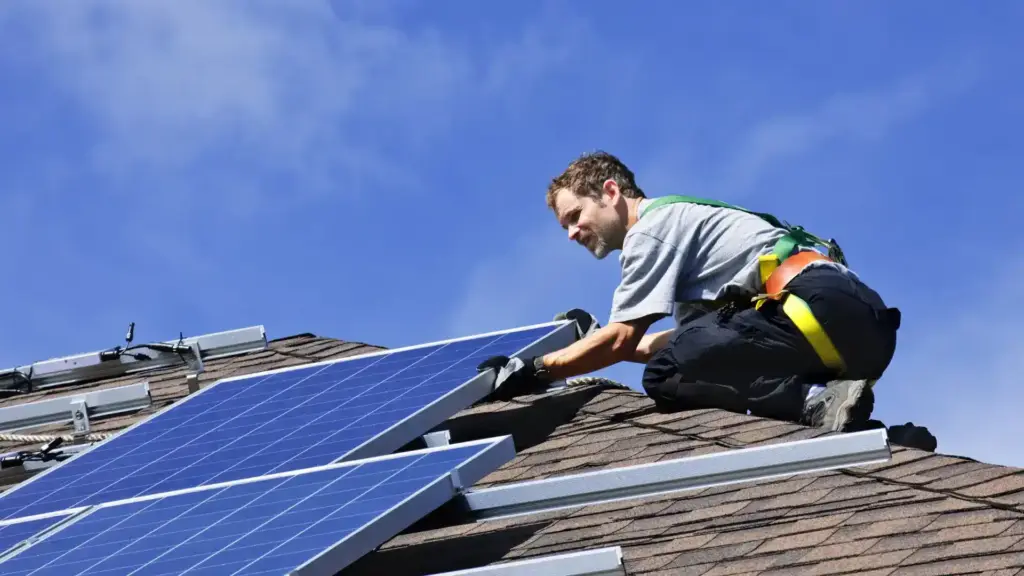
The expansion of solar power in the Vale Eficiência program marks a transformative step in addressing energy poverty in Portugal. Solar panels enable households to generate their own electricity, significantly reducing dependence on expensive grid power.
This is especially important in a country where energy prices have been rising. In 2026, the program has added solar power as an eligible expense, allowing households to apply for vouchers specifically for the installation of photovoltaic systems.
This expansion reflects Portugal’s growing commitment to renewable energy and its desire to ensure that low-income families can benefit from solar energy without the upfront costs typically associated with solar installations.
A New Era in Solar Energy Adoption
With energy storage systems now also eligible for funding, the Vale Eficiência 2026 program allows households to combine solar panels with batteries, enabling them to store excess solar energy for use during the night or on cloudy days.
This dual solution maximizes energy savings and ensures a more reliable, self-sufficient energy source for vulnerable households. By allowing both solar panel installations and battery storage, the program is helping residents move toward energy independence.
Households can produce their own power, reduce their reliance on traditional electricity providers, and significantly lower their carbon footprint.
How the Vale Eficiência Program Is Fighting Energy Poverty
Portugal’s energy poverty crisis is partly driven by high electricity prices and the inability of many households to invest in more energy-efficient technologies. In particular, elderly and low-income families struggle to afford basic heating and cooling in their homes.
Vale Eficiência aims to break this cycle by lowering household energy costs through energy-efficient home upgrades and renewable solar energy installations. By making these technologies more affordable and accessible to the most vulnerable populations, the program directly addresses the issue of energy inequality.
In 2026, the government has set aside €100 million to fund this initiative, expanding its reach and impact to thousands of low-income households across the country. The program targets both energy efficiency upgrades (like insulation and energy-efficient appliances) and solar installations to offer a comprehensive solution to reducing energy consumption and costs.
Comparing Vale Eficiência with Other EU Programs
Portugal’s Vale Eficiência program is not unique in Europe; other countries have similar schemes that aim to combat energy poverty through renewable energy adoption and energy efficiency. For example:
- Germany’s KfW Program offers subsidized loans for energy-efficient home upgrades and solar installations.
- France’s MaPrimeRénov’ focuses on energy renovation with financial aid for homeowners to improve energy efficiency, including support for solar panels and battery storage.
While similar in objectives, Portugal’s Vale Eficiência is notable for its targeted focus on vulnerable households and its inclusion of solar power in the eligibility criteria, ensuring a direct path to self-sufficiency for those most in need.
Role of Local Governments and Stakeholders
Local governments play a critical role in the successful implementation of the Vale Eficiência program. By acting as intermediaries, parish councils (Junta de Freguesia) and local authorities can help residents navigate the application process, especially those who may face barriers to digital access.
Additionally, solar installers and energy efficiency professionals will be integral to ensuring that households receive quality service and timely installations.
Public Engagement and Energy Awareness
For the program to reach its full potential, public awareness campaigns will be vital. Ensuring that residents understand the benefits of solar and how to access the program will be key to driving adoption.
By educating households on how energy efficiency and solar power can reduce long-term costs, the government can encourage more families to participate in the program.
Related Links
France Solar Bonus 2026: Get Paid to Install Panels with the New ‘Prime à l’investissement’
Life After Superbonus: Understanding Italy’s New 2026 Solar & Battery Tax Credits
What’s Next for Portugal’s Renewable Energy Future?
The Vale Eficiência program fits into Portugal’s broader energy transition goals, which aim to decarbonize the country’s energy sector by 2050. By providing vulnerable households with access to solar power and energy efficiency upgrades, the program is contributing to both climate goals and social equity.
In the coming years, Portugal will likely see increased investments in solar power and a continued focus on expanding access to clean energy for all, especially low-income communities.
The success of Vale Eficiência 2026 could pave the way for similar initiatives in other EU countries and contribute significantly to achieving EU-wide renewable energy targets.
A Sustainable and Inclusive Energy Future
Portugal’s Vale Eficiência 2026 program is a transformative initiative that combines solar energy adoption with energy efficiency measures to combat energy poverty.
By supporting low-income households and providing them with the tools to reduce energy costs, Portugal is making strides toward a greener, more equitable future. As the program continues to roll out, it offers a valuable model for other nations seeking to address both energy poverty and climate change.