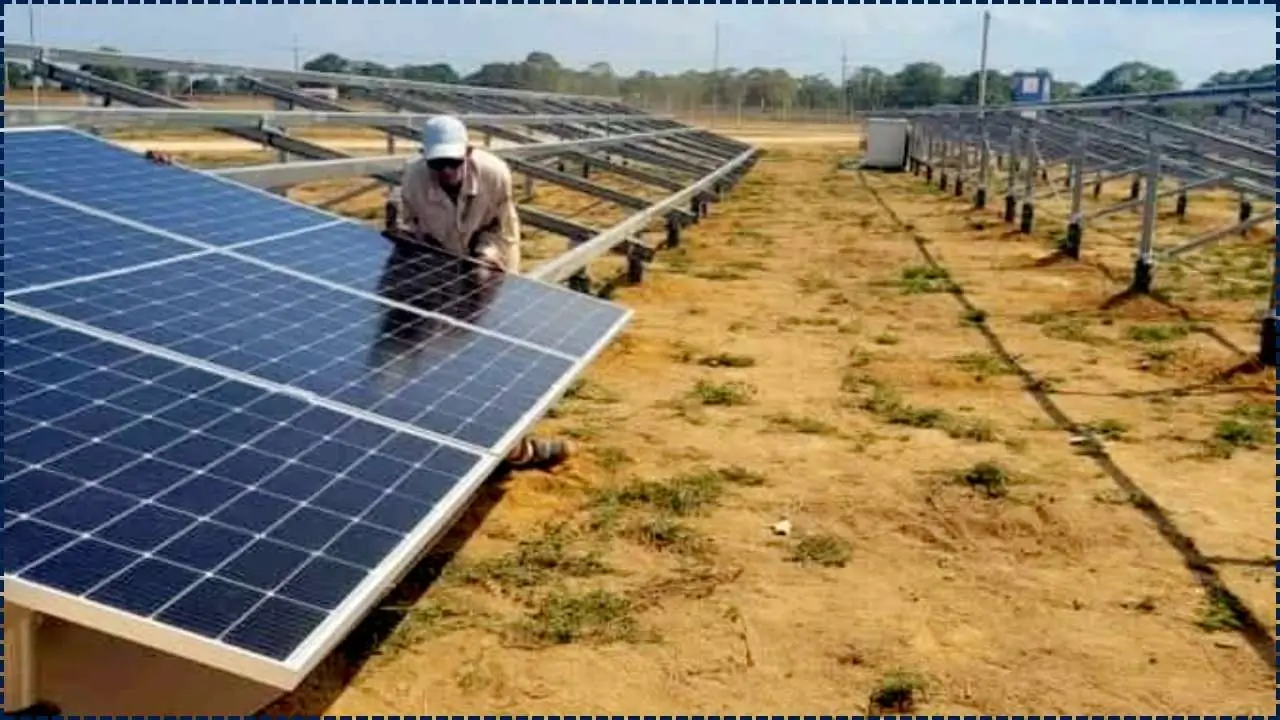
Spain solar incentives 2026 are approaching a decisive moment, with taxpayers facing a closing window to secure up to a 60% IRPF tax deduction for energy-efficient home renovations.

The benefit—part of Spain’s broader climate strategy—requires qualifying upgrades to be completed and certified before December 31, 2025, after which significantly reduced incentives are expected.
Spain Solar Incentives 2026
| Key Fact | Detail |
|---|---|
| Maximum tax deduction | Up to 60% for deep building renovations |
| Deadline | Work completion by Dec 31, 2025 |
| Certification requirement | Energy certificate before Jan 2026 |
| Future incentives | Likely reduced to 10–20% |
As the deadline for Spain’s most generous solar incentive approaches, homeowners face a narrowing opportunity to secure substantial tax savings. The 60% IRPF deduction offers significant financial relief but demands careful coordination, compliance, and timing.
With policy changes expected in 2026, the coming months are likely to define the success of Spain’s residential energy transition efforts.
Spain Solar Incentives 2026: Policy Overview
Spain’s renewable energy incentives are rooted in its commitment to European Union climate targets, including cutting greenhouse gas emissions and improving building efficiency.
The IRPF deduction scheme rewards homeowners and communities for reducing energy demand through renovations. Introduced in 2021 amid rising energy costs, it has become one of the most generous tax relief programs in Europe.According to government guidance, the system is tiered:
- 20% deduction for modest efficiency improvements.
- 40% deduction for significant energy reductions.
- 60% deduction for deep, building-wide renovations.
The highest tier is designed to encourage comprehensive upgrades rather than isolated improvements.
How the 60% IRPF Deduction Works
Eligibility Requirements
To access the maximum 60% deduction, applicants must meet strict criteria:
- Renovations must apply to entire residential buildings, not individual units.
- Energy consumption must fall by at least 30%, or.
- The building must achieve an A or B energy rating.
- Certified energy performance reports must be issued before and after renovation.
The deduction applies to personal income tax and can be spread across multiple tax years, with a maximum base of approximately €15,000.
Financial Impact: Real-World Example
A typical building renovation project costing €20,000 per household could generate:
- Deduction base capped at €15,000.
- 60% deduction = €9,000 tax savings.
For many households, this significantly reduces the effective cost of energy upgrades. Energy analysts say this level of support has been “instrumental in accelerating adoption,” particularly in urban apartment complexes.
Why Solar Panels Alone Are Not Enough
Although solar photovoltaic systems are central to Spain’s energy transition, they often do not qualify for the 60% deduction on their own. Experts emphasize that:
- Solar panels reduce electricity consumption
- But building-wide efficiency improvements are needed for maximum deduction.
These may include:
- Thermal insulation upgrades.
- Window replacements.
- Heating and cooling system modernization.
“Deep renovation is the key concept,” said an energy policy researcher at a Spanish university. “The system rewards total efficiency, not just generation.”
Deadline Pressure Before December 2025
Critical Dates
- Work completion deadline: December 31, 2025.
- Final energy certificate: Before January 1, 2026.
Missing either deadline may disqualify the project from current incentives.
Administrative Bottlenecks
Industry professionals warn that:
- Certification delays are increasing.
- Contractor availability is tightening.
- Municipal approvals may slow projects.
This creates a risk that even completed work may fail to qualify if certification is delayed.
Regional Variations and Additional Subsidies
Spain’s decentralized system means incentives can vary by region.
Regional Add-Ons
Some autonomous communities offer:
- Additional grants for solar installations.
- Local tax rebates (IBI or ICIO reductions).
- Faster permitting processes.
For example:
- Catalonia and Valencia have offered extra subsidies.
- Madrid has focused on tax relief and streamlined approvals.
These regional programs can be combined with IRPF deductions, increasing total savings.
Market Surge and Supply Constraints
The approaching deadline has triggered a surge in demand across Spain’s renewable energy sector.
Industry Trends
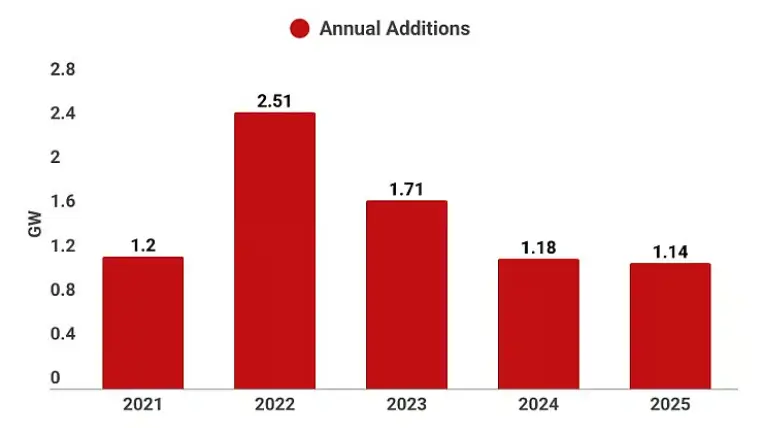
- Solar installations have increased sharply since 2022.
- Renovation firms report full booking schedules.
- Equipment lead times have lengthened.
According to industry associations, demand may exceed capacity before the deadline. “Some communities may simply run out of time,” said a spokesperson for a national solar group.
Risks and Common Mistakes
Experts highlight several pitfalls that could prevent homeowners from claiming the deduction:
Documentation Errors
- Missing invoices.
- Cash payments (non-compliant).
- Incorrect certification details.
Timing Issues
- Late completion.
- Delayed energy certificate.
Eligibility Misunderstanding
- Assuming solar panels alone qualify.
- Not meeting energy reduction thresholds.
Tax advisors recommend early planning and professional guidance.
Policy Outlook: What Changes in 2026
Spain is expected to transition toward a new incentive model starting in 2026.
Anticipated Changes
- Reduced tax deductions (10–20%).
- Focus on self-consumption solar systems.
- More targeted eligibility criteria.
The shift reflects a move from broad stimulus to long-term policy stability. European policymakers are also reviewing funding priorities as pandemic-era recovery programs wind down.
Related Links
SEAI Solar Grant 2026: How to Secure Your €1,800 Rebate Before the Next Revision
Germany Solar Subsidies 2026: New KfW Updates and State-Level Grants for Home Batteries
Expert Analysis
Economists and sustainability experts see the current scheme as a “peak incentive moment.” “This is likely the most generous period Spain will offer for residential energy upgrades,” said an energy economist based in Brussels.
Environmental groups argue that continued incentives will be essential to meet climate targets, particularly in older housing stock.
FAQs
Can renters benefit from the deduction?
No, the deduction applies to property owners responsible for renovation costs.
Are new buildings eligible?
Typically no; the scheme focuses on improving existing buildings.
Can deductions be combined with EU grants?
Yes, but total benefits may be capped depending on funding rules.
Is professional certification mandatory?
Yes, certified energy assessments are required for eligibility.