
France Solar Update 2026 marks a turning point in residential renewable energy policy, as the government reduces the “prime à l’autoconsommation”—a key subsidy for rooftop solar installations.

The updated rates reflect falling system costs and rapid market growth, while signaling a shift toward self-consumption and reduced reliance on public financial support.
France Solar Update 2026
| Key Fact | Detail |
|---|---|
| New bonus level | ~€80/kWc for ≤9 kWc systems |
| Payment method | Single payment after installation |
| Trend | Down ~70–80% since 2022–2023 |
| Policy shift | Focus on self-consumption & storage |
France Solar Update 2026 highlights a decisive shift toward a self-sustaining solar market. While the prime à l’autoconsommation remains available, its reduced value underscores a broader transition away from subsidy-driven growth. As France advances its energy transition, the focus is moving toward efficiency, storage, and long-term sustainability.
France Solar Update 2026: Policy Overview
France’s solar subsidy framework has evolved alongside its broader energy transition strategy. The prime à l’autoconsommation, introduced in 2017, was designed to accelerate rooftop solar adoption by offering direct financial incentives to households.
The program supports installations where homeowners consume part of the electricity they generate while selling surplus energy to the grid. It operates alongside regulated purchase agreements under the national electricity system.
The France Solar Update 2026 reflects a shift in policy priorities. Authorities are gradually reducing financial support as the market matures and installation costs decline.
New 2026 Rates: Lower Incentives, New Economics
Updated Bonus Levels
Under the revised framework:
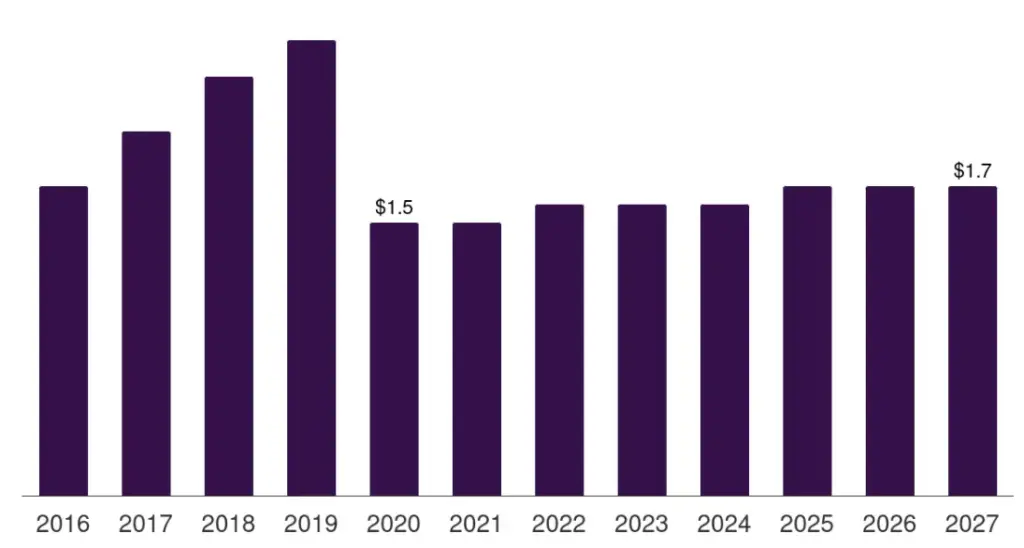
- Around €80 per kilowatt-peak (kWc) for systems up to 9 kWc.
- Slightly higher rates for larger installations (9–36 kWc).
- Typical household bonuses range from €200 to €700.
This represents a steep decline compared with earlier years when incentives were significantly higher.
Example Financial Impact
For a standard residential installation:
- 3 kWc system → ~€240 bonus.
- 6 kWc system → ~€480 bonus.
- 9 kWc system → ~€720 bonus.
While still beneficial, the subsidy now plays a smaller role in overall project economics.
Why the Bonus Is Being Reduced
Declining Technology Costs
Solar panel prices have dropped significantly over the past decade. According to industry data, installation costs in Europe have fallen by more than 50% since 2015. “As solar becomes cheaper, subsidies can be scaled back without slowing adoption,” said a European energy economist.
Strong Market Growth
France has seen a surge in residential solar adoption, driven by:
- Rising electricity prices.
- Increased environmental awareness.
- Government incentives.
The high level of demand has allowed policymakers to reduce support without jeopardizing growth.
Budget and Policy Realignment
The incentive program was partly funded through post-pandemic recovery measures. As those programs wind down, France is transitioning toward a more sustainable fiscal approach.
EU Context: Aligning with Broader Energy Goals
France’s policy changes are consistent with European Union objectives under the Fit for 55 package and REPowerEU plan. These initiatives aim to:
- Increase renewable energy share.
- Reduce dependence on imported fossil fuels.
- Improve energy efficiency across member states.
By shifting toward self-consumption, France is aligning its national policy with EU-wide priorities.
Feed-in Tariff Reductions Reinforce the Shift
Alongside lower bonuses, France has reduced payments for surplus electricity exported to the grid.
Key Changes
- Lower purchase prices for excess solar generation.
- Reduced reliance on guaranteed income streams.
- Greater emphasis on using electricity on-site.
This policy encourages households to optimize their energy use rather than rely on selling power.
Growing Importance of Self-Consumption
Changing Consumer Behavior
The France Solar Update 2026 is driving a shift in how homeowners approach solar investments. Instead of focusing on subsidies, households are increasingly prioritizing:
- Reducing electricity bills.
- Increasing energy independence.
- Managing consumption patterns.
This reflects a broader transition toward decentralized energy systems.
Emerging Role of Battery Storage
Policy Direction
French regulators are exploring ways to integrate battery storage into the subsidy framework. Potential future measures include:
- Incentives tied to storage adoption.
- Support for hybrid solar-plus-storage systems.
- Grid balancing requirements.
Market Trends
Installers report growing interest in batteries as homeowners seek to maximize self-consumption. “Storage is becoming the next step for many solar users,” said a representative from a French renewable energy firm.
Eligibility Criteria for Homeowners
To qualify for the 2026 bonus:
- Solar panels must be installed on a building structure.
- Installation must be completed by a certified professional (RGE).
- System must support self-consumption with surplus sale.
- Capacity must remain below 100 kWc.
The program is not income-restricted, making it widely accessible.
Payment Structure: Faster but Smaller
The updated scheme simplifies payments:
- Bonus paid in a single installment.
- Issued after grid connection is confirmed.
- Managed through the EDF Obligation d’Achat system.
This improves transparency and reduces administrative complexity.
Additional Financial Support
Reduced VAT
Installations up to 9 kWc benefit from a 5.5% VAT rate, lowering upfront costs.
Local and Regional Incentives
Some municipalities offer:
- Additional grants.
- Property tax exemptions.
- Support programs for renewable energy adoption.
These can enhance overall project viability.
Installation Bottlenecks and Industry Challenges
Supply Chain Constraints
Despite strong demand, the sector faces:
- Equipment delays.
- Shortages of skilled installers.
- Regional disparities in service availability.
Administrative Delays
Permitting and grid connection timelines can vary, affecting project completion. Industry groups warn that these factors could slow adoption despite favorable economics.
77% मुनाफा घटते ही धड़ाम हुआ यह सोलर स्टॉक! IPO लिस्टिंग के 6 महीने बाद भी नहीं पकड़ पाया रफ्तार
Risks and Considerations
Reduced Subsidy Impact
Lower incentives mean longer payback periods, especially for smaller systems.
Policy Uncertainty
Future changes in tariffs or regulations could affect long-term returns.
Quality Assurance
Only certified installations qualify for incentives. Poor installation may result in:
- Loss of eligibility.
- Reduced performance.
Expert Analysis
Energy analysts describe the France Solar Update 2026 as part of a broader transition toward a mature renewable energy market.
“The role of subsidies is diminishing as solar becomes economically competitive on its own,” said a policy researcher at a European think tank. However, some experts caution that continued support may still be necessary to meet long-term climate targets.
Related Links
Germany Solar Subsidies 2026: New KfW Updates and State-Level Grants for Home Batteries
The 2027 VAT Deadline: Why 2026 is Your Last Year for 0% Tax on UK Solar
Consumer Strategy: How Homeowners Can Adapt
With lower incentives, experts recommend:
- Designing systems to maximize self-consumption.
- Considering battery storage.
- Evaluating long-term electricity savings.
- Comparing installer quotes carefully.
These strategies can improve return on investment despite reduced subsidies.
FAQs
Is solar still financially viable in 2026?
Yes, but savings depend more on reduced electricity bills than subsidies.
Can I combine the bonus with other incentives?
Yes, including VAT reductions and local programs.
Will incentives continue to decline?
Likely, as the market matures and costs fall.
Should I install a battery?
Not required, but increasingly beneficial for maximizing savings.