Solar operators worldwide are adopting predictive maintenance—a data-driven approach using artificial intelligence and drones—to identify faults before solar panels fail.
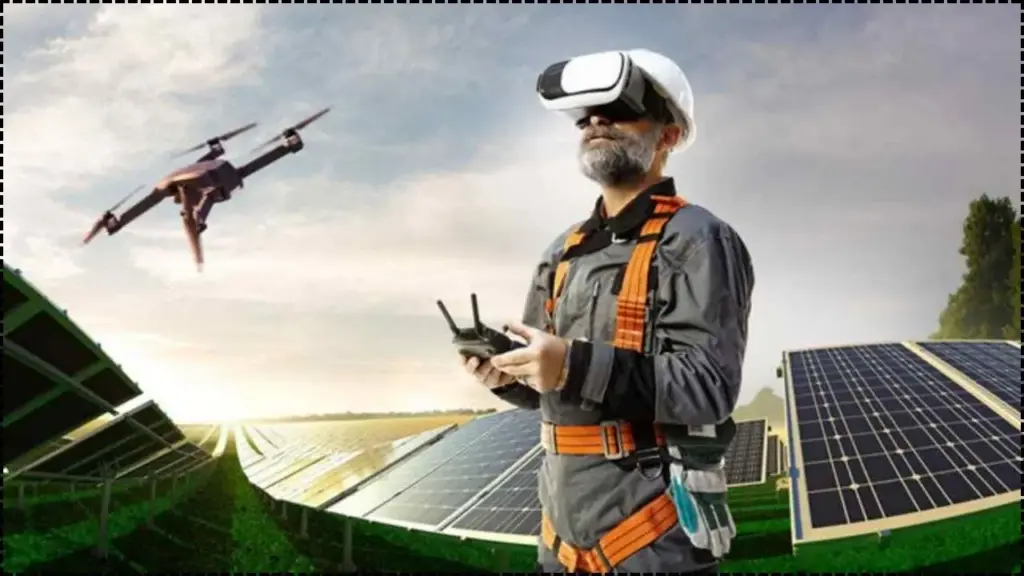
The shift is improving efficiency, reducing costs, and strengthening reliability as global solar capacity expands rapidly.
AI and Drones to Fix Solar Cells
| Key Fact | Detail |
|---|---|
| Inspection efficiency | Up to 80% faster than manual checks |
| Fault detection | Identifies issues before performance loss |
| Adoption | Rapid growth in utility-scale solar farms |
| Key technologies | AI, drones, thermal imaging |
Predictive maintenance is reshaping the solar industry by enabling proactive, data-driven operations. As AI and drone technologies mature, they are expected to become essential tools in ensuring the efficiency, reliability, and sustainability of solar energy systems worldwide.
Predictive Maintenance Is Transforming Solar Operations
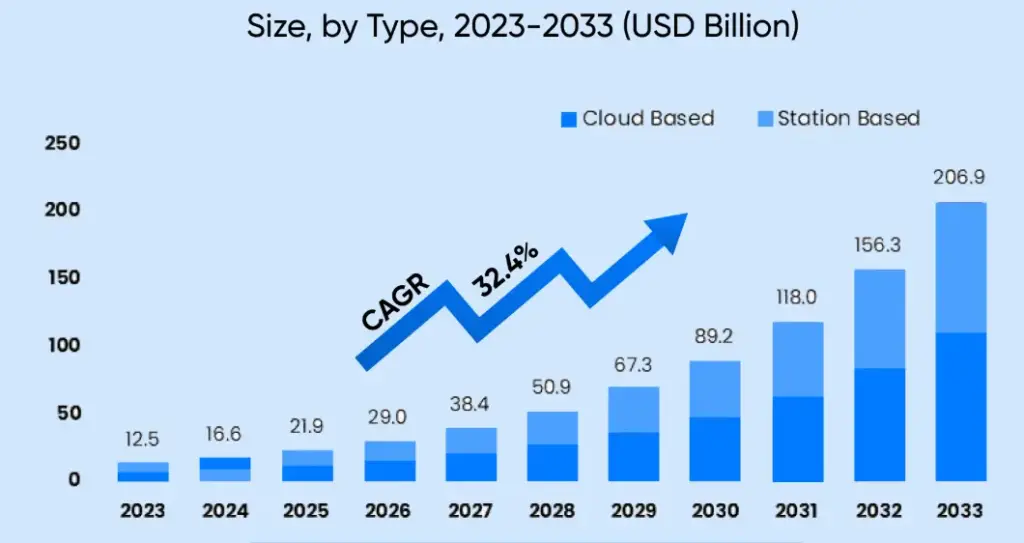
Solar power has become one of the fastest-growing energy sources globally. As installations expand, maintaining system performance has become increasingly complex.
Traditionally, maintenance teams relied on routine inspections and reactive repairs. Problems were often detected only after output declined. Predictive maintenance changes that model. It uses AI algorithms, real-time data, and drone inspections to anticipate failures before they occur.
According to analysts aligned with the International Energy Agency (IEA), improving operational efficiency is essential to maintaining solar’s cost advantage over fossil fuels.
“Predictive systems allow operators to act before performance drops, not after,” said a renewable energy researcher at a European technical institute.
How AI and Drones Work Together
Drone-Based Inspections Replace Manual Labor
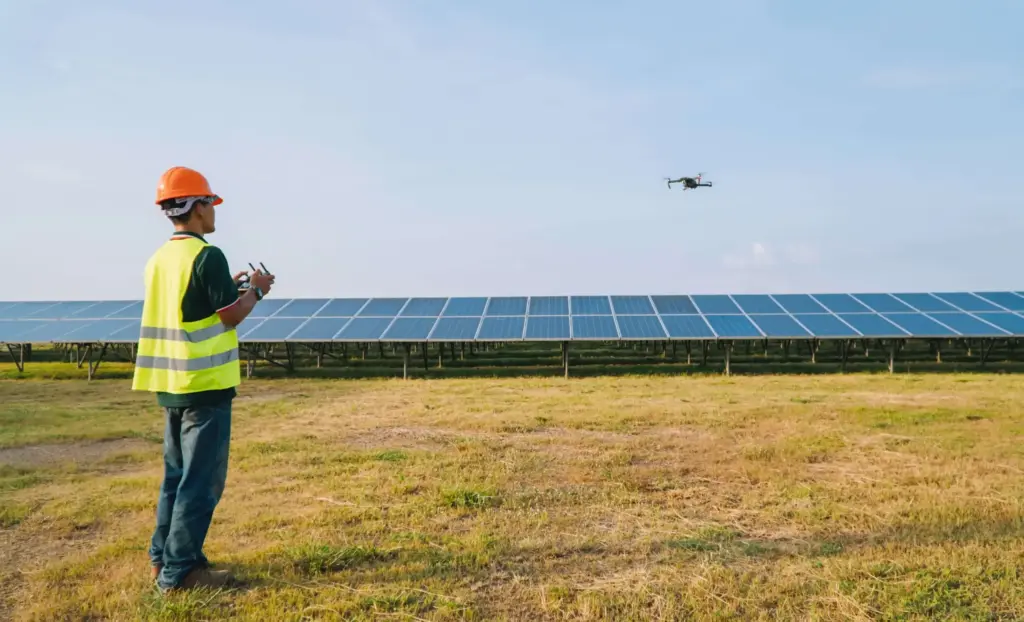
Drones equipped with thermal and high-resolution cameras can scan thousands of panels in a single flight. They detect:
- Heat anomalies indicating defective cells.
- Physical damage such as cracks.
- Dust and debris buildup.
- Electrical inconsistencies.
This reduces inspection time dramatically and improves accuracy.
AI-Powered Fault Detection
Artificial intelligence processes the collected data using machine learning models trained on large datasets. These models identify patterns linked to common failures and continuously improve through learning.
“AI enables detection of micro-level defects that are otherwise missed,” said a senior engineer at a solar analytics firm.
From Monitoring to Predictive Maintenance
Predictive maintenance goes beyond detection. It forecasts failures.
AI systems combine:
- Historical performance trends.
- Environmental factors like temperature and dust.
- Real-time operational data.
This allows operators to schedule maintenance proactively, avoiding costly downtime.
Real-World Case Studies
Utility-scale solar farms are already deploying predictive maintenance systems. In large installations across the United States and Asia, operators use fleets of drones to inspect hundreds of megawatts of capacity weekly.
Some companies report:
- Significant reductions in downtime
- Faster identification of faults
- Improved energy yield
“Predictive analytics has become a core part of asset management,” said a solar operations executive.
Economic Impact: Cost Savings and Financial Benefits
Predictive maintenance offers measurable economic advantages.
Reduced Maintenance Costs
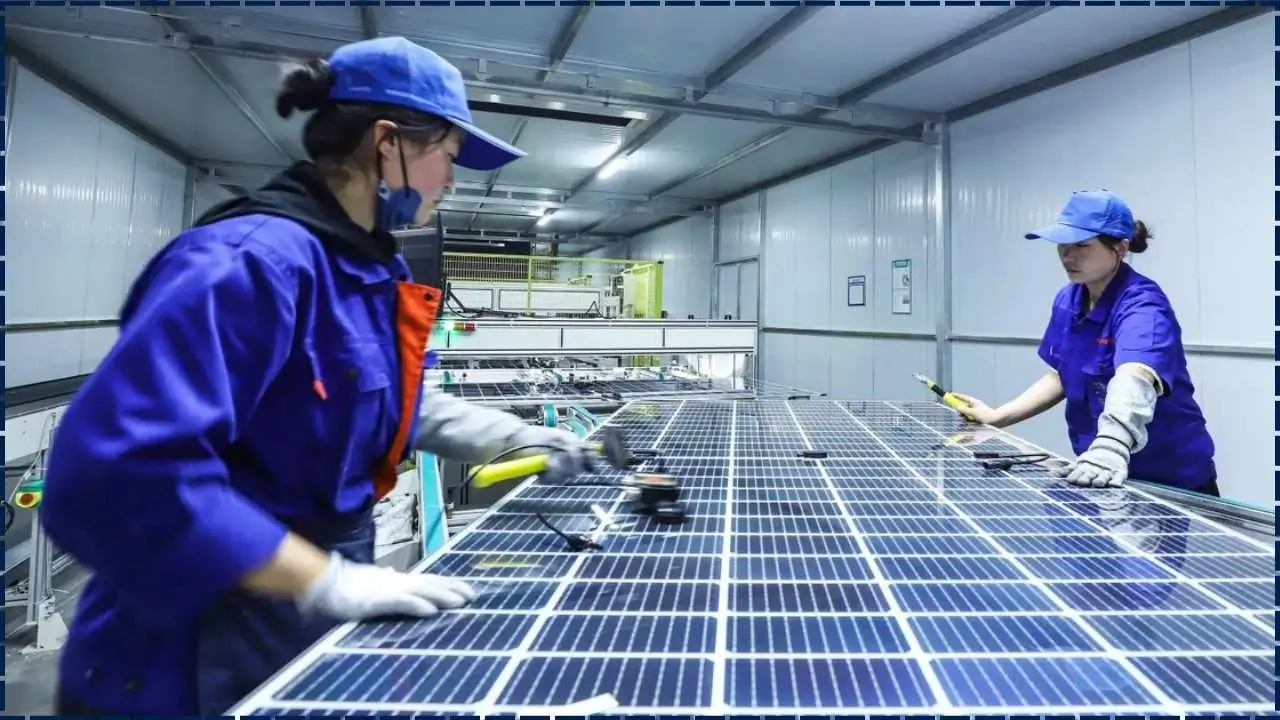
Traditional inspections require large teams and extended downtime. Drone-based systems reduce labor costs and increase efficiency.
Lower Insurance Risk
Insurance providers are beginning to consider predictive maintenance as a risk-reducing factor, potentially lowering premiums for solar operators.
Higher Energy Output
Early fault detection ensures panels operate at optimal capacity, increasing revenue over time.
Regulatory and Policy Considerations
Drone use in solar farms is subject to aviation regulations.
- In the United States, the Federal Aviation Administration (FAA) regulates drone operations.
- In India, the Directorate General of Civil Aviation (DGCA) sets guidelines for commercial drone use.
- In Europe, the European Union Aviation Safety Agency (EASA) oversees drone compliance.
These regulations affect how drones are deployed, especially in large-scale operations.
Cybersecurity and Data Risks
As solar farms become more digitized, cybersecurity risks are increasing. AI systems rely on large volumes of operational data. If compromised, these systems could disrupt energy production or expose sensitive infrastructure data.
“Cybersecurity is becoming as important as physical maintenance,” said a grid security expert.
Workforce Transformation: Jobs Are Changing, Not Disappearing
Predictive maintenance is reshaping the workforce. While it reduces manual inspection roles, it creates demand for:
- Data analysts.
- Drone operators.
- AI specialists.
“This is a shift toward higher-skilled jobs rather than job elimination,” said an energy labor economist.
Environmental Benefits
Predictive maintenance contributes to sustainability by:
- Extending the lifespan of solar panels.
- Reducing material waste.
- Improving overall system efficiency.
These benefits support global climate goals and reduce the environmental footprint of solar energy systems.
Challenges and Limitations
Despite its advantages, predictive maintenance faces challenges:
High Initial Costs
Advanced AI systems and drone fleets require significant investment.
Data Dependence
Poor-quality data can lead to inaccurate predictions.
Over-Reliance on Automation
Experts warn that excessive dependence on AI could create vulnerabilities if systems fail.
Related Links
Blockchain Energy Trading: How You Can Sell Solar Power Directly to Your Neighbor in 2026
Future Outlook: Toward Autonomous Solar Operations
The next phase of innovation may include:
- Self-repairing drones.
- Fully automated monitoring systems.
- Integration with smart grids.
According to the International Renewable Energy Agency (IRENA), digital technologies will play a central role in the future of renewable energy systems.
FAQs
Q1: What is predictive maintenance?
It uses AI and data to predict and prevent equipment failures.
Q2: Why are drones important in solar maintenance?
They enable fast, accurate, and large-scale inspections.
Q3: Does predictive maintenance reduce costs?
Yes, by preventing failures and optimizing maintenance schedules.