Solar energy, a cornerstone of the global push for renewable energy, is undergoing a radical transformation. In 2026, the integration of Artificial Intelligence (AI) with solar systems is making them more intelligent, autonomous, and efficient.
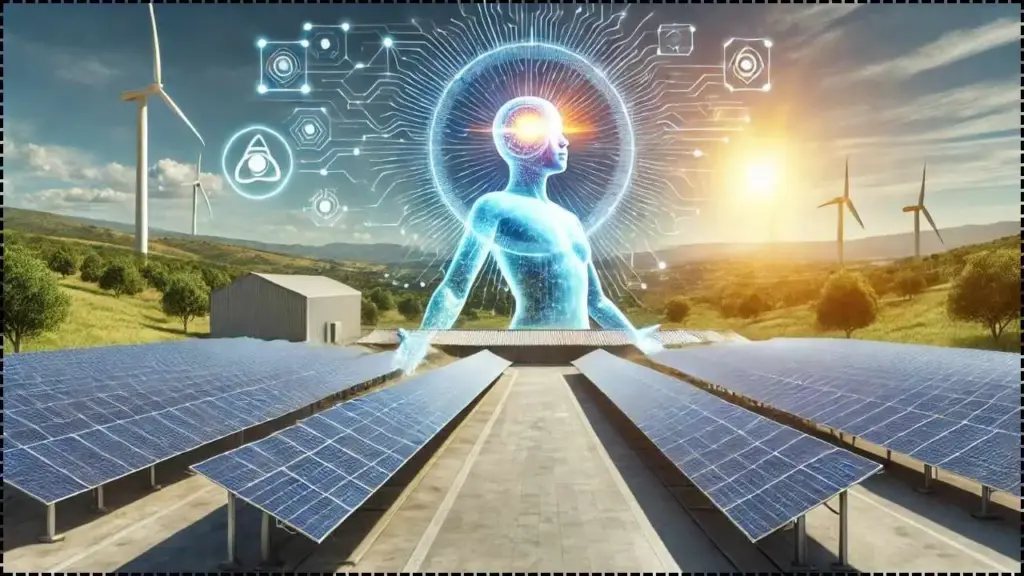
From predicting solar generation to autonomously cleaning panels and optimizing energy management, AI is driving the next generation of solar energy systems. This article explores how AI is reshaping the solar landscape, the benefits it brings, and the challenges that lie ahead.
AI-Integrated Solar
| Key Fact | Detail/Statistic |
|---|---|
| AI’s Role in Forecasting Solar | AI improves energy generation predictions by 30-40% |
| Autonomous Panel Cleaning | AI-driven robots can clean solar panels, improving efficiency by 20% |
| Energy Optimization with AI | AI improves energy storage and usage, reducing costs by up to 30% |
Predicting Solar Generation with AI
A major limitation of solar energy has been its intermittency — solar output is variable and difficult to predict with precision. While weather forecasting has made strides, AI is now playing a critical role in improving solar generation predictions.
AI in Solar Forecasting
AI models use real-time environmental data, satellite imagery, and historical performance data to provide accurate short- and long-term solar forecasts. These models offer a 30-40% improvement in forecasting accuracy over traditional methods.
- Machine learning algorithms analyze cloud cover, temperature, irradiance, and other factors to predict solar output.
- These predictions help grid operators better plan for energy storage and backup generation, while also aiding in smart home energy management systems, optimizing when solar power is stored, used, or exported to the grid.
Autonomous Solar Panel Cleaning: When and How to Clean
Dirty solar panels can lose up to 20-25% of their efficiency due to dust, bird droppings, and environmental contaminants. Keeping panels clean is essential, but traditional cleaning methods can be labor-intensive and inefficient.
AI in Solar Panel Cleaning
AI is helping optimize when to clean solar panels and how to do so with minimal impact on the environment and system efficiency. By analyzing real-time performance data, AI systems determine when cleaning is necessary and what approach to use.
AI-Powered Cleaning Robots
Autonomous cleaning robots, like SolarCleano, use AI and advanced sensors to autonomously clean solar panels. These robots:
- Navigate through solar arrays to detect dirt and debris.
- Adjust their cleaning paths for maximum efficiency, ensuring that panels are cleaned only when necessary.
- Use minimal water and energy, optimizing cleaning schedules based on real-time data, thereby reducing costs and environmental impact.
The Efficiency of AI-Powered Cleaning
AI cleaning robots are particularly beneficial for large-scale solar farms, where traditional cleaning methods would be costly and inefficient. These robots can clean panels autonomously, increasing overall solar efficiency by 20% while cutting costs and maintenance needs.
AI in Solar Energy Management and Optimization
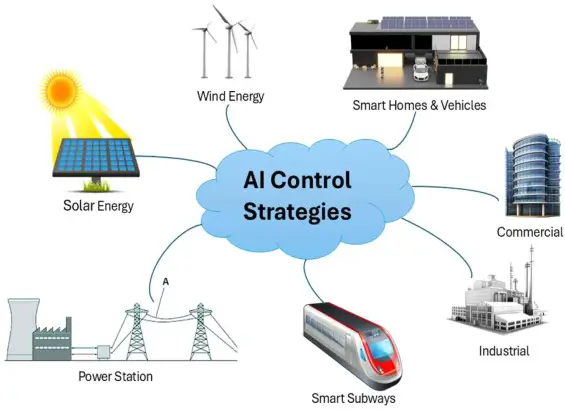
AI is revolutionizing how solar energy systems manage energy generation, storage, and consumption. AI-based energy management systems optimize when to use solar power, store excess energy, and distribute energy to the grid.
AI-Driven Energy Optimization
AI systems analyze solar generation data and real-time energy consumption patterns to optimize the flow of energy. This includes:
- Adjusting energy usage based on solar generation peaks.
- Optimizing battery storage: AI predicts when the solar system should store energy in batteries and when to release it, ensuring that the battery charge cycle is maximized, and energy usage is at its most cost-effective.
- Grid interactions: AI helps integrate solar energy into the smart grid by forecasting when solar power can be exported to the grid or when to draw from the grid.
Solar and storage expected to drive 86 GW capacity surge in the U.S. this year: New federal data shows solar and battery assets will comprise nearly 80% of all new utility-scale power additions planned for… https://t.co/JHQc30C75r #Photovoltaics #EnergyStorage #RenewableEnergy pic.twitter.com/Jd1qPVtfYo
— pv magazine (@pvmagazine) April 29, 2026
AI in Smart Homes
For residential solar systems, AI enhances home energy management by:
- Controlling smart appliances like washing machines, water heaters, and air conditioners, ensuring that they are used when solar energy is plentiful.
- Managing battery storage systems, deciding when to charge or discharge based on usage patterns and energy demand.
AI and Solar Panel Manufacturing
AI is also revolutionizing solar panel manufacturing. In addition to improving solar generation and maintenance, AI optimizes the production of solar cells, ensuring high quality and cost reduction.
- AI models monitor quality control during manufacturing to reduce defects.
- AI-driven systems help in the development of next-generation solar materials, such as perovskites, and optimize the printing and deposition processes for solar cells, reducing costs and improving efficiency.
AI in Solar Battery Systems
Solar energy systems are often paired with energy storage systems, such as lithium-ion batteries, to store excess power for later use. AI plays a key role in optimizing solar battery systems, including:
- Predicting battery charge and discharge cycles based on solar generation forecasts and energy consumption patterns.
- Increasing battery lifespan by ensuring that the batteries are used optimally and not overcharged or discharged.
- Integrating with smart grids to optimize battery dispatch during peak demand hours, reducing reliance on fossil fuels.
Global Solar Industry’s Transition to AI
Globally, AI integration into solar power is becoming a major trend:
- Europe, the US, and Asia are heavily investing in AI research to improve solar energy efficiency and grid integration.
- Countries like China are leading the way in AI-driven solar farm optimization, using AI to predict and manage solar panel outputs on a massive scale.
- The European Union’s Green Deal supports AI-based energy management systems to integrate solar power into broader clean energy strategies.
AI for Solar System Customization
AI can also customize solar panel systems based on a variety of factors:
- Geographic location: AI considers latitude, altitude, and weather patterns to design optimal solar setups.
- Energy consumption habits: AI algorithms learn your home’s energy needs and recommend the ideal panel configuration to meet those needs.
This means homeowners and businesses can get tailored solar solutions that maximize energy production and efficiency.
Case Studies: Real-World Applications of AI in Solar
Case Study 1: SolarSeer’s AI Forecasting
SolarSeer, an AI software used by solar farms, predicts energy output by analyzing satellite data and weather conditions. This allows solar farms to optimize energy storage and reduce reliance on non-renewable power sources.
After implementing SolarSeer, one US solar farm reported a 25% reduction in energy costs due to more accurate forecasting and efficient storage management.
Case Study 2: AI in Solar Panel Cleaning at Large Farms
In California, AI-powered cleaning robots have been deployed on large solar farms. The robots use AI algorithms to detect dirt and grime on panels and clean only those panels that are most impacted by dust. As a result, these farms have seen a 15% increase in energy output, while reducing water usage by 40%.
Related Links
Austria’s EAG Grant 2026: Secure Your Funding for Solar Systems Up to 20kWp
The End of Net Metering? What Dutch Homeowners Need to Know About ‘Saldering’ in 2026
Challenges and the Road Ahead
Despite the significant progress, challenges remain:
- Data privacy concerns as AI systems handle vast amounts of data from solar systems.
- The initial cost of installing AI-powered systems can be high, though this cost is expected to decrease over time as the technology becomes more widespread.
The integration of AI into solar power is still in its early stages, but the benefits in efficiency, cost savings, and sustainability are undeniable.
The Smart Sun Era
AI is making solar energy smarter, more efficient, and easier to manage. From predicting solar generation and autonomous panel cleaning to intelligent energy optimization and customized solar solutions, AI is revolutionizing how solar energy is harnessed, stored, and used.
As AI continues to improve solar technology, we can expect to see even greater efficiencies and more sustainable energy solutions that contribute to a greener future. The future of solar energy is bright — and it’s powered by artificial intelligence.