India’s clean energy ambitions are entering a transformative phase with a landmark initiative to boost the green hydrogen economy. Central to this development is a ₹4,440 crore (approximately $590 million) funding package designed to promote electrolyzer manufacturing, a key component in green hydrogen production.
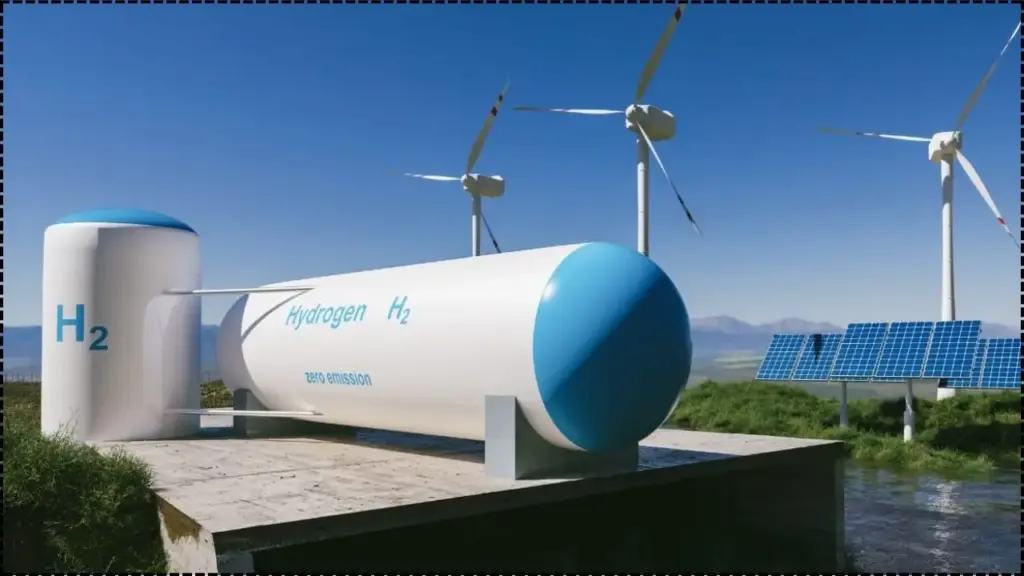
This financial push is part of the larger National Green Hydrogen Mission (NGHM), which seeks to position India as a global leader in clean energy while simultaneously addressing climate change and energy security.
What Is Green Hydrogen and Why Is It Important?
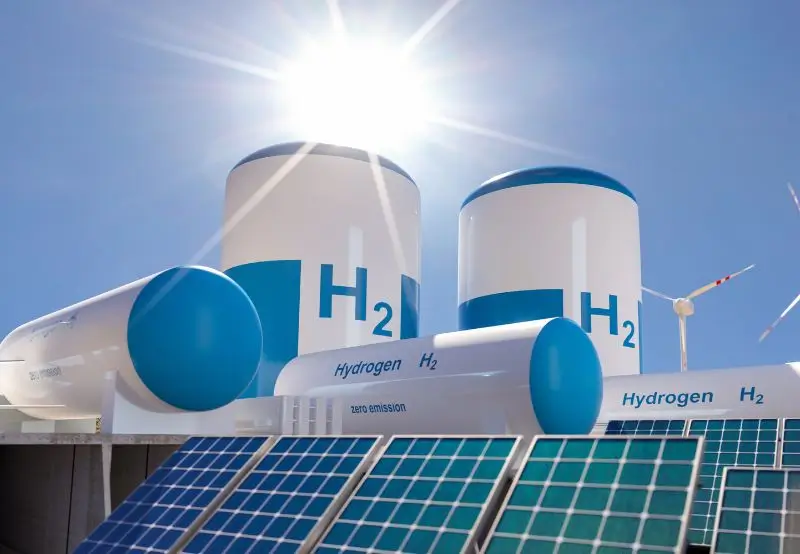
Green hydrogen is produced by using renewable energy sources, such as solar or wind power, to split water molecules into hydrogen and oxygen. Unlike grey hydrogen, which is derived from fossil fuels, green hydrogen is seen as a zero-emission fuel with the potential to decarbonize industries like steel, cement, and refining.
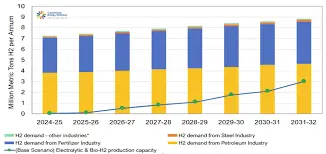
With the global shift towards cleaner energy and the urgency to meet climate goals, India’s green hydrogen aspirations are integral to its larger climate commitments under the Paris Agreement. The government has set an ambitious target to produce 5 million tonnes of green hydrogen annually by 2030.
The ₹4,440 Crore Electrolyzer Incentive
At the core of India’s strategy to scale green hydrogen is the ₹4,440 crore electrolyzer incentive. Electrolyzers are the technology used to produce hydrogen through electrolysis by splitting water molecules.
However, electrolyzers are capital-intensive, making up a significant portion of the cost of green hydrogen production. The government’s financial support aims to make this technology more affordable and scalable.
The incentives, allocated under the Strategic Interventions for Green Hydrogen Transition (SIGHT) programme, will:
- Boost electrolyzer manufacturing by incentivizing domestic production.
- Drive down the cost of green hydrogen, making it more competitive with fossil fuels.
- Develop local technological capabilities in India’s hydrogen sector.
The ₹4,440 crore funding is part of a broader ₹17,490 crore initiative under the National Green Hydrogen Mission, which is expected to play a central role in India’s green energy transition.
Why Electrolyzer Incentives Matter
Domestic Manufacturing Capacity: A Strategic Move
Currently, India depends on imports for electrolyzer technology, predominantly from Germany and China. By incentivizing local production, the government aims to create a self-sufficient supply chain for electrolysis technology.
This not only reduces import costs but also ensures the long-term security of supply for India’s hydrogen projects. The new initiative encourages private sector investments, which could lead to the creation of thousands of green jobs in manufacturing, research, and development.
Reducing the Cost of Green Hydrogen
Electrolyzers currently constitute 30-40% of the total cost of green hydrogen production. By reducing the capital investment needed for electrolyzers, India aims to reduce hydrogen costs and bring them closer to the price of grey hydrogen.
The Indian government’s goal is to make green hydrogen cost-competitive with conventional energy sources, which will be crucial for its widespread adoption across industries.
Attracting Investment and Technological Innovation
The incentive scheme is also designed to attract foreign direct investment (FDI) in India’s green hydrogen sector. The growing demand for clean energy solutions across the world is likely to draw international players eager to partner with Indian companies.
Moreover, this will foster technological innovation within India, encouraging local firms to improve and scale up electrolyzer technology.
Global Comparison: India’s Position in the Green Hydrogen Race
India’s electrolyzer incentive plan aligns with global trends where countries are looking to dominate the green hydrogen space. For example:
- Germany, a key player in the hydrogen economy, is investing billions of euros to support electrolyzer production and hydrogen infrastructure.
- The European Union (EU) aims to deploy 40 GW of electrolyzer capacity by 2030, a large-scale target in line with the EU’s climate goals.
- Australia has announced plans to become a major exporter of green hydrogen, using its abundant renewable energy resources to produce affordable hydrogen.
India, however, stands out with its focus on domestic manufacturing and creating jobs in its renewable energy sector. By providing subsidies for electrolyzer manufacturers, India is establishing a competitive advantage by positioning itself as a key player in the global hydrogen market.
Environmental and Economic Benefits of Green Hydrogen
Supporting India’s Climate Commitments
Green hydrogen will be essential for India to meet its climate change mitigation goals. With sectors like steel, chemicals, and cement contributing to high carbon emissions, green hydrogen offers a viable decarbonization solution.
Moreover, scaling up production of green hydrogen will help India become less reliant on imported fossil fuels, improving its energy security.
Economic Growth and Job Creation
The green hydrogen push is expected to create significant economic value. From manufacturing electrolyzers to the deployment of hydrogen in industry, millions of new jobs could be generated. In addition, India could become an exporter of green hydrogen, potentially unlocking new markets across Asia, Europe, and North America.
Challenges and Criticisms
While the ₹4,440 crore incentive is a promising step, several challenges remain:
- High Initial Costs: Even with financial incentives, the high upfront cost of electrolyzers and infrastructure remains a barrier for many small businesses and startups.
- Technology Risk: The electrolysis technology itself is still evolving, and there are risks regarding its efficiency and long-term durability.
- Geopolitical Factors: International competition in the hydrogen market is heating up, and India will need to navigate global trade relations and technology partnerships carefully to ensure its dominance.
Related Links
PM Kusum Yojana 2026: A Step-by-Step Guide for Farmers to Get Solar Pump Subsidies
The Solar Waste Crisis 2026: New Regulations for Mandatory “End-of-Life” Panel Recycling
India’s Green Hydrogen Future
India’s ₹4,440 crore electrolyzer incentive is more than just a financial stimulus—it is a strategic intervention to establish the country as a leader in the global green hydrogen economy.
By fostering domestic manufacturing and reducing costs, India is taking significant strides towards decarbonizing its energy-intensive industries, securing a cleaner energy future, and attracting foreign investment.
The push for green hydrogen is integral not just for India’s energy future, but for global climate action. As India continues to scale its efforts, the green hydrogen ecosystem is expected to flourish, powering a sustainable energy transition both within the country and across the world.