
India’s power sector is entering a phase of heightened demand, often described as a Summer Power Boom, prompting global brokerage Jefferies to issue ‘Buy’ ratings on JSW Energy, NTPC Limited, and two solar manufacturing firms.

The brokerage expects a combination of extreme weather, economic growth, and policy support to drive sustained electricity demand across the country.
What is Driving the Summer Power Boom?
Jefferies’ thesis centres on a convergence of cyclical and structural drivers. India is witnessing rising electricity consumption due to:
- Increasing temperatures and frequent heatwaves.
- Expansion in urban housing and air-conditioning penetration.
- Growth in industrial and manufacturing output.
- Rapid digitalisation, including data centres.
According to analysts, electricity demand in India could grow at around 6% annually in the medium term, supported by these factors.
A key short-term catalyst is weather. Meteorological agencies have warned of above-normal temperatures, which typically lead to spikes in power usage for cooling, irrigation, and commercial operations.
Demand Patterns: Households vs Industry
Rising Household Consumption
Residential demand is emerging as a major driver. Increased affordability of air conditioners and appliances has significantly raised per capita electricity usage.
Energy economists note that cooling demand alone could account for a substantial share of peak load during summer months.
Industrial and Commercial Demand
Industrial consumption is also recovering alongside economic growth. Sectors such as steel, cement, and manufacturing are witnessing increased activity, boosting electricity requirements.
The expansion of data centres—driven by India’s digital economy—is another major contributor. These facilities require continuous, high-volume power supply, creating stable demand for utilities.
JSW Energy: Growth-Led Strategy Gains Attention
JSW Energy has emerged as Jefferies’ top pick. The company is expanding across thermal, hydro, and renewable energy segments. Its strategy includes:
- Increasing renewable capacity significantly.
- Investing in battery storage solutions.
- Strengthening long-term power purchase agreements.
Analysts believe this diversified approach enhances resilience while positioning the company for future growth. Market participants also note that JSW Energy has shown strong execution in project delivery, which remains a key differentiator in the sector.
NTPC: Stability Backed by Scale
NTPC Limited continues to dominate India’s power generation landscape. Its large installed capacity and government backing provide earnings stability. The company is undergoing a gradual transition:
- Expanding renewable portfolio (solar and wind).
- Maintaining base-load thermal capacity.
- Investing in green hydrogen initiatives.
Analysts say NTPC’s regulated business model ensures predictable returns, making it attractive for long-term investors.
Renewable Players: Beneficiaries of Policy Push
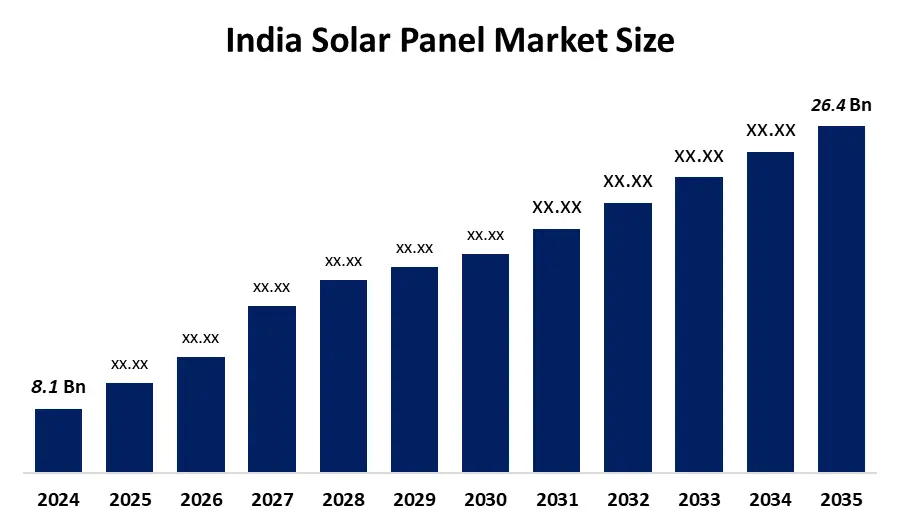
Solar manufacturers like Premier Energies and Emmvee are gaining traction due to government incentives. India’s push for domestic manufacturing, including production-linked incentives (PLI), aims to reduce dependence on imports. This has created a favourable environment for local solar firms.
Industry experts say the solar segment could see double-digit growth as installations accelerate across residential and industrial sectors.
Market Reaction and Stock Performance
Following Jefferies’ report, investor interest in power and renewable stocks has increased. Shares of key companies have shown upward momentum, reflecting optimism around demand growth.
Market analysts caution, however, that valuations in some segments have already risen significantly. Investors are advised to assess long-term fundamentals rather than short-term price movements.
Expert Perspectives on Power Demand
Energy experts suggest that India is entering a structural demand upcycle. A senior analyst at a leading energy consultancy noted that “India’s electricity demand growth is no longer purely cyclical. It reflects deeper economic and demographic shifts.”
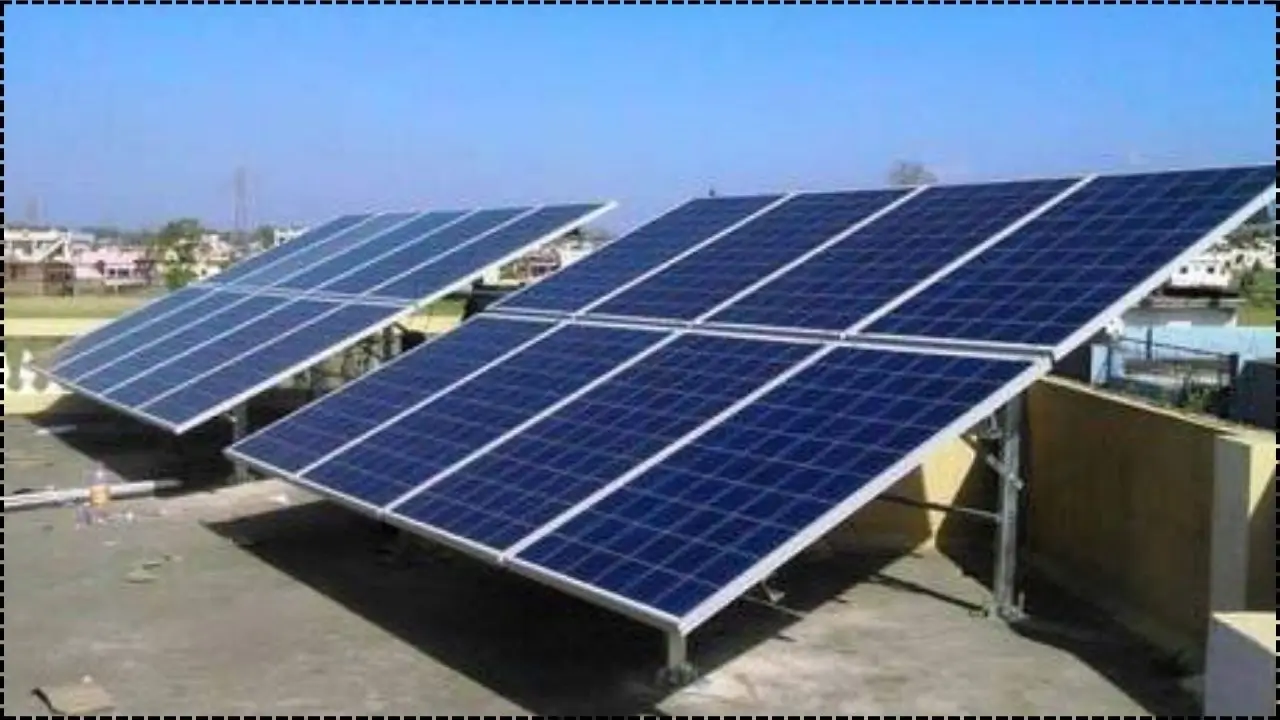
Zero Bill Blueprint: A Step-by-Step Guide to Calculating Your Savings with a 3kW Rooftop System
Another expert highlighted the role of electrification, stating that increased adoption of electric vehicles and digital infrastructure will continue to drive demand.
Coal Supply and Grid Stability: Key Challenges
Despite growth prospects, challenges remain.
Coal Dependency
India still relies heavily on coal for power generation. Ensuring adequate coal supply during peak demand periods is critical. Supply disruptions or logistical constraints could affect generation capacity, especially during summer.
Grid Management
The increasing share of renewable energy presents challenges related to grid stability. Solar and wind power are intermittent, requiring advanced storage and balancing solutions. Experts emphasise the need for investment in grid infrastructure to manage these complexities.
Global Context: India vs Other Markets
India’s power demand growth stands out globally. While many developed economies are witnessing slower demand growth, India continues to expand rapidly due to population growth and industrialisation.
Analysts say this positions India as one of the most attractive power markets worldwide, particularly for long-term investors.
Financial Outlook and Valuation Trends
Jefferies’ bullish stance reflects confidence in earnings growth across the sector.
- Power producers are expected to benefit from higher utilisation rates.
- Renewable firms could see margin expansion due to policy incentives.
- Long-term contracts provide revenue visibility.
However, analysts warn that execution risks and capital-intensive projects could impact profitability if not managed efficiently.
Policy Environment and Government Initiatives
Government initiatives remain central to the sector’s growth. Key measures include:
- Renewable energy targets.
- Domestic manufacturing incentives.
- Grid modernisation programmes.
These policies aim to ensure energy security while supporting the transition to cleaner energy sources.
Related Links
Floatovoltaics 2026: Why Floating Solar is the Answer to India’s Land Scarcity and Water Evaporation
The “Crop-Shield” Effect: How Agrivoltaics is Saving Water for Farmers While Generating Power
Risks That Could Affect the Outlook
While the outlook is positive, several risks remain:
- Lower-than-expected demand growth
- Policy changes or delays
- Project execution challenges
- Commodity price volatility
Investors are advised to monitor these factors closely.
The Summer Power Boom marks a significant phase for India’s energy sector, driven by rising temperatures, economic expansion, and policy support.
Jefferies’ ‘Buy’ ratings on JSW Energy, NTPC, and key solar firms highlight confidence in both short-term demand and long-term structural growth. While risks persist, the sector appears well-positioned to play a critical role in India’s economic and energy future.